Introduction
When it comes to finishing your woodworking projects, the choice between oil-based and water-based finishes can significantly impact the appearance and durability of your furniture. Each type of finish has its own set of characteristics, advantages, and disadvantages. Understanding these differences can help you make an informed decision and avoid common pitfalls.
What Are Oil-Based Finishes?
Oil-based finishes are made from natural oils, such as linseed or tung oil, combined with varnishes or other resins. This type of finish penetrates the wood, providing a rich, warm glow that enhances the natural beauty of the grain.
Advantages of Oil-Based Finishes
- Durability: Oil-based finishes are known for their toughness and resistance to scratches and wear.
- Rich Color: They deepen the color of the wood, creating a warm and inviting appearance.
- Excellent Penetration: These finishes soak into the wood fibers, providing a strong bond and protection.
Disadvantages of Oil-Based Finishes
- Long Drying Time: Oil-based finishes can take several hours, or even days, to dry completely, which can prolong your project timeline.
- Strong Odor: The solvents used in oil-based finishes emit strong fumes, requiring good ventilation during application.
- Cleanup Difficulty: Cleaning brushes and tools requires solvents like mineral spirits, which can be messy.
What Are Water-Based Finishes?
Water-based finishes consist of resins that are suspended in water. These finishes are generally quicker to apply and dry faster than their oil-based counterparts. They are becoming increasingly popular in woodworking due to their ease of use and environmental benefits.
Advantages of Water-Based Finishes
- Quick Drying: Water-based finishes dry quickly, often within an hour, allowing for multiple coats in a single day.
- Low Odor: They produce minimal fumes, making them safer for indoor use.
- Easy Cleanup: Cleaning up after using water-based finishes is straightforward, requiring just soap and water.
Disadvantages of Water-Based Finishes
- Less Depth of Color: Water-based finishes can sometimes result in a less rich appearance compared to oil-based options.
- Lower Durability: While many water-based finishes are durable, they may not stand up as well to heavy wear compared to oil-based finishes.
- Raising the Grain: Water-based finishes can raise the grain of the wood, requiring additional sanding.
Common Mistakes to Avoid
Choosing the right finish is just the first step in ensuring a beautiful and durable outcome. Here are some common mistakes to avoid when working with oil-based and water-based finishes, along with troubleshooting tips.
1. Not Preparing the Surface Properly
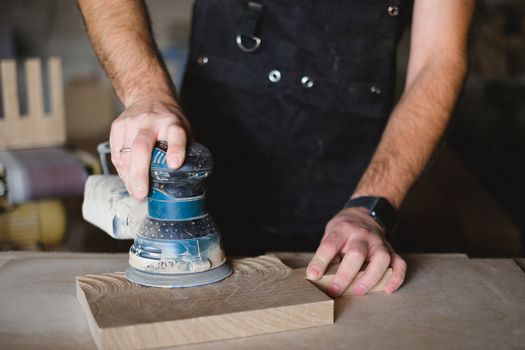
Failing to sand and clean the wood surface can lead to poor adhesion and an uneven finish. Always ensure your surface is smooth and free of dust.
- Tip: Sand the wood with progressively finer grits, ending with at least 220-grit for a smooth finish.
- Fix: If you notice a rough texture after applying the finish, sand lightly and reapply.
2. Applying Too Thick a Coat
Applying an overly thick coat of finish can lead to drips, uneven drying, and a tacky surface.
- Tip: Apply thin, even coats, allowing each to dry thoroughly before applying the next.
- Fix: If drips occur, allow the finish to dry and then sand them down before applying another coat.
3. Mixing Finishes
Mixing oil-based and water-based finishes can lead to poor adhesion and an unsatisfactory final appearance.
- Tip: Stick to one type of finish per project and avoid mixing them.
- Fix: If you accidentally mix them, strip the finish and start again with a uniform product.
4. Ignoring Temperature and Humidity
Environmental factors can significantly affect the application and drying of finishes. High humidity can slow drying times, while low temperatures can affect the flow of the finish.
- Tip: Check the manufacturer's recommendations regarding temperature and humidity for application.
- Fix: If you encounter issues, adjust your workspace conditions or wait for more favorable weather.
Choosing the Right Finish for Your Project
When deciding between oil-based and water-based finishes, consider the specific requirements of your project. For high-traffic furniture, oil-based finishes may provide the durability you need. Conversely, if you're working in a confined space or need a quick drying time, water-based finishes might be the best choice.
For those looking for detailed plans and guidance on woodworking projects, resources like Ted Woodworking can offer invaluable assistance.
Conclusion
Choosing the right finish for your woodworking project is crucial for both the appearance and longevity of your furniture. By understanding the differences between oil-based and water-based finishes, and by avoiding common mistakes, you can achieve stunning results that highlight your craftsmanship.
FAQ
1. Can I use oil-based and water-based finishes together?
No, it is generally not advisable to mix oil-based and water-based finishes. They have different properties and may not adhere well to each other.
2. How can I tell if a finish is dry?
Check the manufacturer's instructions for drying times. A good test is to lightly touch the surface; if it feels tacky, it needs more time to dry.
3. What is the best finish for outdoor furniture?
For outdoor furniture, oil-based finishes are often recommended due to their durability and weather resistance, but specific outdoor water-based finishes are also available.
📚 Related Articles
🔨 Want 16,000+ Woodworking Plans?
Get instant access to step-by-step plans with blueprints and cut lists.
Get Instant Access →