Introduction
Finishing is one of the most crucial steps in furniture building, transforming raw wood into stunning pieces that can last a lifetime. However, it is also a stage where many woodworkers encounter pitfalls that can mar their hard work. In this article, we will explore common wood finishing mistakes and how to prevent them, along with recommendations for specific tools that can help ensure a flawless finish.
Common Wood Finishing Mistakes
- Skipping Surface Preparation: One of the biggest mistakes is neglecting to properly prepare the wood surface. This can lead to uneven finishes and poor adhesion.
- Using the Wrong Finish: Choosing the wrong type of finish for the project can result in issues such as peeling, bubbling, or an unsatisfactory appearance.
- Poor Application Techniques: Applying finishes too thickly or inconsistently can cause drips and streaks, ruining the overall look.
- Not Allowing Proper Drying Time: Rushing the drying process is a common error that can lead to smudging and imperfections.
- Ignoring Environmental Conditions: Temperature and humidity can greatly affect how finishes cure; ignoring these factors can lead to unwanted results.
Essential Tools for Wood Finishing
To avoid these common mistakes, investing in the right tools can make a significant difference. Below are some recommended tools you should consider adding to your woodworking arsenal:
1. Random Orbital Sander
One of the most versatile tools for surface preparation is the random orbital sander. This tool sands the surface evenly without leaving swirl marks.
- Pros:
- Fast and efficient for removing material.
- Produces a smooth surface ready for finishing.
- Can be used on various materials including wood and plastic.
- Cons:
- Can be expensive depending on the model.
- Requires proper dust collection to avoid inhaling particles.
2. High-Quality Brushes
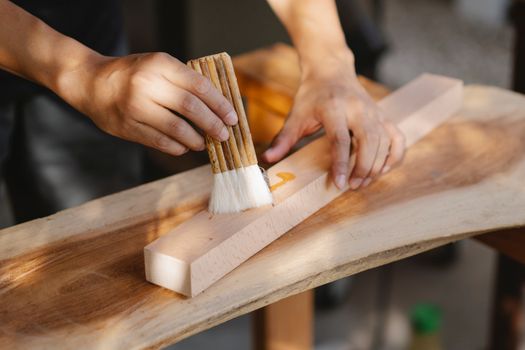
Using the right brush for your finish type is essential. High-quality brushes can help apply finishes smoothly and evenly.
- Pros:
- Provide excellent control and precision.
- Reduce the risk of bubbles and streaks.
- Available in various sizes for different projects.
- Cons:
- Higher quality brushes can be expensive.
- Some brushes require proper cleaning and maintenance.
3. Spray Gun
If you want a professional finish, a spray gun can be an excellent investment. This tool allows for an even application of finishes.
- Pros:
- Creates a smooth, even coat without brush marks.
- Speeds up the application process significantly.
- Suitable for large surfaces and intricate details.
- Cons:
- Requires practice to master.
- Can be messy and requires proper ventilation.
4. Finishing Rags
Using the right rags can also make a difference in your finishing results. Lint-free rags are essential for applying and wiping off finishes.
- Pros:
- Prevents lint from sticking to the finish.
- Provides even application when wiping.
- Cons:
- Some materials may not absorb finishes evenly.
- Need to be disposed of properly to avoid fire hazards.
5. Finish-Specific Applicators
Depending on the finish you choose, specific applicators such as foam brushes or microfiber pads can be useful.
- Pros:
- Designed to work with specific finishes for optimal results.
- Can be cost-effective for smaller projects.
- Cons:
- May not be as durable as traditional brushes.
- Some applicators can leave marks if not used correctly.
Planning for Success with Ted Woodworking
For those looking to expand their woodworking skills, Ted Woodworking offers a plethora of plans that can guide you through the furniture building process, including the finishing stage. With detailed instructions and illustrations, you can avoid common mistakes and achieve professional results.
Final Tips for a Flawless Finish
To wrap up, here are some additional tips to keep in mind:
- Always test your finish on a scrap piece of wood before applying it to your project.
- Be patient and allow for proper drying times between coats.
- Maintain a clean working environment to minimize dust and debris.
- Pay attention to the temperature and humidity in your workspace; ideally, work in conditions that are not too hot or humid.
Conclusion
By investing in the right tools and being mindful of common wood finishing mistakes, you can ensure a beautiful finish on your furniture projects. Remember, finishing is not just about aesthetics; it also protects your work and enhances its longevity. Happy woodworking!
FAQ
- What is the best type of finish for furniture?
The best type of finish depends on the intended use of the furniture, but polyurethane and lacquer are popular choices for durability.
- How do I know when to apply a second coat of finish?
Typically, you should wait until the first coat is completely dry and feels smooth to the touch before applying a second coat.
- Can I use a roller to apply wood finish?
While it is possible, it is usually not recommended as rollers can create bubbles and may not provide an even coat.
📚 Related Articles
🔨 Want 16,000+ Woodworking Plans?
Get instant access to step-by-step plans with blueprints and cut lists.
Get Instant Access →