Introduction
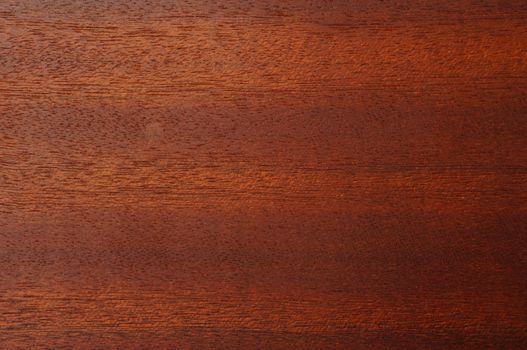
Teak furniture is renowned for its durability and beautiful grain, making it a popular choice for both indoor and outdoor use. Applying a natural oil finish not only enhances the aesthetic appeal of teak but also provides protection against moisture and UV damage. This article delves into advanced techniques for achieving a professional finish on your teak furniture, ensuring precision in joinery and meticulous application of the finish.
Understanding Teak and Its Characteristics
Teak (Tectona grandis) is a tropical hardwood, prized for its resistance to water, decay, and pests. Its high oil content allows it to withstand varying weather conditions, making it an ideal choice for outdoor furniture. However, without proper finishing, teak can lose its luster over time and develop a silvery patina. A natural oil finish will not only restore its original color but also enrich the grain.
Preparing Your Teak Furniture for Finishing
Before applying a natural oil finish, it is crucial to prepare your teak furniture adequately. Proper preparation is the key to achieving a flawless finish.
Step 1: Cleaning the Surface
- Remove Dust and Debris: Use a soft brush or cloth to wipe down the surface, removing any dust or debris that could interfere with the finish.
- Wash with Soap and Water: If the furniture is particularly dirty, wash it with a mild soap and water solution. Allow it to dry completely.
Step 2: Sanding the Surface
Sanding is a critical step that ensures a smooth surface for the oil to adhere to.
- Choose the Right Grit: Start with a medium grit sandpaper (around 120-grit) and progress to a finer grit (220-grit) for a silky finish.
- Sanding Technique: Always sand in the direction of the grain to avoid scratches. Ensure that all surfaces, including edges and corners, are sanded evenly.
Choosing the Right Natural Oil
When it comes to natural oil finishes, there are several options available. Here are a few popular choices:
- Tung Oil: Provides a durable, water-resistant finish that enhances the natural color of teak.
- Linseed Oil: Offers a warm finish but can take longer to dry and may require multiple applications.
- Danish Oil: A blend of oils and varnish that penetrates deeply, providing excellent protection and a beautiful luster.
For this guide, we will focus on using Tung oil due to its superior moisture resistance and fast-drying properties.
Applying the Natural Oil Finish
With your teak furniture cleaned, sanded, and your oil of choice selected, it's time to apply the finish.
Step 1: Initial Application
- Use a Clean Cloth or Brush: Apply the oil using a clean, lint-free cloth or a high-quality brush designed for oil finishes.
- Apply Generously: Pour a generous amount of oil onto the surface and spread it evenly, working in the direction of the grain.
- Let It Soak: Allow the oil to penetrate for about 15-30 minutes, then wipe off any excess oil with a clean cloth to avoid a sticky finish.
Step 2: Subsequent Coats
For best results, multiple coats of oil are recommended:
- Repeat the Process: After the first coat dries (usually 24 hours), lightly sand the surface with 400-grit sandpaper to promote adhesion of the next coat.
- Apply Additional Coats: Repeat the initial application process for 2-3 more coats, allowing adequate drying time between each.
Final Touches for a Professional Finish
Once you are satisfied with the number of coats applied, there are a few final touches you can add to ensure a professional look:
- Final Sanding: After the last coat has dried, lightly sand the surface with 600-grit sandpaper for an ultra-smooth finish.
- Buffing: Use a soft cloth to buff the surface, enhancing the sheen and bringing out the grain.
For those looking to explore more advanced woodworking techniques, consider checking out Ted Woodworking for comprehensive plans and resources.
Maintaining Your Teak Furniture
To keep your teak furniture looking its best, regular maintenance is essential:
- Clean Regularly: Wipe down with a damp cloth to remove dust and grime.
- Reapply Oil: Depending on exposure to elements, reapply the oil every 6-12 months to maintain the finish.
- Avoid Harsh Chemicals: Use mild soaps for cleaning and avoid abrasive cleaners that can damage the finish.
Conclusion
Applying a natural oil finish to teak furniture is a rewarding process that enhances its beauty and longevity. By following these advanced techniques, you can achieve a professional finish that showcases your craftsmanship. Remember, preparation is key, and patience during the application process will yield stunning results.
FAQ
- How often should I apply a natural oil finish to my teak furniture? It is recommended to reapply every 6-12 months, depending on exposure to the elements.
- Can I use a different type of oil for finishing? Yes, options like linseed oil and Danish oil can also be used, but they may have different drying times and finish qualities.
- Is it necessary to sand between coats? Yes, light sanding between coats helps improve adhesion and results in a smoother finish.
📚 Related Articles
🔨 Want 16,000+ Woodworking Plans?
Get instant access to step-by-step plans with blueprints and cut lists.
Get Instant Access →