Understanding the Basics: Stain vs. Paint
When embarking on a woodworking project, one of the most critical decisions you will make is whether to stain or paint your wood furniture. Both options offer unique benefits and aesthetics, but choosing the right one can impact both the final look and the cost of your project. In this article, we will explore the pros and cons of staining and painting wood furniture, helping you make an informed decision that aligns with your budget and style.
The Benefits of Staining Wood
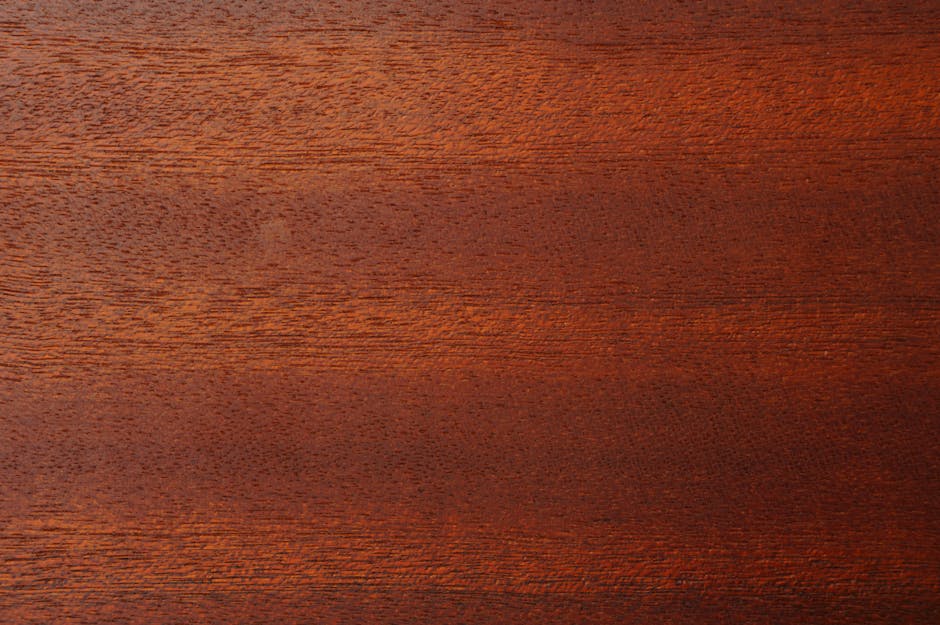
Staining wood enhances its natural beauty, showcasing the grain and texture while providing a protective finish. Here are some advantages of using stain:
- Natural Look: Stains allow the wood's grain to show through, providing a more authentic appearance.
- Variety of Finishes: Stains come in various colors and opacity levels, allowing you to achieve the desired look.
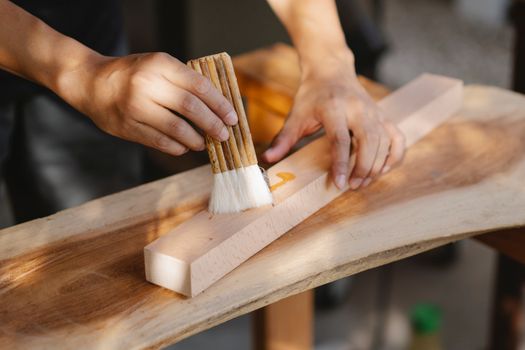
- Easy Application: Stains are relatively easy to apply with a brush or cloth, making them ideal for beginners.
- Cost-Effective: Stains are often less expensive than paints, especially if you are working on multiple projects.
When to Choose Staining
Staining is a great choice when:
- You want to enhance the natural beauty of the wood.
- Your project involves high-quality wood with beautiful grain patterns.
- You are working on furniture that will be used indoors and is not exposed to harsh conditions.
- You prefer a more traditional or rustic look.
The Benefits of Painting Wood
Painting wood furniture provides a solid color finish that can completely change the appearance of a piece. Here are some advantages of using paint:
- Color Variety: Paint comes in an endless array of colors, allowing for bold and creative designs.
- Durability: High-quality paints can offer a more durable finish, especially for furniture that will see heavy use.
- Hiding Imperfections: Paint can effectively conceal imperfections in the wood, such as knots or discoloration.
- Trendy Styles: Painted furniture is often trendy, appealing to modern aesthetics.
When to Choose Painting
Painting is ideal when:
- You want a specific color that stains cannot provide.
- Your project involves less expensive or lower-quality wood.
- You are aiming for a contemporary or bold design.
- You need a durable surface for high-traffic furniture, such as tables or chairs.
Cost-Saving Tips for Staining and Painting
Regardless of your choice between stain and paint, there are several budget-friendly tips to keep your woodworking project affordable:
- Use Affordable Materials: Opt for less expensive wood types that still provide a good finish. Pine, for example, is a budget-friendly option that takes stain and paint well.
- Shop Sales: Look for sales or discounts on stains and paints at your local home improvement store.
- DIY Techniques: Consider using DIY techniques for creating your finishes. For example, you can mix your own colors or use homemade stains made from natural materials.
- Plan Your Projects: Create a plan for multiple projects to buy materials in bulk and save on costs.
- Utilize Resources: Websites like Ted Woodworking offer plans that can guide you through your projects, helping you avoid costly mistakes.
Conclusion
Choosing between stain and paint for your wood furniture projects ultimately depends on your aesthetic preferences, the type of wood you are using, and your budget. Staining highlights the natural beauty of the wood, while painting offers versatility and a durable finish. By considering your options carefully and following the cost-saving tips provided, you can create beautiful furniture without breaking the bank.
FAQ
1. Can I stain over paint or vice versa?
Generally, it is not recommended to stain over paint as the stain will not penetrate properly. If you want to change a stained piece to painted, you will need to sand off the stain first.
2. How do I choose the right color for my project?
Consider the existing decor of the room where the furniture will be placed. Look for paint or stain samples and test them on a small area of the wood to see how they look in different lighting.
3. How long does it take for stain or paint to dry?
Drying times vary by product, but generally, stain can take anywhere from 1 to 4 hours to dry, while paint may take 1 to 8 hours. Always check the manufacturer's instructions for specific drying times.
📚 Related Articles
🔨 Want 16,000+ Woodworking Plans?
Get instant access to step-by-step plans with blueprints and cut lists.
Get Instant Access →