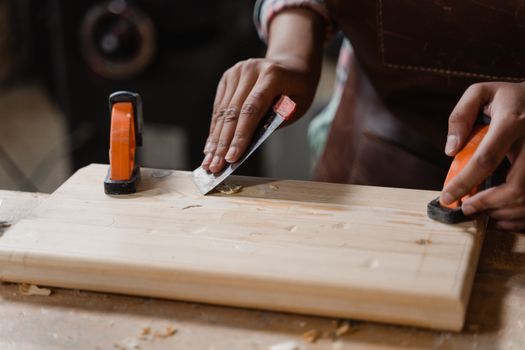
Understanding Pine as a Wood Choice
Pine is a popular choice among woodworkers, especially beginners, due to its affordability and ease of use. However, it is essential to understand that pine has its unique characteristics that can influence the type of finish you choose. In this article, we will explore the best finishes for furniture built with pine, offering you a simple, step-by-step guide to achieving a professional look.
Why Finish Pine Furniture?
Finishing your pine furniture serves multiple purposes:
- Protection: A good finish protects the wood from moisture, stains, and scratches.
- Aesthetics: Finishing enhances the natural beauty of the wood grain.
- Longevity: Properly finished furniture can last for many years.
Choosing the Right Finish for Pine Furniture
When it comes to finishing pine, you have several options. Here are some of the most popular finishes:
1. Oil Finishes
Oil finishes, such as linseed oil and tung oil, penetrate the wood and enhance its natural beauty.
- Advantages:
- Easy to apply with basic tools.
- Provides a warm, natural look.
- Easy to repair and maintain.
- Disadvantages:
- May require multiple applications.
- Can take longer to dry.
2. Polyurethane
Polyurethane is a synthetic finish that forms a protective layer on the surface of the wood.
- Advantages:
- Highly durable and water-resistant.
- Available in various sheens (matte, satin, gloss).
- Protects against scratches and stains.
- Disadvantages:
- Requires careful application to avoid bubbles.
- Can obscure the natural grain if not applied correctly.
3. Varnish
Varnish is another popular finish known for its durability and clarity.
- Advantages:
- Creates a hard, protective surface.
- Enhances the natural appearance of the wood.
- Good for both indoor and outdoor furniture.
- Disadvantages:
- Can yellow over time, especially in clear finishes.
- Longer drying time compared to oil finishes.
4. Shellac
Shellac is a natural finish made from the secretions of the lac beetle. It offers a warm, rich finish.
- Advantages:
- Fast-drying and easy to apply.
- Non-toxic and environmentally friendly.
- Enhances the grain of the wood beautifully.
- Disadvantages:
- Not as durable as polyurethane or varnish.
- Can be affected by heat and alcohol.
Step-by-Step Guide to Finishing Pine Furniture
Now that you understand the types of finishes available, let’s walk through a simple step-by-step process to finish your pine furniture.
Materials Needed
- Pine furniture piece
- Sandpaper (grit 120 and 220)
- Clean cloths
- Finish of choice (oil, polyurethane, varnish, or shellac)
- Brush or foam applicator
- Mineral spirits (if using oil or varnish)
- Protective gloves and mask
Step 1: Prepare the Surface
Start by sanding the surface of your pine furniture. Use 120-grit sandpaper to remove any rough spots, then switch to 220-grit for a smooth finish. Always sand in the direction of the wood grain to avoid scratching the surface.
Step 2: Clean the Surface
After sanding, use a clean cloth to wipe away any dust and debris. This step is crucial as it ensures a smooth finish.
Step 3: Apply the Finish
Choose your finish and apply it using a brush or foam applicator. If you are using oil, you may want to thin it slightly with mineral spirits for better penetration. Apply a thin, even coat, and make sure to follow the manufacturer’s instructions regarding drying times.
Step 4: Sand Between Coats
If you are applying multiple coats (recommended for most finishes), lightly sand between coats using 220-grit sandpaper. This step helps to ensure good adhesion and a smooth final finish.
Step 5: Final Coat
After applying the recommended number of coats, allow the final coat to cure completely. This can take anywhere from a few days to a week, depending on the finish used.
Resources for Woodworking Plans
If you are looking for great woodworking plans that include detailed instructions, check out Ted Woodworking. They offer a wide variety of plans suitable for all skill levels, making it easier to create beautiful furniture pieces.
Final Thoughts
Choosing the right finish for your pine furniture can greatly enhance its appearance and longevity. With the right approach and materials, finishing your furniture can be a rewarding part of the woodworking process. Enjoy your journey in creating beautiful and functional pieces!
FAQ
1. Can I stain pine before applying a finish?
Yes, staining pine can enhance its natural beauty and add depth to the color. Make sure to let the stain dry completely before applying your finish.
2. How do I know when to reapply the finish?
Look for signs of wear, such as scratches, dull spots, or areas where water beads do not form. Regular maintenance can help prolong the life of your finish.
3. Is it necessary to use a sealer before applying polyurethane?
While not necessary, using a sealer can help to prevent the wood from absorbing too much finish and can enhance the final appearance. It is particularly useful for soft woods like pine.
📚 Related Articles
🔨 Want 16,000+ Woodworking Plans?
Get instant access to step-by-step plans with blueprints and cut lists.
Get Instant Access →