Introduction
When it comes to furnishing your home, choosing the right wood finishing technique is crucial, especially for pieces located in high-traffic areas. Whether it’s a dining table, chairs, or a coffee table, these surfaces endure a lot of wear and tear. In this guide, we'll explore the best wood finishing techniques that are not only durable but also easy to apply, making them perfect for beginners.
Understanding High-Traffic Areas
High-traffic areas are spaces in your home that see frequent use. This includes:
- Living rooms
- Dining areas
- Entryways
- Kitchens
- Hallways
Because these areas are used often, the furniture placed there requires durable finishes that can withstand scratches, spills, and general wear.
Choosing the Right Finish
Several wood finishing options work well for high-traffic areas. Here are some popular choices:
- Polyurethane: A synthetic resin that provides a tough, waterproof finish.
- Varnish: Similar to polyurethane but often gives a warmer, amber tone.
- Shellac: A natural finish that is easy to apply but less durable than synthetic options.
- Lacquer: Dries quickly and provides a hard finish, ideal for pieces needing a glossy look.
- Oil finishes: Like tung oil or Danish oil, they penetrate the wood but may require more frequent reapplication.
Among these, polyurethane is often the best choice for high-traffic areas due to its durability and ease of maintenance.
Step-by-Step Guide to Applying Polyurethane
Here is a simple step-by-step guide for applying polyurethane to your wooden furniture:
Materials Needed
- Polyurethane (water-based or oil-based)
- Sandpaper (220-grit and 320-grit)
- Clean cloth or tack cloth
- Paintbrush or foam brush
- Drop cloth or newspaper
- Protective gear (gloves, mask)
Step 1: Prepare the Workspace
Find a well-ventilated area to work in, and lay down a drop cloth to protect your floor from drips and spills. Make sure to wear protective gear.
Step 2: Sand the Surface
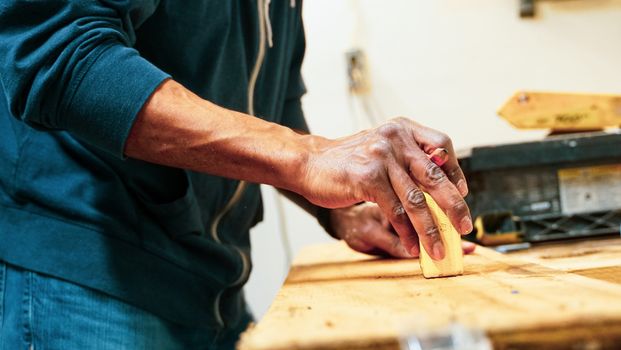
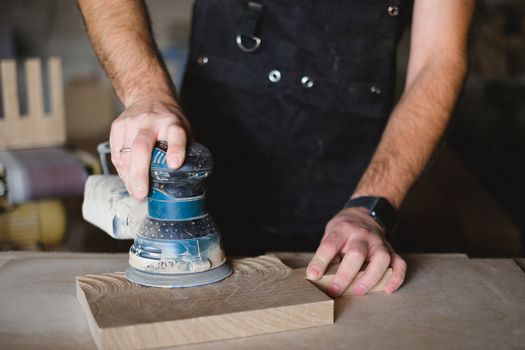
Using 220-grit sandpaper, gently sand the surface of your wood furniture. This helps to open the grain and allows the finish to adhere better. After sanding, wipe the surface with a clean cloth or tack cloth to remove dust.
Step 3: Apply the First Coat
Using a clean brush, apply a thin, even coat of polyurethane. Work in the direction of the wood grain and avoid over-brushing, which can create bubbles. Allow the coat to dry according to the manufacturer’s instructions (usually 2-4 hours).
Step 4: Sand Between Coats
Once the first coat is dry, lightly sand the surface again with 320-grit sandpaper. This step removes any imperfections and helps the next coat adhere better. Wipe away the dust with a clean cloth.
Step 5: Apply Additional Coats
Repeat the application and sanding process for at least two more coats. For high-traffic areas, three to four coats are recommended for maximum durability.
Step 6: Final Cure Time
After applying the final coat, allow the finish to cure completely. This can take several days to weeks, depending on the type of polyurethane used. Avoid heavy use during this period.
Alternative Finishing Techniques
If you're interested in other finishing techniques, here are a few alternatives:
- Varnish: Follow the same steps as for polyurethane. Varnish gives a warmer finish and is great for rustic styles.
- Lacquer: This method requires a spray application. Make sure to use a respirator and work in a well-ventilated area.
- Oil Finishes: If you choose oil finishes, apply them generously and wipe off the excess after a few minutes. They require more maintenance but offer a natural look.
For detailed plans and more techniques, check out resources like Ted Woodworking, which offers a wealth of woodworking plans and tips.
Conclusion
Finishing wood furniture for high-traffic areas doesn't have to be complicated. By following these simple steps and choosing the right materials, you can create beautiful, durable pieces that withstand daily use. Remember, preparation and patience are key to achieving a professional-looking finish.
FAQ
1. How often should I reapply finish to my high-traffic furniture?
It depends on the type of finish used. Generally, oil finishes need reapplication every 6-12 months, while polyurethane can last several years.
2. Can I use a water-based finish in high-traffic areas?
Yes, water-based finishes like polyurethane are excellent choices for high-traffic areas due to their durability and quick drying times.
3. What tools do I need for applying a wood finish?
You will need sandpaper, a clean cloth, a brush or foam applicator, and protective gear like gloves and a mask.
📚 Related Articles
🔨 Want 16,000+ Woodworking Plans?
Get instant access to step-by-step plans with blueprints and cut lists.
Get Instant Access →