Introduction to Wood Joinery
Wood joinery is the backbone of quality furniture making. It involves techniques that connect two or more pieces of wood in a way that ensures strength, stability, and an aesthetically pleasing finish. Whether you are a seasoned woodworker or a beginner, having the right tools can make a significant difference in the precision and quality of your joinery. In this article, we will explore the essential tools you need for basic wood joinery, focusing on advanced techniques that yield professional results.
Essential Tools for Wood Joinery
1. Measuring and Marking Tools
Precision is key in wood joinery. Accurate measurements and markings ensure that your joints fit together perfectly. Here are some essential measuring and marking tools:
- Tape Measure: A reliable tape measure is indispensable for measuring lengths and widths.
- Combination Square: This tool helps in marking right angles and checking the squareness of your joints.
- Marking Gauge: For precise lines, a marking gauge is perfect for scribing a line parallel to an edge.
- Pencil or Marking Knife: A fine pencil or a marking knife is best for making precise marks that can be easily followed.
2. Cutting Tools
After marking your wood, you will need to cut it accurately to prepare for joinery. Here are the essential cutting tools:
- Table Saw: A table saw is crucial for making straight cuts and can also be used to make grooves and dados.
- Miter Saw: Ideal for making crosscuts and angled cuts, ensuring a clean and precise joint.
- Hand Saw: For those who prefer traditional methods, a hand saw can provide accuracy and control.
- Jigsaw: A jigsaw is useful for intricate cuts and curves, making it versatile for various joinery techniques.
3. Joinery Tools
Now that you have your wood cut to size, you need specialized tools to create the joints. Here are the must-have joinery tools:
- Chisels: A set of sharp chisels is essential for cleaning up joints and creating precise mortises.
- Router: A router is a versatile tool used for shaping edges, hollowing out areas, and creating joints like dovetails and dados.
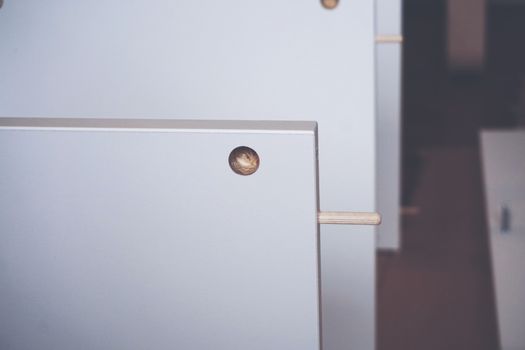
- Doweling Jigs: These jigs simplify the process of creating dowel joints, ensuring accurate placement and alignment.
- Biscuit Joiner: This tool is perfect for making biscuit joints, which provide strong and accurate alignment for edge gluing.
- Pocket Hole Jig: This tool allows for hidden joints, making it easy to join boards at angles without visible fasteners.
4. Fastening Tools
Joining wood often requires fastening methods, and having the right tools for this purpose is crucial. Here is what you need:
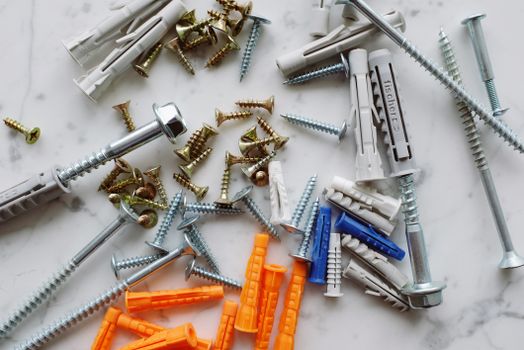
- Screws and Screwdriver: A good assortment of screws and a quality screwdriver or drill are essential for securing joints.
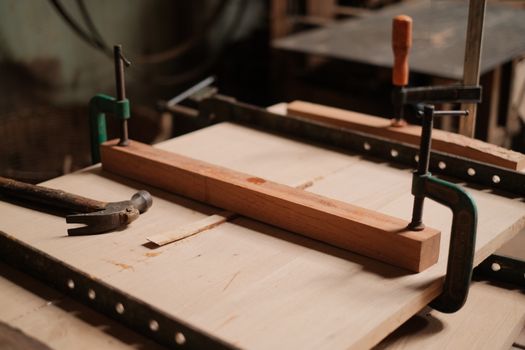
- Clamps: Various clamps (bar, pipe, or corner clamps) are necessary for holding pieces together while the glue sets or during assembly.
- Wood Glue: High-quality wood glue is critical for strong joints. Consider PVA glue for most applications.
- Nail Gun: While not essential for all woodworking projects, a nail gun can speed up the assembly process significantly.
5. Finishing Tools
After your joinery is complete, achieving a professional finish is the final step. Here are some tools you will need:
- Sanding Blocks and Power Sanders: Sanding is essential for smooth finishes. A combination of hand sanding and power sanding will yield the best results.
- Finishing Brushes and Rags: For applying stains, varnishes, or paints, quality brushes and rags can make a big difference in the final appearance.
- Spray Booth or Tent: If you are working with finishes that emit fumes, a spray booth or tent provides a controlled environment.
Advanced Techniques in Joinery
With the right tools, you can explore advanced joinery techniques that enhance the structural integrity and aesthetic appeal of your projects. Techniques such as dovetail joints, mortise and tenon joints, and box joints require precision but yield impressive results. Resources like Ted Woodworking provide detailed plans and tutorials on these advanced techniques, helping you elevate your woodworking skills.
Conclusion
Investing in the right tools for wood joinery is crucial for any woodworker aiming for precision and a professional finish. From measuring tools to advanced joinery equipment, each tool plays a vital role in creating beautiful and sturdy furniture. As you build your collection, remember that practice and experimentation will lead to improved skills and stunning results.
FAQ
1. What is the best wood glue for joinery?
The best wood glue for most woodworking projects is PVA glue, which offers strong adhesion and is easy to clean up. For outdoor projects, consider using a waterproof polyurethane glue.
2. How can I ensure my joints are square?
To ensure your joints are square, use a combination square to check the angles before fastening. Additionally, using clamps while assembling can help maintain the squareness of your joints.
3. Can I create strong joints without advanced tools?
Yes, many strong joints can be created using basic tools. Techniques like doweling and pocket holes can be executed with minimal equipment, making them accessible for beginner woodworkers.
📚 Related Articles
🔨 Want 16,000+ Woodworking Plans?
Get instant access to step-by-step plans with blueprints and cut lists.
Get Instant Access →