Introduction
Joinery is the backbone of woodworking, essential for creating sturdy and visually appealing furniture. Whether you are a novice or an experienced woodworker, mastering key joinery techniques can significantly enhance your projects while keeping costs down. In this article, we will explore the essential joinery techniques every woodworker should know, focusing on budget-friendly tips and affordable materials.
The Importance of Joinery
Joinery refers to the methods used to connect pieces of wood together. Good joinery not only affects the strength and durability of your furniture but also influences its aesthetic appeal. By learning basic joinery techniques, you can construct high-quality furniture without breaking the bank.
Essential Joinery Techniques
Here are some of the most essential joinery techniques that every woodworker should master:
1. Butt Joint
The butt joint is one of the simplest and most commonly used joints in woodworking. It involves joining two pieces of wood end-to-end or edge-to-edge without any additional shaping.
- Cost-saving tip: Use wood glue and screws to reinforce the joint. This is a low-cost method that provides decent strength.
2. Miter Joint
The miter joint is created by cutting two pieces of wood at an angle, usually 45 degrees, and joining them to form a corner. This joint is often used in picture frames and cabinetry.
- Cost-saving tip: Use a miter saw or a hand saw to make precise cuts. Inexpensive clamps can help hold the joint while the glue dries.
3. Dado Joint
A dado joint is formed by cutting a groove into one piece of wood, allowing another piece to fit snugly within it. This joint is commonly used for shelves and drawer bottoms.
- Cost-saving tip: Consider using a router or a table saw with a dado blade for making grooves. Both tools are versatile for various projects.
4. Rabbet Joint
The rabbet joint involves cutting a ledge along the edge of a piece of wood, allowing another piece to fit into it. This joint is often used for cabinet backs and drawers.
- Cost-saving tip: A hand saw can be used to create rabbet joints, saving you money on expensive tools.
5. Mortise and Tenon Joint
The mortise and tenon joint is a classic and strong joint that involves fitting a tenon (a protruding piece of wood) into a mortise (a hole cut into another piece). This joint is commonly used in furniture construction.
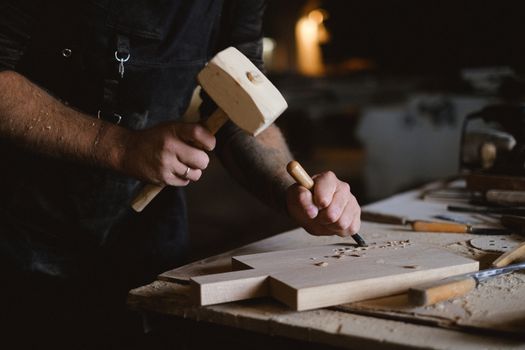
- Cost-saving tip: Use a chisel and mallet to create mortises, which is a cost-effective way to achieve this joint without the need for specialized tools.
6. Pocket Hole Joint
Pocket hole joinery uses angled holes to connect two pieces of wood. This technique is popular for its speed and strength, making it ideal for quick assembly.
- Cost-saving tip: Invest in a pocket hole jig, which is relatively inexpensive and can be used in many projects.
7. Biscuit Joint
The biscuit joint involves cutting slots into two pieces of wood and inserting a biscuit (a small, oval-shaped piece of wood) to align and strengthen the joint. This method is ideal for edge-to-edge joins.
- Cost-saving tip: If you don’t have a biscuit joiner, you can use wood glue and clamps to achieve similar results.
Choosing Affordable Materials
When building furniture on a budget, selecting the right materials is crucial. Here are some tips for choosing affordable yet durable materials:
- Opt for plywood instead of solid wood for large surfaces; it is often more cost-effective and stable.
- Consider reclaimed wood or pallets for unique projects; they can often be sourced for free or at a low cost.
- Look for sales or discounts at local lumberyards and home improvement stores to save on quality materials.
Utilizing Resources for Plans
For woodworkers looking for detailed plans, Ted Woodworking is a fantastic resource. It offers a wide variety of woodworking plans, including detailed joinery techniques that cater to all skill levels. Accessing these plans can save you time and help you avoid costly mistakes.
Conclusion
Mastering essential joinery techniques is vital for any woodworker aiming to create beautiful, sturdy furniture on a budget. By employing these techniques and choosing affordable materials, you can produce high-quality projects without overspending. Remember, the key to successful woodworking lies in practice and continuous learning. Happy woodworking!
FAQ
1. What is the strongest type of wood joint?
The mortise and tenon joint is often considered one of the strongest types of wood joints due to its interlocking design, providing excellent strength and stability.
2. Can I use wood glue alone for joints?
While wood glue can be strong on its own, combining it with mechanical fasteners like screws or dowels can increase the strength and durability of the joint.
3. Is it possible to learn joinery without formal training?
Absolutely! Many woodworkers learn joinery through online resources, books, and hands-on practice. Starting with basic techniques can help build your skills over time.
📚 Related Articles
🔨 Want 16,000+ Woodworking Plans?
Get instant access to step-by-step plans with blueprints and cut lists.
Get Instant Access →