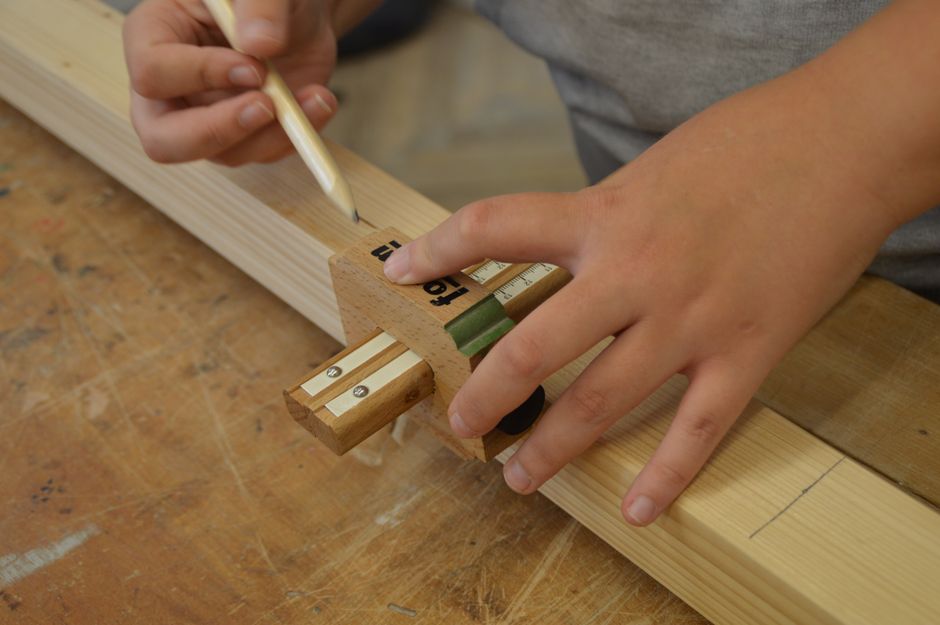
Introduction to Dowels in Furniture Joinery
Dowels are small cylindrical rods, typically made from wood, that are used to create strong and hidden joints in furniture construction. They have been a staple in woodworking for centuries, offering a reliable method for joining two pieces of wood without the need for visible fasteners. In this article, we will explore how to effectively use dowels for your furniture projects, the tools required, and some tips for achieving the best results.
Why Use Dowels?
There are several reasons to consider using dowels for your furniture joints:
- Strength: Dowels provide a mechanical connection that can handle stress better than some other joinery methods.
- Alignment: Dowels help align two pieces of wood precisely, ensuring a flush and clean joint.
- Hidden Fasteners: Unlike screws or nails, dowels are not visible once the joint is complete, giving a cleaner appearance to your furniture.
- Versatility: Dowels can be used in various types of joints, including edge joints, corner joints, and even for reinforcing miters.
Essential Tools for Dowel Joinery
To successfully use dowels in your furniture projects, you'll need a few key tools. Here’s a review of some of the best tools for creating dowel joints:
Dowel Jigs
A dowel jig is an essential tool that helps ensure accurate hole placement for dowels. Here are a couple of options:
- Porter-Cable 4216 Dowel Jigs
Pros: Highly adjustable, can accommodate different dowel sizes, and has a sturdy construction.
Cons: Slightly more expensive than basic jigs, and may require some practice to master. - Rockler Dowel Jigs
Pros: Affordable, easy to use for beginners, and lightweight for portability.
Cons: Limited to specific dowel sizes and may need adjustments for thicker materials.
Drill Press
A drill press provides precision when drilling dowel holes, ensuring that the holes are perfectly straight and aligned. Consider:
- WEN 4214 12-Inch Variable Speed Drill Press
Pros: Affordable, variable speed settings, and a laser guide for accurate drilling.
Cons: Not as heavy-duty as some higher-end models, and may require additional adjustments for perfect alignment.
Dowel Centers
Dowel centers help mark where the holes need to be drilled in the adjoining piece of wood. They are especially useful for ensuring accurate alignment:
- Woodpeckers Dowel Centers
Pros: Easy to use, provides precise marking, and durable.
Cons: Some users may find them a bit pricey for what they are.
Steps for Creating Dowel Joints
Now that you have the necessary tools, let’s walk through the steps for creating a strong dowel joint:
Step 1: Prepare Your Materials
Start by cutting your wood pieces to the desired dimensions. Make sure the edges are smooth and square for the best fit.
Step 2: Mark Dowel Locations
Using a dowel center, mark the locations where you want to place your dowels. Ensure that the marks are evenly spaced and aligned.
Step 3: Drill Holes
Set your dowel jig to the appropriate settings and drill holes at the marked locations. If you're using a drill press, ensure that the wood is securely clamped for accuracy.
Step 4: Insert Dowels
Apply wood glue to the dowels, then insert them into the drilled holes of one piece of wood. Make sure they fit snugly.
Step 5: Assemble the Joint
Align the second piece of wood with the dowels and press them together. Wipe away any excess glue, and clamp the joint until the glue dries.
Tips for Successful Dowel Joinery
- Practice Makes Perfect: If you're new to doweling, practice on scrap wood to get a feel for the tools and techniques.
- Use Quality Dowels: Invest in high-quality dowels to ensure strength and durability.
- Consider the Wood Grain: Align your dowels with the wood grain for better strength.
- Stay Clean: Keep your workspace clean to avoid any glue or dust contamination, which can affect your joint’s effectiveness.
Conclusion
Dowels are a fantastic choice for creating strong and hidden joints in furniture assembly. By investing in the right tools and following the proper techniques, you can elevate your woodworking projects to a professional level. For detailed furniture plans that incorporate dowel joinery, consider checking out Ted Woodworking, which offers a wealth of resources to help you succeed in your woodworking journey.
FAQ
1. Can dowel joints be used in heavy furniture pieces?
Yes, dowel joints can be very strong and are suitable for heavy furniture, provided they are sized appropriately and constructed correctly.
2. How do I ensure my dowel holes are perfectly aligned?
Using a dowel jig is the best way to ensure perfect alignment. Additionally, marking the locations carefully and using a drill press can improve accuracy.
3. What type of glue should I use with dowel joints?
Wood glue is recommended for dowel joints, as it provides a strong bond that complements the mechanical strength of the dowels.
📚 Related Articles
🔨 Want 16,000+ Woodworking Plans?
Get instant access to step-by-step plans with blueprints and cut lists.
Get Instant Access →