Introduction
Building a Mid-Century Modern chair can be a rewarding project for both novice and experienced woodworkers. This iconic style, characterized by clean lines and organic forms, can also be adapted to fit your budget. In this article, we will guide you through the process of creating a detailed plan for your chair, focusing on cost-saving tips and affordable materials.
Understanding the Mid-Century Modern Aesthetic
Before diving into the planning phase, it’s crucial to understand what defines Mid-Century Modern furniture. This style typically features:
- Simple, clean lines: Avoid ornate details and instead focus on minimalism.
- Functional forms: Each piece should serve a purpose while maintaining an aesthetic appeal.
- Natural materials: Wood is the primary material, often complemented with fabric or leather.
Step 1: Research and Inspiration
Start by gathering inspiration and references. Look at various Mid-Century Modern chairs online or in design books. Pay attention to proportions, angles, and the overall silhouette. Pinterest and Instagram can be great platforms for visual inspiration.
Step 2: Drafting Initial Sketches
Once you have some visual references, start sketching your chair. Focus on the following elements:
- Dimensions: Determine how tall, wide, and deep you want your chair to be. Consider who will use it and the space it will occupy.
- Design Features: Decide on the style of the legs, seat, and backrest. Will they be angled? Curved? Straight?
- Comfort: Think about ergonomics; a well-designed chair should be comfortable to sit in.
Step 3: Creating a Detailed Plan
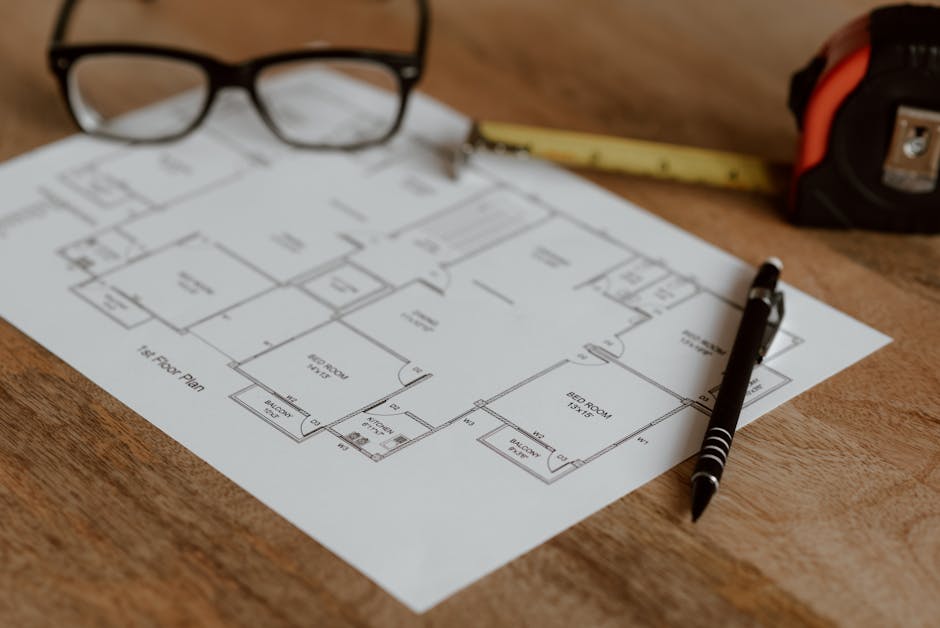
Transform your sketches into a detailed plan. This plan should include:
- Measurements: Provide exact dimensions for each component, including the legs, seat, and backrest.
- Material List: Identify the types of wood and other materials you’ll need. Opt for affordable options like pine or plywood instead of hardwoods like walnut or cherry.
- Joinery Methods: Decide on the joinery techniques you will use. Simple butt joints or pocket hole joins are cost-effective and easy to execute.
Materials and Cost-Saving Tips
When selecting materials, keep your budget in mind. Here are some economical choices:
- Plywood: Use high-quality plywood for the seat and backrest. It’s durable and can be finished nicely.
- Pine or Poplar: These woods are affordable and easily accessible at most lumber yards.
- Upholstery: For the seat, consider using budget-friendly fabric options like canvas or cotton blends.
- Repurposed Wood: Look for reclaimed wood or leftover pieces from other projects to save costs.
Step 4: Building the Chair
With your detailed plan in hand, you can start building your chair. Here’s a quick overview of the assembly process:
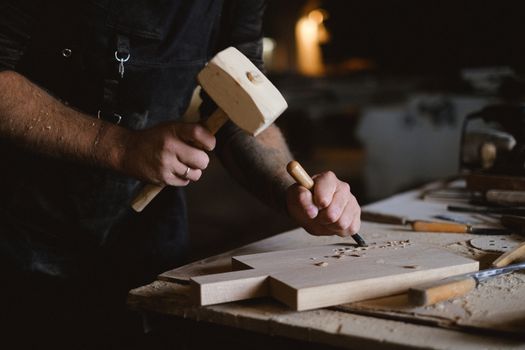
- Cutting the Pieces: Use your measurements to cut each component accurately. A miter saw and circular saw will be your best friends.
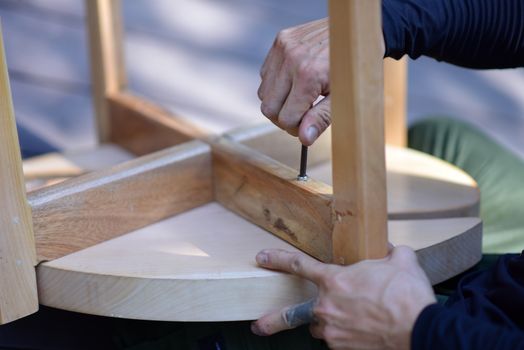
- Joining the Components: Follow your chosen joinery method to assemble the frame. Ensure everything is square and level.
- Attaching the Seat and Backrest: Securely attach these components using screws or brackets for added strength.
- Finishing Touches: Sand down any rough edges, and apply your chosen finish. A simple oil or varnish can enhance the wood’s natural beauty.
Using Resources for Plans
If you’re looking for additional support or detailed plans, resources like Ted Woodworking offer a variety of furniture plans that can be adjusted to fit your Mid-Century Modern chair concept. They provide comprehensive guides that include material lists, diagrams, and step-by-step instructions, making your building process smoother.
Conclusion
Building a Mid-Century Modern chair is not only an exciting woodworking project but also an affordable way to create a functional piece of art. By carefully planning and selecting budget-friendly materials, you can achieve a stunning result without breaking the bank. Happy woodworking!
FAQs
1. What type of wood is best for a budget Mid-Century Modern chair?
Pine and poplar are both excellent choices for a budget build, as they are affordable and easy to work with.
2. How can I achieve a professional finish on a budget?
Using simple finishes like oil or water-based polyurethane can provide a professional look without the high cost.
3. Are there any joinery techniques that are cost-effective?
Butt joints and pocket hole joins are both simple and cost-effective methods for assembling furniture.
📚 Related Articles
🔨 Want 16,000+ Woodworking Plans?
Get instant access to step-by-step plans with blueprints and cut lists.
Get Instant Access →