How to Make a DIY Workbench for Woodworking Projects
If you're serious about woodworking, having a sturdy workbench is essential. However, high-quality workbenches can be quite expensive. In this article, we'll show you how to build a DIY workbench that is both functional and budget-friendly. With some affordable materials and simple tools, you can create a workspace that meets your needs without breaking the bank.
Choosing Your Materials
When it comes to building a workbench, the materials you choose can significantly impact your budget. Here are some cost-effective options to consider:
- Plywood: Birch or maple plywood is strong and relatively inexpensive. Look for sheets that are at least 3/4 inch thick to ensure durability.
- 2x4 Lumber: Standard dimensional lumber is affordable and widely available. Use 2x4s for the frame and legs of your workbench.
- Hardware: Basic screws, bolts, and brackets can be purchased at a low cost. Consider reusing old hardware if you have any on hand.
- Workbench Top: For a work surface, you can laminate multiple layers of plywood or use a solid wood tabletop from a discount lumber retailer.
Designing Your Workbench
Before you start building, it’s important to have a plan. You can find a variety of free or affordable plans online, including resources like Ted Woodworking, which offers detailed blueprints for a range of workbench styles. Here’s a simple design to consider:
- Dimensions: A standard workbench should be around 60 inches long, 30 to 36 inches wide, and 30 to 36 inches tall, but feel free to adjust the size based on your space and projects.
- Sturdy Frame: Use 2x4s to create a rectangular frame for the workbench top, adding cross supports to increase stability.
- Legs and Feet: Construct the legs from 2x4s, making sure they are securely attached to the frame. Consider adding feet made from plywood to distribute weight more evenly.
Building the Workbench
Now that you have your materials and design, it's time to start building!
Step 1: Cut Your Lumber
Using a miter saw or circular saw, cut your plywood and lumber to the necessary dimensions based on your design. Measure twice to ensure accuracy.
Step 2: Assemble the Frame
Begin by assembling the rectangular frame for the workbench top. Use wood screws or bolts to secure the corners, ensuring everything is square.
Step 3: Attach the Legs
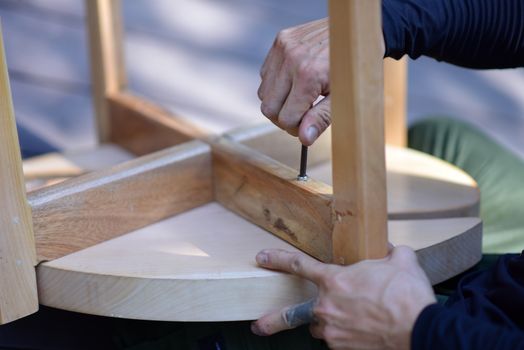
Position the legs at each corner of the frame and attach them using screws. Reinforce the legs with additional 2x4s if needed for added stability.
Step 4: Add Cross Supports
Install cross supports between the legs to prevent wobbling. These can be made from leftover 2x4s, ensuring your workbench is sturdy.
Step 5: Install the Workbench Top
Lay your plywood or solid wood top on the assembled frame. Secure it in place using screws, making sure it is flush with the edges of the frame.
Finishing Touches
Once your workbench is assembled, you may want to add some finishing touches:
- Surface Treatment: Sand the top surface to smooth out any rough spots. You can apply a wood finish or sealant for protection.
- Clamps and Vises: Consider installing a bench vise or adding clamp tracks to improve functionality.
- Storage Solutions: Adding shelves or drawers underneath the workbench can help keep your workspace organized.
Cost-Saving Tips
Here are some additional tips to keep your costs down while building your workbench:
- Shop Sales: Look for discounts at local hardware stores or lumber yards. Sales can significantly reduce your material costs.
- Use Reclaimed Materials: Consider using reclaimed wood or recycled materials for your project. Not only is it cost-effective, but it’s also eco-friendly.
- Borrow Tools: If you don’t have all the tools you need, consider borrowing from friends or family instead of purchasing.
Conclusion
Building a DIY workbench for your woodworking projects doesn’t have to be costly. With some affordable materials and a simple design, you can create a functional workspace that meets your needs. Remember to utilize resources like Ted Woodworking for plans and inspiration. Happy building!
FAQ
What is the best height for a woodworking workbench?
The best height for a woodworking workbench is typically between 30 to 36 inches, depending on your height and preferences. A good rule of thumb is to have the height at around the same level as your hip.
Can I use MDF for my workbench top?
Yes, MDF can be used for a workbench top as it is smooth and affordable. However, keep in mind that it may not be as durable as plywood or solid wood, especially when exposed to moisture.
How can I make my workbench more stable?
To make your workbench more stable, ensure that the legs are securely attached, use cross supports, and consider adding weight to the lower shelf if needed. Also, using thicker materials can improve stability.
📚 Related Articles
🔨 Want 16,000+ Woodworking Plans?
Get instant access to step-by-step plans with blueprints and cut lists.
Get Instant Access →