Understanding Composite Wood
Composite wood, often known as engineered wood, is made from a combination of materials, including wood fibers, adhesives, and other substances. It is designed to provide the benefits of natural wood while overcoming some of its limitations. This type of lumber is commonly used in various furniture applications, but knowing when to use it can greatly influence the outcome of your project.
Advantages of Composite Wood
Before diving into when to use composite wood, let's explore its advantages:
- Cost-Effectiveness: Composite wood is typically less expensive than solid wood, making it a budget-friendly option for many projects.
- Stability: Composite wood resists warping and splitting, which can be a common issue with solid wood, especially in climates with high humidity or temperature fluctuations.
- Uniformity: It features a consistent appearance and is free from knots and imperfections, providing a clean finish.
- Eco-Friendly Options: Many composite woods are made from recycled materials, contributing to environmental sustainability.
When to Use Composite Wood
Now that we understand the advantages, let’s discuss scenarios where composite wood shines in furniture building:
Budget Constraints
If you're working on a tight budget, composite wood is an excellent option. It allows you to create aesthetically pleasing furniture without breaking the bank. For instance, if you are building a coffee table or a bookshelf for a rental property, composite wood can be a smart choice.
Large-Scale Projects
For large-scale projects, such as building multiple pieces of furniture or entire sets, using composite wood can save time and resources. The uniformity and ease of handling make it ideal for mass production. Additionally, the reduced weight of composite materials can make transportation and assembly easier.
Moisture-Prone Areas
Composite wood is more resistant to moisture compared to solid wood. If you're building furniture for areas like kitchens or bathrooms, where exposure to humidity is common, composite wood can help ensure longevity and durability.
Complex Designs and Curved Shapes
When creating intricate designs or curved shapes, composite wood can be easier to work with. Its ability to be shaped and bent makes it suitable for contemporary furniture designs that require unique profiles.
Tools Required for Working with Composite Wood
To effectively work with composite wood, specific tools can enhance your building experience. Here are some recommended tools, along with their pros and cons:
Circular Saw
The circular saw is essential for making straight cuts in composite wood. It is versatile and can handle various thicknesses.
- Pros: Fast cutting, portable, and easy to use.
- Cons: Can cause splintering if not used with the right blade.
Jigsaw
The jigsaw is perfect for cutting curves and intricate designs in composite wood.
- Pros: Great for detailed work and versatile for different shapes.
- Cons: Slower than a circular saw and may require more precision.
Router
A router is invaluable for adding decorative edges or hollowing out areas in composite wood. It gives your furniture a professional finish.
- Pros: Versatile for many applications, including edging and joinery.
- Cons: Can be intimidating for beginners to use effectively.
Drill
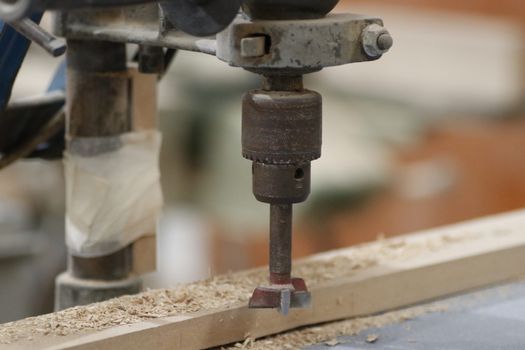
A drill is essential for creating holes for screws and dowels, allowing you to assemble your furniture securely.
- Pros: Easy to use and available in corded or cordless options.
- Cons: The wrong bit can damage composite wood, so choose carefully.
Quality Adhesive
Using the right adhesive is crucial when working with composite wood, especially for joints and laminations. Look for wood glues specifically designed for composite materials.
- Pros: Strong bond and often resistant to water.
- Cons: Some adhesives require clamping, which can slow down the process.
Conclusion
In summary, composite wood serves as an excellent alternative to solid wood in various furniture building scenarios. Its affordability, stability, and adaptability make it a go-to choice for many DIY enthusiasts and professional woodworkers alike. For those looking for detailed plans and additional guidance in their woodworking projects, Ted Woodworking is a fantastic resource to explore.
FAQs
1. Can I stain composite wood like solid wood?
Yes, you can stain composite wood, but the results may vary. It's essential to test the stain on a small area first to see how it absorbs.
2. Is composite wood as strong as solid wood?
Composite wood can be very strong and stable, but its strength can vary depending on the type and manufacturer. It's generally suitable for most furniture applications.
3. Can I use composite wood outdoors?
Some composite woods are designed for outdoor use, but many are not. Always check the specifications of the product before using it in outdoor applications.
📚 Related Articles
🔨 Want 16,000+ Woodworking Plans?
Get instant access to step-by-step plans with blueprints and cut lists.
Get Instant Access →