Best Guidelines for Selecting Wood for Child-Safe Furniture
Creating furniture for children requires careful consideration, especially when it comes to the selection of wood. Children are naturally curious and tend to explore their surroundings by touching and tasting everything they can get their hands on. Therefore, ensuring that the wood you use for furniture is safe and non-toxic is paramount. In this article, we will explore the best guidelines for selecting wood for child-safe furniture, highlight common mistakes to avoid, and provide troubleshooting tips to ensure you make informed choices.
Understanding the Importance of Wood Selection
When building furniture for children, it's crucial to understand that not all wood is created equal. Certain types of wood may contain harmful chemicals, sharp edges, or splinters that can pose risks to children. Additionally, the durability and finish of the wood are important factors in ensuring the furniture can withstand the wear and tear of a child's environment. Here are some key aspects to consider when selecting wood:
- Non-toxic Finishes: Ensure that any finishes applied to the wood are non-toxic and child-safe.
- Durability: Choose wood that can endure rough handling and resist wear over time.
- Ease of Cleaning: Select wood types that can be easily cleaned and maintained.
Common Mistakes to Avoid
When selecting wood for child-safe furniture, it’s easy to make mistakes that can compromise safety. Here are some common pitfalls to avoid:
- Choosing Softwoods: While softwoods like pine or fir are popular for their affordability, they can be prone to denting and scratching. This can lead to splinters or sharp edges that may harm children. Instead, consider hardwoods like oak or maple, which offer greater durability.
- Ignoring Toxic Chemicals: Many types of wood are treated with chemicals that can be harmful to children. Always look for woods that are labeled as formaldehyde-free and free from harmful preservatives.
- Overlooking Stability: Furniture needs to be stable and secure. Avoid using lightweight woods that can tip over easily. Always opt for heavier, more stable options when building items like dressers or bookshelves.
- Neglecting the Finish: The finish applied to the wood is just as important as the wood itself. Avoid varnishes or paints that contain VOCs (volatile organic compounds), which can off-gas harmful chemicals. Instead, use natural oils or water-based finishes that are safe for children.
Troubleshooting Tips for Selecting Child-Safe Wood
If you find yourself faced with the challenge of selecting the right wood for child-safe furniture, consider the following troubleshooting tips:
- Research Wood Types: Do your homework on various wood types and their properties. Resources like Ted Woodworking offer extensive plans that can help you understand which woods are best suited for child-safe projects.
- Test for Safety: If you are unsure about the safety of a wood type, you can conduct small tests. For instance, check for splinters by running your fingers along the surface. If any splinters arise, it may not be suitable for furniture intended for children.
- Ask for Certifications: When purchasing wood from a supplier, always ask for certifications that confirm the wood is free from harmful chemicals and sustainable.
- Consult with Experts: Don’t hesitate to seek advice from woodworking professionals or child safety experts to get recommendations on the best wood types for children's furniture.
Finishing Touches
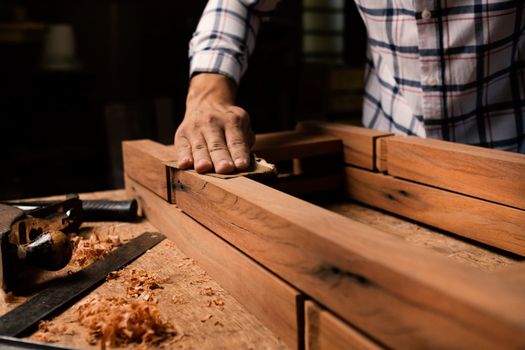
Once you have selected the right wood, it’s also essential to ensure that your furniture is finished properly. This means sanding down rough edges, applying a safe finish, and ensuring all parts are securely fastened. Always let finishes cure completely before allowing children to use the furniture.
By following these guidelines and avoiding common mistakes, you can create beautiful and safe furniture for children that will last for years. Remember that the safety of your child is paramount, and taking the time to select the right materials will pay off in the long run.
FAQ Section
- What wood is the safest for children's furniture? Hardwoods like maple, oak, and birch are generally considered safe due to their durability and low likelihood of splintering.
- How can I tell if a wood finish is safe for children? Look for finishes that are labeled as non-toxic, VOC-free, and suitable for children's products.
- Are softwoods completely unsafe for children's furniture? While softwoods can be used if properly treated and finished, they are usually less durable and more prone to damage compared to hardwoods.
📚 Related Articles
🔨 Want 16,000+ Woodworking Plans?
Get instant access to step-by-step plans with blueprints and cut lists.
Get Instant Access →