Understanding Hardwoods and Softwoods
When embarking on a woodworking project, one of the most critical decisions is the selection of the right type of wood. The two primary categories of wood are hardwoods and softwoods, each offering unique characteristics that can significantly influence your project. Understanding these differences is essential to avoid common mistakes and ensure a successful build.
Defining Hardwoods and Softwoods
Hardwoods come from deciduous trees, which lose their leaves annually. These trees often grow slower than their coniferous counterparts, resulting in denser wood. Examples of hardwoods include:
- Oak
- Maple
- Cherry
- Walnut
Softwoods, on the other hand, come from coniferous trees that usually remain evergreen. These trees tend to grow quickly, resulting in lighter and less dense wood. Common examples of softwoods include:
- Pine
- Cedar
- Spruce
- Fir
Key Differences Between Hardwoods and Softwoods
While the classification may seem simple, there are several important differences between hardwoods and softwoods that can affect your woodworking projects. Here are the primary distinctions:
1. Density and Durability
Hardwoods are generally denser and more durable than softwoods. This density makes them suitable for furniture, flooring, and other applications where strength is crucial. Softwoods, while still usable, are often better suited for lightweight projects or items that do not require as much structural integrity.
2. Workability
Softwoods are usually easier to work with due to their lower density. They can be cut, shaped, and sanded more easily than hardwoods, which may require sharper tools and more effort to achieve a smooth finish. When working with hardwoods, ensure you have the proper tools to avoid frustration.
3. Cost
Generally, hardwoods are more expensive than softwoods. The slower growth rate and higher demand for hardwood species contribute to their higher price point. If you're on a budget, softwoods can be an economical choice, especially for larger projects.
4. Aesthetic Qualities
Hardwoods often exhibit more intricate grain patterns and colors, which can enhance the visual appeal of furniture and cabinetry. Softwoods typically have a more uniform appearance, which can be desirable for certain styles but may lack the character found in hardwoods.
Common Mistakes to Avoid When Choosing Wood
When selecting between hardwoods and softwoods, several common mistakes can lead to frustration and compromised results. Here are some pitfalls to watch out for:
1. Ignoring Project Requirements
One of the most common mistakes is not considering the specific needs of your project. If you're building a sturdy dining table, hardwoods might be the better choice due to their durability. Conversely, if you're creating a decorative piece, a softwood may suffice.
Troubleshooting Tip: Always evaluate the purpose of your project and select a wood type that meets those requirements.
2. Overlooking Moisture Content
Wood is a natural material that can expand and contract with changes in humidity. Using wood that has not been properly dried can lead to warping or cracking over time. This is especially critical for hardwoods, which are less forgiving than softwoods.
Troubleshooting Tip: Always check the moisture content of your wood before starting your project. Ideally, it should be below 10% for indoor projects.
3. Skipping Quality Checks
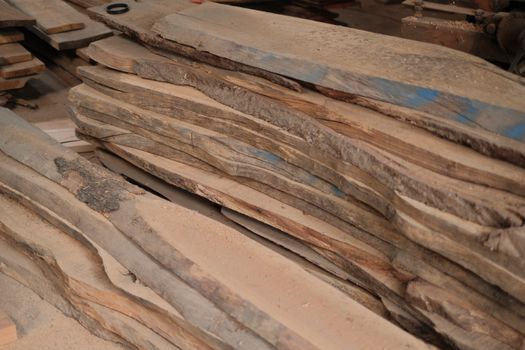
Not all wood is created equal. Some pieces may have defects such as knots, splits, or other imperfections that can affect the integrity of your project. Always inspect your wood carefully before purchasing.
Troubleshooting Tip: Look for straight grains and avoid pieces with significant defects. If you're unsure, consult a knowledgeable supplier or reference plans from resources like Ted Woodworking.
Conclusion
Understanding the differences between hardwoods and softwoods is crucial for successful woodworking. By considering the unique properties of each type and avoiding common mistakes, you can ensure that your projects not only meet your aesthetic goals but also stand the test of time. Remember to evaluate your project requirements, check moisture content, and select quality wood to achieve the best results.
FAQs
1. Can softwoods be used for furniture?
Yes, softwoods are perfectly suitable for furniture, especially for items that do not require high durability, such as lightweight chairs or decorative pieces.
2. What is the best way to finish hardwoods?
Hardwoods can be finished with various products such as oils, varnishes, or lacquers. Always sand the wood thoroughly and apply finish in thin coats for the best results.
3. Are there any environmental considerations when choosing wood?
Yes, it's essential to consider sustainability. Look for woods certified by organizations such as the Forest Stewardship Council (FSC) to ensure responsible sourcing.
📚 Related Articles
🔨 Want 16,000+ Woodworking Plans?
Get instant access to step-by-step plans with blueprints and cut lists.
Get Instant Access →