Introduction to Engineered Wood
As a woodworker, you are likely no stranger to the various types of wood available for your projects. One type of wood that has gained popularity in recent years is engineered wood. But what exactly is engineered wood, and should you consider it for your furniture projects? In this article, we will take a closer look at engineered wood, its pros and cons, and the tools you will need to work with it.
What is Engineered Wood?
Engineered wood, also known as composite wood, is made from a combination of wood fibers, strands, or veneers that are pressed together using adhesives. This process creates a strong and stable wood product that can be used for a variety of applications, including furniture making. Engineered wood is often less expensive than solid wood and can be more sustainable, as it can be made from smaller trees and wood waste.
One of the benefits of engineered wood is its stability. It is less prone to warping and shrinking than solid wood, which makes it ideal for large projects such as tabletops and shelves. Additionally, engineered wood can be made to mimic the look of solid wood, making it a great option for those who want the appearance of solid wood without the high cost.
Pros and Cons of Engineered Wood
Like any type of wood, engineered wood has its pros and cons. Some of the pros of engineered wood include:
- Stability: Engineered wood is less prone to warping and shrinking than solid wood.
- Affordability: Engineered wood is often less expensive than solid wood.
- Sustainability: Engineered wood can be made from smaller trees and wood waste, making it a more sustainable option.
Some of the cons of engineered wood include:
- Limited durability: Engineered wood can be more prone to damage than solid wood.
- Difficult to repair: Engineered wood can be difficult to repair if it becomes damaged.
- Limited design options: Engineered wood can be limited in terms of design options, as it is often made in standard sizes and shapes.
Tools Needed to Work with Engineered Wood
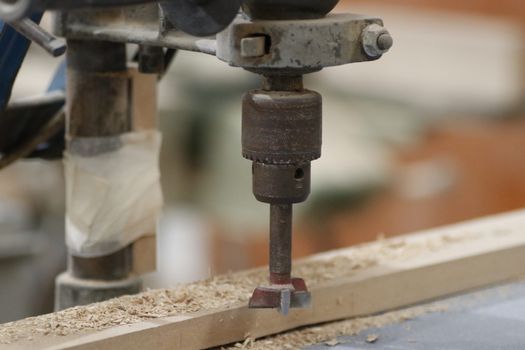
To work with engineered wood, you will need a variety of tools, including a table saw, miter saw, and drill press. A table saw is necessary for making straight cuts in the wood, while a miter saw is necessary for making angled cuts. A drill press is necessary for drilling precise holes in the wood.
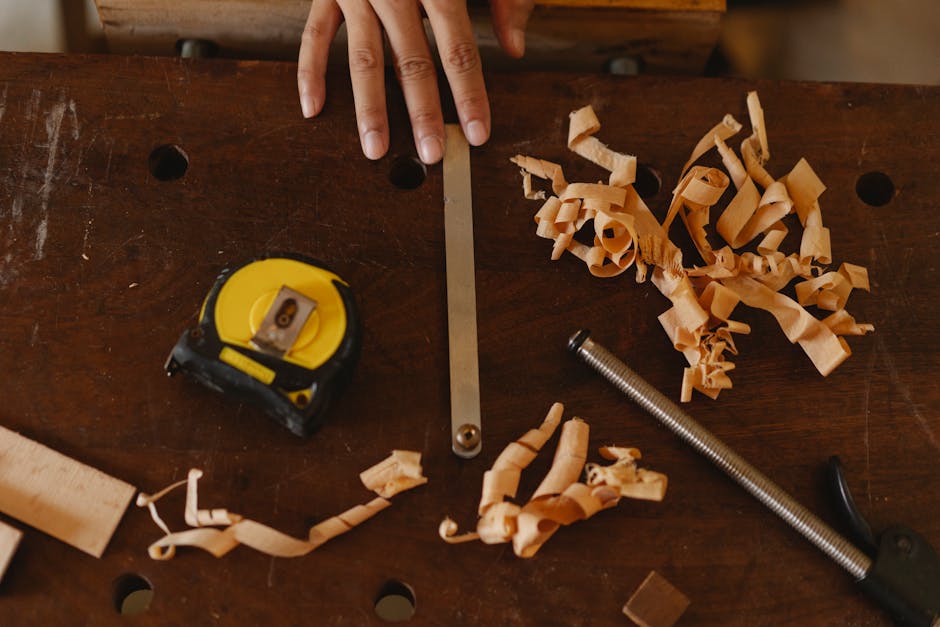
In addition to these power tools, you will also need a variety of hand tools, including a tape measure, square, and clamps. A tape measure is necessary for measuring the wood accurately, while a square is necessary for ensuring that your cuts are square. Clamps are necessary for holding the wood in place while you glue and assemble your project.
If you are looking for plans for your furniture project, consider checking out Ted Woodworking. They offer a wide variety of plans for all skill levels, from beginner to advanced.
Conclusion
Engineered wood can be a great option for furniture projects, offering stability, affordability, and sustainability. However, it also has some limitations, including limited durability and design options. By understanding the pros and cons of engineered wood and having the right tools, you can create beautiful and functional furniture pieces that will last for years to come.
Frequently Asked Questions
Here are some frequently asked questions about engineered wood:
- Q: Is engineered wood as strong as solid wood? A: Engineered wood can be just as strong as solid wood, depending on the type and quality of the wood.
- Q: Can engineered wood be stained and finished like solid wood? A: Yes, engineered wood can be stained and finished like solid wood, but it may require special preparation and techniques.
- Q: Is engineered wood suitable for outdoor projects? A: Engineered wood can be used for outdoor projects, but it may require special treatment and protection to withstand the elements.
🔨 Want 16,000+ Woodworking Plans?
Get instant access to step-by-step plans with blueprints and cut lists.
Get Instant Access →