Introduction
Starting your journey in woodworking can be both exciting and overwhelming. One of the most crucial decisions you will make as a beginner is selecting the right type of wood for your projects. Softwoods are often recommended for beginners due to their availability, ease of use, and affordability. In this article, we will explore some of the best softwoods for novice woodworkers, how to choose the right one for your projects, and tips to help you get started.
What Are Softwoods?
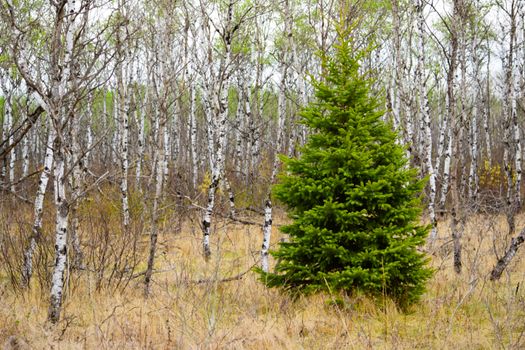
Softwoods come from coniferous trees, which are typically evergreen. These woods are known for their lighter weight, easier workability, and generally lower cost compared to hardwoods. Some common characteristics of softwoods include:
- Lower density
- Less expensive
- Easy to cut, shape, and sand
- Often used for furniture, cabinetry, and decorative projects
Top Softwoods for Beginner Woodworkers
Here are some of the best softwoods recommended for beginners, along with their unique characteristics:
1. Pine
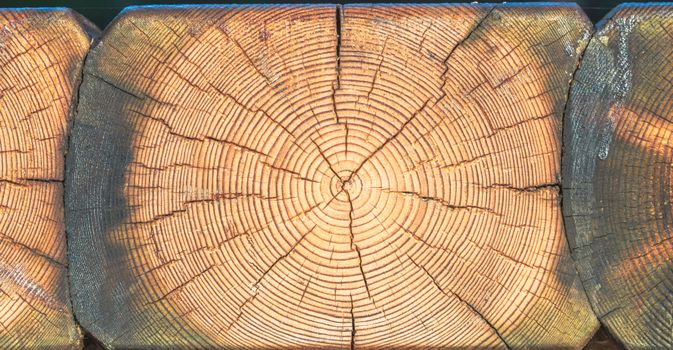
Pine is one of the most popular softwoods for woodworking, especially among beginners. It is readily available, affordable, and easy to work with. Pine is known for its light color and distinct grain patterns, making it an attractive option for various projects.
- Workability: Easy to cut, drill, and sand.
- Durability: While softer than other woods, it can be treated for outdoor use.
- Finishing: Takes paint and stain well.
2. Cedar
Cedar is another fantastic option for beginners. Known for its aromatic scent, cedar is resistant to decay and insects, making it ideal for outdoor projects like garden furniture.
- Workability: Easy to work with, though it can splinter if not handled correctly.
- Durability: Naturally resistant to moisture and insects.
- Finishing: Best left unfinished for outdoor use, as it can develop a beautiful gray patina.
3. Fir
Fir is a versatile softwood that is often used in construction but can also be utilized for furniture projects. It has a straight grain and is quite strong for a softwood.
- Workability: Easy to cut and shape.
- Durability: Stronger than many other softwoods, making it suitable for structural projects.
- Finishing: Accepts stain and paint nicely.
4. Spruce
Spruce is a lightweight softwood that is often used for musical instruments and construction. It has a fine grain and is easy to work with, making it great for beginners.
- Workability: Can be easily cut and shaped.
- Durability: Good for indoor projects; not ideal for outdoor use without treatment.
- Finishing: Stains and paints well.
5. Poplar
Though technically a hardwood, poplar is often categorized with softwoods due to its softness and workability. It is a popular choice for painted furniture and cabinetry.
- Workability: Very easy to work with, cuts and sands smoothly.
- Durability: Fairly strong but can dent easily.
- Finishing: Takes paint exceptionally well, making it a favorite for projects that will be painted.
Choosing the Right Softwood for Your Project
When selecting softwoods for your woodworking projects, consider the following factors:
- Project Type: Determine whether your project is for indoor or outdoor use.
- Finish: Decide if you want a natural finish or if you plan to paint or stain the wood.
- Budget: Some softwoods are more expensive than others, so consider your budget when making your choice.
Getting Started with Basic Tools
As a beginner woodworker, you don’t need a fancy workshop filled with tools. Here are some basic tools to get you started:
- Hand Saw: For cutting wood to size.
- Drill: For making holes and driving screws.
- Sander: For smoothing surfaces.
- Clamps: To hold pieces together while you work.
- Measuring Tape: For accurate measurements.
Once you’ve gathered your tools and chosen your softwood, you can start planning your first project. For inspiration and detailed plans, consider checking out resources like Ted Woodworking, which offers a vast array of woodworking plans suitable for all skill levels.
Conclusion
Choosing the right softwood is vital for your success as a beginner woodworker. Pine, cedar, fir, spruce, and poplar are excellent choices that will allow you to create beautiful projects while building your skills. Remember to consider your project requirements, budget, and finish when selecting your material. With the right tools and softwood, you're well on your way to creating your first woodworking masterpiece!
FAQ
1. What is the easiest softwood to work with for beginners?
Pine is often considered the easiest softwood for beginners due to its availability, affordability, and ease of use.
2. Can softwoods be used for outdoor projects?
Yes, some softwoods like cedar are naturally resistant to decay and can be used for outdoor projects. However, other softwoods may need treatment to withstand the elements.
3. Should I use softwood or hardwood for my first project?
Softwoods are generally recommended for beginners due to their ease of workability and lower cost, making them an ideal choice for your first projects.
📚 Related Articles
🔨 Want 16,000+ Woodworking Plans?
Get instant access to step-by-step plans with blueprints and cut lists.
Get Instant Access →