Introduction
\nWhen it comes to building your own furniture, one of the first decisions you will face is whether to buy pre-cut wood or cut your own lumber. Each option has its pros and cons, especially when you're focused on a budget build. In this article, we will explore the differences between these two approaches, helping you make an informed decision that suits both your budget and your woodworking skills.
\nThe Case for Pre-Cut Wood
\nPurchasing pre-cut wood can be a convenient option, particularly for beginners or those who want to save time. Let's dive into some of the advantages:
\n- \n
- Time-Saving: Pre-cut wood is ready to use, which means you can skip the time-consuming measuring and cutting process. This is especially beneficial for those with limited time or who want to complete a project quickly. \n
- Consistency: Pre-cut lumber is typically produced in bulk, ensuring uniformity in size and shape. This can lead to more precise joinery and a cleaner final product. \n
- Less Skill Required: If you're new to woodworking or lack confidence in your cutting abilities, pre-cut wood is a safer option. It minimizes the risk of mistakes that could lead to wasted materials. \n
- Availability: Many home improvement stores and lumber yards offer a wide selection of pre-cut wood in various species, widths, and lengths, making it easy to find the right materials for your project. \n
Disadvantages of Pre-Cut Wood
\nWhile pre-cut wood has its advantages, there are also some drawbacks to consider:
\n- \n
- Cost: Pre-cut wood can be more expensive than purchasing raw lumber. If you are on a tight budget, this might be a significant consideration. \n
- Limited Choices: You may find that pre-cut wood options are limited to certain types of wood and dimensions. If you have a specific design in mind, you might not find exactly what you need. \n
- Less Satisfaction: For some woodworkers, cutting their own wood is part of the creative process. Using pre-cut wood can feel less rewarding, especially for those who enjoy crafting from scratch. \n
The Benefits of Cutting Your Own Wood
\nOn the other hand, cutting your own wood can be a rewarding experience that allows for more customization.
\n- \n
- Cost Savings: Generally, purchasing raw lumber is more cost-effective than buying pre-cut pieces. You can often find great deals on larger boards and cut them down to your desired sizes. \n
- Customization: When you cut your own wood, you have complete control over the dimensions and shapes. This flexibility allows you to create furniture that fits your exact specifications. \n
- Quality Control: Cutting your own wood gives you the opportunity to select high-quality lumber. You can inspect the wood for knots, warping, and other imperfections before making a purchase. \n
- Skill Development: If you're looking to improve your woodworking skills, cutting your own wood is an excellent way to practice and learn. It can enhance your overall understanding of the materials and tools. \n
Challenges of Cutting Your Own Wood
\nHowever, there are challenges associated with cutting your own wood that you should be aware of:
\n- \n
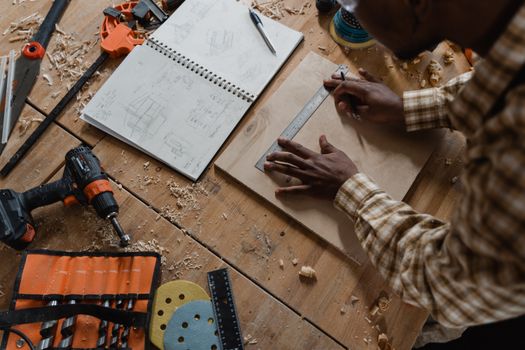
- Time and Effort: Cutting wood requires time, effort, and tools. If you are short on time or lack the necessary equipment, this option might not be practical. \n
- Skill Level: If you are inexperienced, cutting your own wood can lead to mistakes, resulting in wasted materials and increased costs. \n
- Tool Investment: To cut your own wood, you may need to invest in specialized tools like a table saw, miter saw, or jigsaw, which can add to your initial expenses. \n
Budget-Friendly Tips for Choosing Wood
\nWhether you decide to buy pre-cut wood or cut your own, here are some cost-saving tips to keep in mind:
\n- \n
- Look for Sales: Keep an eye out for sales at local lumber yards or home improvement stores. You can often find discounts on both pre-cut and raw lumber. \n
- Consider Alternative Materials: Don't overlook materials like plywood or MDF. These can be more affordable options for certain projects while still providing durability. \n
- Plan Your Projects: Before purchasing wood, create a detailed plan of your project. This will help you buy the right amount of wood and avoid extra expenses due to overbuying. \n
- Use Ted Woodworking for Plans: If you're looking for comprehensive furniture plans that can help you maximize your materials, consider using resources like Ted Woodworking. They offer a variety of plans that can guide you in making the most of your wood selection. \n
Conclusion
\nUltimately, the choice between buying pre-cut wood or cutting your own comes down to your budget, skill level, and personal preferences. If you're looking for a quick, hassle-free solution, pre-cut wood may be the way to go. However, if you're willing to invest time and effort into your woodworking projects, cutting your own wood can lead to significant cost savings and a more personalized final product. Whichever route you choose, remember to plan wisely and take advantage of available resources to create beautiful, budget-friendly furniture.
\nFAQ
\n1. Is it cheaper to buy pre-cut wood or cut my own?
\nGenerally, buying raw lumber and cutting it yourself is cheaper than purchasing pre-cut wood, but it requires more time and effort.
\n2. What tools do I need to cut my own wood?
\nBasic tools include a saw (table saw, miter saw, or jigsaw), measuring tape, and safety equipment like goggles and ear protection.
\n3. Can I use pre-cut wood for custom furniture designs?
\nYes, you can use pre-cut wood, but the options may be limited. Custom designs may require cutting your own wood to achieve the desired dimensions.
📚 Related Articles
🔨 Want 16,000+ Woodworking Plans?
Get instant access to step-by-step plans with blueprints and cut lists.
Get Instant Access →