Introduction
When it comes to high-end furniture construction, the choice of wood is critical. Hardwoods have long been favored by professional woodworkers and furniture makers for their durability, aesthetic appeal, and workability. In this article, we will delve into why hardwoods are ideal for high-end furniture, focusing on advanced techniques such as joinery, precision, and achieving a professional finish.
The Benefits of Hardwoods
Hardwoods, derived from deciduous trees, come with a range of benefits that make them particularly suited for premium furniture. Here are some key advantages:
- Durability: Hardwoods are known for their strength and longevity, making them resistant to wear and tear over time.
- Aesthetic Variety: With a wide range of species such as oak, maple, cherry, and walnut, hardwoods offer unique grains and colors that enhance the beauty of furniture.
- Stability: Hardwoods tend to be more stable than softwoods, reducing the likelihood of warping or cracking.
- Workability: Though hardwoods can be challenging to work with, they allow for precision cuts and detailed joinery that softwoods may not support.
Joinery Techniques for Hardwoods
One of the hallmarks of high-end furniture is the quality of its joinery. Hardwoods lend themselves to advanced joinery techniques that not only enhance strength but also contribute to the overall aesthetics of the piece.
Dovetail Joints
Dovetail joints are a quintessential woodworking technique, often used in drawers and cabinets. This joint is revered for its resistance to being pulled apart. When crafted from hardwood, dovetail joints provide a clean and polished look, which is crucial for high-end pieces. The precision required in cutting dovetails is best achieved with the density of hardwoods, allowing for crisp lines and tight fits.
Another classic joint, the mortise and tenon, is particularly strong and ideal for frames and structural elements of furniture. When using hardwoods, the tightness of the fit can be maximized, resulting in a joint that can endure stress and weight. Additionally, the aesthetics of a well-executed mortise and tenon joint can be a focal point in high-end designs.
Box Joints
Box joints offer a unique and visually appealing method for joining pieces of hardwood. This technique is particularly effective in corners, such as in boxes or chests. Hardwoods allow for precise cuts and the ability to create intricate patterns that enhance the overall design of the furniture.
Precision in Construction
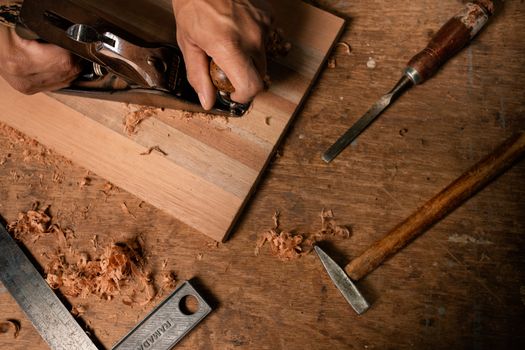
Precision is paramount in high-end furniture construction. Hardwoods, with their dense composition, allow for more accurate cuts and smoother finishes. The use of high-quality tools, such as table saws and routers, can yield the exact dimensions required for tight-fitting joints.
Measuring and Cutting
Accurate measuring and cutting are essential to ensure that all parts fit together seamlessly. Using hardwoods necessitates careful planning, as their density can make cutting more demanding. However, the reward for this precision is a piece of furniture that not only functions well but also looks stunning.
Sanding and Finishing
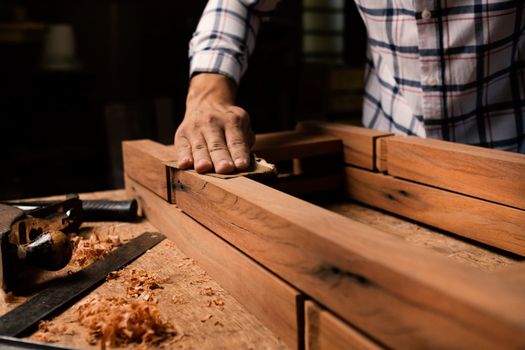
The finishing process for hardwoods is where their beauty truly shines. Sanding hardwoods to a fine grit allows for a smooth surface that enhances the wood's natural grain. When applying finishes, such as oils or lacquers, hardwoods absorb these treatments beautifully, resulting in a rich, deep color that highlights the unique characteristics of each species.
Professional Finish Techniques
The final finish on high-end furniture can make or break the piece. Here are some techniques that take advantage of hardwoods' characteristics:
Staining
Staining hardwoods can enhance their natural beauty, adding depth and richness to the color. The even absorption of stains in hardwoods allows for consistent results, ensuring that the final piece has a professional appearance.
Sealing
Applying a sealant is crucial for protecting the wood from moisture and damage. Hardwoods respond well to sealants, which can be applied to enhance the luster of the finished product. A well-sealed surface can also make cleaning and maintenance easier, preserving the beauty of the furniture over time.
Resources for Woodworking Plans
For those interested in embarking on high-end furniture projects, resources like Ted Woodworking offer a wealth of plans and guides that can help you navigate the complexities of working with hardwoods. Their comprehensive plans cater to various skill levels, making it easier to create high-quality furniture.
Conclusion
Choosing hardwoods for high-end furniture construction is a decision that pays dividends in terms of durability, aesthetics, and craftsmanship. The advanced joinery techniques, precision in construction, and professional finishes achievable with hardwoods make them the ideal choice for discerning woodworkers. Whether you are a seasoned professional or an aspiring hobbyist, understanding the advantages of hardwoods will elevate your furniture-making endeavors.
FAQ
What types of hardwoods are best for furniture making?
Some of the best hardwoods for furniture making include oak, walnut, cherry, and maple. Each offers unique aesthetics and durability.
How do I care for hardwood furniture?
To care for hardwood furniture, use a soft cloth for dusting, avoid harsh chemicals, and apply appropriate wood polish or conditioner periodically.
Can I use softwoods for high-end furniture?
While softwoods can be used for furniture, they are typically less durable and may not offer the same aesthetic appeal or longevity as hardwoods.
📚 Related Articles
🔨 Want 16,000+ Woodworking Plans?
Get instant access to step-by-step plans with blueprints and cut lists.
Get Instant Access →