Introduction
Woodworking is a fulfilling hobby that allows you to create beautiful and functional furniture. For beginners, it's essential to start with projects that are not only manageable but also help you develop your skills. In this article, we will explore several furniture projects that can help you grow as a woodworker while building your confidence and creativity.
Essential Tools for Beginners
Before diving into specific projects, let's discuss the basic tools you'll need. As a beginner, you don’t need an extensive workshop filled with expensive equipment. Here’s a list of essential tools that will make your woodworking experience enjoyable:
- Hand Saw: Great for making precise cuts.
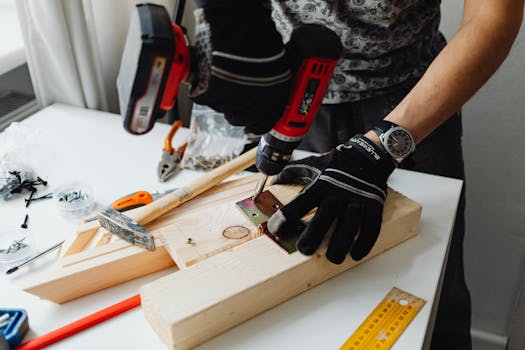
- Power Drill: Useful for drilling holes and driving screws.
- Measuring Tape: Ensures your cuts are accurate.
- Square: Helps in marking and checking right angles.
- Sandpaper: Essential for smoothing surfaces.
- Clamps: Keeps your pieces together while glue dries.
- Wood Glue: For joining pieces of wood.
1. Simple Bookshelf
A simple bookshelf is a perfect project for beginners. It helps you learn about measurements, cuts, and assembly. Here’s a quick guide:
Materials Needed:
- Wood boards (choose pine or plywood for an economical option)
- Wood glue
- Screws
- Sandpaper
- Varnish or paint (optional)
Steps:
- Measure and Cut: Decide on the dimensions of your bookshelf. Cut the wood to size using a hand saw or power saw.
- Assemble the Pieces: Use wood glue and screws to attach the shelves to the side pieces. Make sure everything is square.
- Sand the Edges: Smooth out all edges and surfaces with sandpaper.
- Finish: Apply varnish or paint as desired.
2. Basic Coffee Table
A coffee table is another excellent project that introduces you to more complex joinery techniques. This project will help you understand stability and aesthetics.
Materials Needed:
- Wood boards for the top and legs
- Wood glue
- Screws
- Sandpaper
- Wood finish (stain or paint)
Steps:
- Design Your Table: Sketch a simple design. Keep it low to the ground and rectangular.
- Cut the Wood: Cut your top and legs to size.
- Join the Legs: Use wood glue and screws or dowels to attach the legs to the underside of the table.
- Sanding and Finishing: Sand all surfaces and apply your finish of choice.
3. Simple Bench
A simple bench can serve various purposes, from outdoor seating to a decorative piece in your hallway. This project will give you a good grasp of stability and weight distribution.
Materials Needed:
- Wood boards (2x4s work well)
- Wood glue
- Screws
- Sandpaper
- Exterior wood finish (if used outdoors)
Steps:
- Cut the Wood: You will need a long piece for the seat and four pieces for the legs.
- Assemble the Bench: Attach the legs to the seat using wood glue and screws.
- Sand and Finish: Sand the entire bench and add a protective finish if used outdoors.
4. Picture Frame
Creating a picture frame is a small project that allows you to practice precision and joinery without committing to a large piece of furniture.
Materials Needed:
- Wood strips (choose a hardwood like oak or maple for a nicer finish)
- Wood glue
- Screws or nails
- Glass or acrylic sheet
- Backing material
- Sandpaper
Steps:
- Cut the Strips: Cut your wood strips to the desired lengths for the frame.
- Join the Corners: Use glue and either screws or nails to join the corners of the frame.
- Sand the Frame: Make sure all surfaces are smooth.
- Add Glass and Backing: Insert the glass and secure the backing material in place.
Final Thoughts
Choosing projects that align with your skill level is crucial for building confidence and expertise. Each of these beginner projects not only contributes to your woodworking portfolio but also allows you to learn valuable techniques. For those looking to expand their project ideas, consider checking out resources like Ted Woodworking, which offers a wealth of plans suitable for beginners.
FAQ
1. What is the best wood to use for beginner projects?
Pine and plywood are excellent choices for beginners because they are affordable and easy to work with.
2. How can I improve my woodworking skills?
Practice regularly, take on new projects, and don’t hesitate to seek advice from more experienced woodworkers.
3. Are power tools necessary for beginners?
While hand tools are sufficient for many projects, power tools can help save time and improve precision. Start with basic power tools as you advance.
📚 Related Articles
🔨 Want 16,000+ Woodworking Plans?
Get instant access to step-by-step plans with blueprints and cut lists.
Get Instant Access →