What Essential Skills Do I Need to Start Building Furniture?
Starting your journey in furniture building can be both exciting and daunting. With the right skills, tools, and attitude, you can create beautiful pieces without breaking the bank. In this article, we will explore the essential skills you need to kickstart your furniture-making adventure, while also focusing on budget-friendly tips and affordable materials.
1. Basic Woodworking Skills
Before diving into furniture building, it's crucial to have a grasp of basic woodworking skills. Here are some fundamental skills to develop:
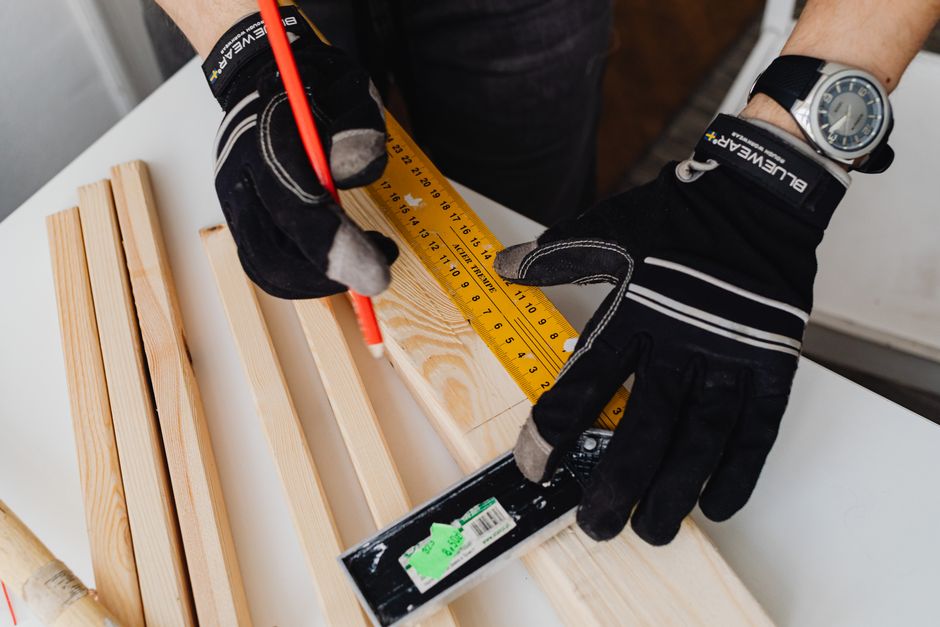
- Measuring and Marking: Accurate measurements are vital in woodworking. Invest in a good tape measure and learn how to mark your cuts accurately with a square or marking knife.
- Cutting: Familiarize yourself with different cutting techniques. Start with hand saws, then progress to power saws as you gain confidence.
- Sanding: Proper sanding can make or break your project. Learn how to use sandpaper effectively to achieve a smooth finish.
- Assembly: Understand how to join pieces together using various methods, such as screws, dowels, or wood glue. Each method has its own advantages and cost implications.
2. Tool Proficiency
Having the right tools is essential for any woodworking project. As a beginner, you don’t need to invest in high-end tools right away. Start with these basic tools:
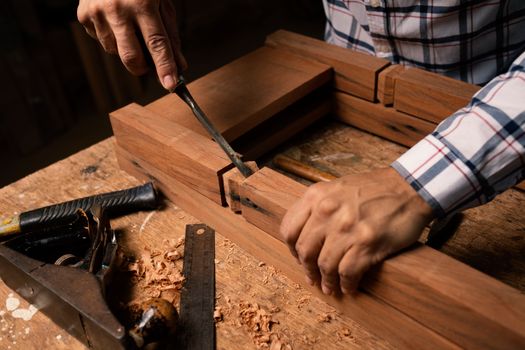
- Hand Tools: A quality hand saw, chisel set, and hammer should be your starting point. These tools are often more affordable and allow you to learn the craft without a big investment.
- Power Tools: As you progress, consider adding a jigsaw, circular saw, or a power drill. Look for budget-friendly brands or consider second-hand tools to save costs.
- Safety Gear: Never skimp on safety! Invest in safety glasses and hearing protection, especially when using power tools.
3. Understanding Wood and Materials
Choosing the right materials can significantly influence the cost of your furniture project. Here are some tips for selecting affordable materials:
- Types of Wood: Softwoods like pine or poplar are generally less expensive than hardwoods. They are easier to work with and perfect for beginners.
- Reclaimed Wood: Consider using reclaimed wood for a rustic look. Not only is it budget-friendly, but it also adds character to your furniture.
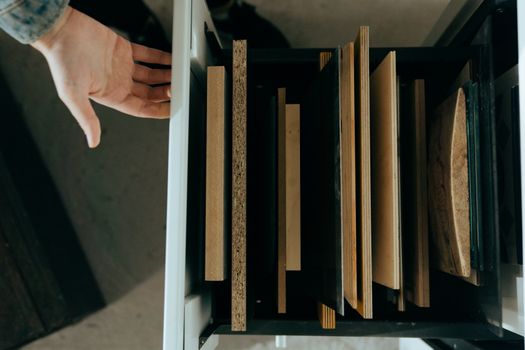
- Laminate and Plywood: For surfaces, laminate and plywood can be great cost-saving alternatives to solid wood. They are available in various finishes and are easy to work with.
4. Design and Planning Skills
Before starting any project, it’s essential to plan your design. Here are some tips to improve your design skills:
- Sketch Your Ideas: Start by sketching your furniture ideas. This doesn’t have to be perfect, but it will give you a clear direction.
- Learn Basic Design Principles: Understanding proportions, balance, and functionality will help you create more appealing furniture designs.
- Use Furniture Plans: Resources like Ted Woodworking offer a plethora of furniture plans that cater to various skill levels. These can guide you through the building process and help you avoid costly mistakes.
5. Finishing Techniques
Finishing is often overlooked, but it is crucial to the durability and aesthetics of your furniture. Here are some basic finishing techniques:
- Staining: Stains can enhance the natural beauty of wood. Learn how to apply stains evenly and protect your project from wear.
- Sealing: Use sealants or varnishes to protect your furniture from moisture and damage. Water-based finishes are often more affordable and easier to clean up.
- Painting: If you prefer a pop of color, painting your furniture can be an affordable and creative option. Choose quality paint for better durability.
6. Problem-Solving and Adaptability
Every woodworking project will present challenges. Cultivating problem-solving skills and adaptability will help you overcome obstacles. Here are some tips:
- Be Patient: Woodworking requires patience. Take your time and don’t rush through the process.
- Learn from Mistakes: Mistakes are inevitable. Instead of getting frustrated, view them as learning opportunities.
- Seek Help and Inspiration: Join local woodworking groups or online forums. You’ll find support and inspiration from fellow woodworkers.
Conclusion
Building furniture can be a rewarding and enjoyable endeavor, especially when approached with the right skills and mindset. By focusing on budget-friendly materials and honing your woodworking skills, you can create beautiful pieces without overspending. Remember to plan your projects carefully, utilize resources like Ted Woodworking, and embrace the learning process. Happy woodworking!
FAQ
1. How much does it cost to start building furniture?
The cost can vary widely depending on the tools and materials you choose. Starting with basic hand tools and affordable wood can keep initial costs under $100.
2. What is the best wood for beginner furniture projects?
Softwoods like pine and poplar are great options for beginners due to their affordability and ease of use.
3. Can I build furniture without power tools?
Yes! Many furniture projects can be completed using hand tools. Start with simple designs and gradually incorporate power tools as you gain experience.
📚 Related Articles
🔨 Want 16,000+ Woodworking Plans?
Get instant access to step-by-step plans with blueprints and cut lists.
Get Instant Access →