Why You Should Start with Simple Tables in Your Woodworking Journey
Embarking on a woodworking journey can be both exciting and daunting. For beginners, the array of complex projects available online can be overwhelming. However, starting with simple tables can provide a solid foundation for your skills while allowing you to create functional and beautiful pieces for your home. In this article, we will discuss the advantages of beginning with simple tables, common mistakes to avoid, and troubleshooting tips to ensure your journey is as smooth as possible.
The Benefits of Building Simple Tables
- Foundational Skills: Building a simple table helps you master essential woodworking techniques such as measuring, cutting, sanding, and joining wood. These skills are crucial for any future projects.
- Quick Results: Simple tables can often be completed in a weekend, providing a sense of accomplishment and motivation to continue your woodworking journey.
- Customizable Designs: A simple table can be customized to fit your style, whether you prefer a rustic farmhouse look or a sleek modern design.
- Resource Availability: Numerous resources, including plans from Ted Woodworking, offer detailed instructions for building simple tables, making it easier for beginners to get started.
- Practical Use: A table is a functional piece that can be used daily, making your efforts worthwhile.
Common Mistakes to Avoid
While building simple tables is relatively straightforward, beginners often encounter pitfalls that can lead to frustration. Here are some common mistakes to avoid:
1. Skipping the Planning Stage
One of the biggest errors new woodworkers make is diving into a project without adequate planning. Before you start cutting wood, take time to:
- Sketch your design and make a list of materials needed.
- Measure your space to ensure your table will fit.
- Create a step-by-step plan.
Tip: Use resources like Ted Woodworking for detailed plans that outline dimensions and materials.
2. Poor Measurements
Accurate measurements are critical in woodworking. Even a slight error can lead to a table that is uneven or unstable. Common measurement mistakes include:
- Not double-checking measurements before cutting.
- Using the wrong measuring tool.
- Not accounting for the thickness of the wood when making cuts.
Tip: Always measure twice and cut once. Keep a tape measure and square handy to ensure accuracy.
3. Inadequate Material Preparation
Working with rough lumber can be challenging if you’re not prepared. Beginners might neglect to:
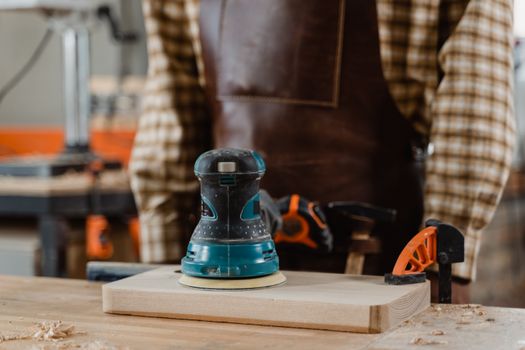
- Sand the wood properly, leading to rough surfaces.
- Check for warps or defects in the wood.
- Use the right type of wood for their project.
Tip: Spend time at the lumber yard selecting high-quality wood and prepare it by planing and sanding before starting your project.
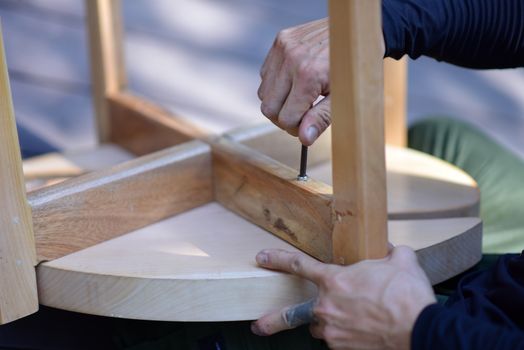
4. Neglecting Joinery Techniques
Joinery is the method of connecting two pieces of wood, and beginners often overlook its importance. Mistakes in joinery can lead to weak structures. Common joinery errors include:
- Using the wrong joinery method for the design.
- Not using enough glue or screws, leading to instability.
- Failing to clamp joints while they dry.
Tip: Research different joinery techniques and practice them on scrap wood before applying them to your project.
5. Rushing the Finishing Process
The finishing touches can make or break your table. Beginners often rush through this stage, leading to:
- Uneven stain or paint application.
- Skipping protective coatings, which can lead to damage.
- Not allowing adequate drying time.
Tip: Take your time with sanding and finishing. Apply multiple thin coats of finish instead of one thick layer for better results.
Troubleshooting Tips
Even with careful planning and execution, issues may arise during your project. Here are some troubleshooting tips to help you overcome common problems:
Fixing Uneven Legs
If you find your table wobbles due to uneven legs, try the following:
- Adjust the leg lengths by sanding down the longer legs.
- Add small rubber pads to the bottoms of the shorter legs for stability.
Correcting a Misaligned Top
If the tabletop is misaligned with the base, check the following:
- Ensure all joints are secure and properly glued.
- Loosen screws, adjust the position, and retighten.
Fixing Finish Mistakes
If your finish isn’t smooth, you can:
- Sand the area lightly and apply another coat.
- Use a clean cloth to buff out imperfections.
Conclusion
Starting your woodworking journey with simple tables is a wise choice for beginners. By focusing on foundational skills, avoiding common mistakes, and troubleshooting effectively, you can create beautiful, functional pieces that will inspire you to take on more complex projects in the future. Remember, resources like Ted Woodworking can provide valuable guidance and plans to help you succeed.
FAQ
1. What type of wood is best for a beginner table project?
Softwoods like pine or poplar are great for beginners due to their workability and affordability. They are easier to cut and sand, making them ideal for simple projects.
2. How much does it cost to build a simple table?
The cost can vary based on the type of wood and hardware used, but a simple table can typically be built for around $50 to $150, depending on your design and material choices.
3. Can I build a table without advanced tools?
Yes, you can build a simple table with basic tools such as a circular saw, drill, and hand tools. As you progress, you may choose to invest in more advanced tools for larger projects.
📚 Related Articles
🔨 Want 16,000+ Woodworking Plans?
Get instant access to step-by-step plans with blueprints and cut lists.
Get Instant Access →