Introduction
Building your own furniture can be a rewarding experience, especially if you are a beginner looking to develop your woodworking skills. One of the most functional pieces you can create is a coffee table. Not only does it serve a practical purpose, but it can also be a centerpiece in your living room. In this article, we will guide you through the process of building a functional coffee table using basic tools, while also reviewing the essential tools you will need.
Tools Needed
Before we dive into the building process, let's review the essential tools you will need for this project. We will also discuss the pros and cons of each tool.
1. Circular Saw
- Pros: A circular saw allows for straight cuts and can handle a variety of materials. It is portable and relatively easy to use, making it perfect for beginners.
- Cons: Requires practice to achieve accurate cuts and can be dangerous if not used properly. Always wear safety goggles.
2. Power Drill
- Pros: A power drill is essential for making holes and driving screws. It speeds up the assembly process and is a versatile tool in any workshop.
- Cons: Can be heavy and cumbersome for some users; cordless models may require battery charging.
3. Square and Measuring Tape
- Pros: A square ensures your corners are right angles, while a measuring tape allows for precise measurements. Both are essential for accurate woodworking.
- Cons: No significant cons; these tools are straightforward and crucial for any project.
4. Sander
- Pros: Sanding your wood is crucial for a smooth finish. An electric sander can save time and effort.
- Cons: Electric sanders can be expensive, and manual sanding requires more elbow grease.
5. Wood Glue and Clamps
- Pros: Wood glue secures joints while clamps hold pieces in place until the glue dries. They are affordable and essential for strong construction.
- Cons: Clamps can be bulky and require extra storage space.
Materials Required
In addition to the tools, you will need some basic materials for building your coffee table. Here’s a simple list:
- Wood (e.g., pine, oak, or plywood)
- Wood screws
- Wood finish or paint
- Wood glue
Step-by-Step Guide to Building Your Coffee Table
Now that you have your tools and materials ready, let’s walk through the steps to build your coffee table.
Step 1: Design Your Table
Before you start cutting wood, sketch a design of your coffee table. Keep it simple at first, perhaps a rectangular shape with four legs. If you need inspiration or detailed plans, consider resources like Ted Woodworking, which offers a variety of woodworking plans for all skill levels.
Step 2: Measure and Cut Your Wood
Using your square and measuring tape, measure the wood pieces according to your design. Use the circular saw to make straight cuts. Remember to wear safety goggles and follow all safety instructions while operating the saw.
Step 3: Assemble the Tabletop
For the tabletop, you may want to use multiple boards glued together. Apply wood glue between the boards and use clamps to hold them in place while they dry. Make sure the surface is level.
Step 4: Attach the Legs
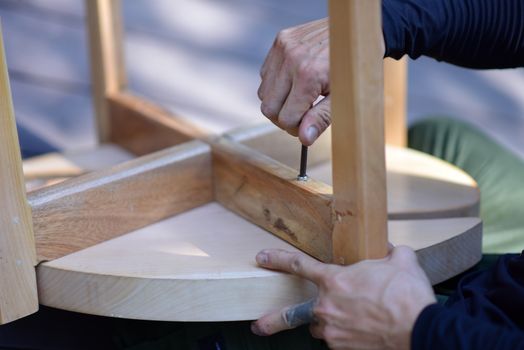
Once the tabletop is dry, it’s time to attach the legs. Measure and mark where each leg will go. Pre-drill holes to prevent the wood from splitting and use wood screws to secure the legs to the tabletop.
Step 5: Sand and Finish
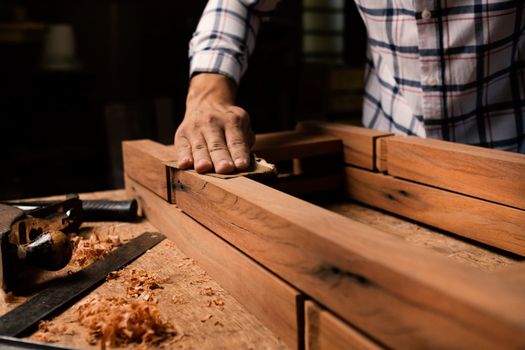
After assembly, use the sander to smooth all surfaces, paying special attention to the edges and corners. Once sanded, apply your chosen wood finish or paint. Allow it to dry completely before using your coffee table.
Conclusion
Building a coffee table is a fantastic beginner project that will not only enhance your woodworking skills but also provide you with a functional piece of furniture. With basic tools like a circular saw, power drill, and sander, you can create something unique for your home. Remember to always prioritize safety and consider using plans from resources like Ted Woodworking if you need guidance.
FAQ
1. How long does it take to build a coffee table?
The time it takes to build a coffee table can vary depending on your skill level and the complexity of the design. Generally, you can expect to spend a few hours to a full day on the project.
2. What type of wood is best for a coffee table?
Pine, oak, and plywood are great choices for beginners. Pine is affordable and easy to work with, while oak offers durability and a beautiful finish.
3. Do I need to use a finish on my coffee table?
Applying a finish is recommended as it protects the wood from scratches and stains, enhances its appearance, and extends the life of your table.
📚 Related Articles
🔨 Want 16,000+ Woodworking Plans?
Get instant access to step-by-step plans with blueprints and cut lists.
Get Instant Access →