Introduction
Starting your journey in woodworking can be both thrilling and daunting. With countless projects available, how do you choose the right one? This guide will help you navigate the world of woodworking plans, focusing on advanced techniques, joinery, and achieving a professional finish. Whether you're building a simple shelf or a more complex piece of furniture, finding the perfect plans is essential for a successful project.
Understanding Your Skill Level
Before diving into plans, evaluate your current skill level. If you're a complete beginner, look for projects that explicitly cater to novices. As your skills progress, you can tackle more intricate designs. Keep in mind that building experience is often gained through practice and learning from mistakes.
Start with Simplicity
- Choose Basic Shapes: Start with projects that utilize simple geometric shapes. Rectangular tables or basic bookshelves are ideal.
- Minimize Joinery Complexities: Avoid projects that require intricate joinery techniques until you feel more confident.
- Focus on Essential Tools: Ensure that you have the basic tools needed for your first projects, such as a saw, drill, and measuring tape.
Where to Find Quality Plans
Finding the right woodworking plans can be overwhelming, but several resources can help you locate projects that match your skill level and goals. Here are some of the best places to look:
Online Resources
- Woodworking Websites: Numerous websites offer free and paid woodworking plans. Look for those with detailed instructions and diagrams.
- YouTube Tutorials: Video tutorials can be invaluable for visual learners, providing step-by-step guidance on various projects.
- Woodworking Magazines: Subscribing to woodworking magazines can give you access to exclusive plans and expert tips.
- Ted Woodworking: For a comprehensive collection of plans, consider exploring Ted Woodworking. This resource offers thousands of plans that cater to all skill levels, focusing on joinery techniques and precision craftsmanship.
Choosing the Right Project
Once you've identified some potential plans, narrow your choices based on the following criteria:
Project Complexity
Assess the complexity of each project. Look for plans that detail each step clearly, ensuring you understand what is required. If a plan appears too complicated, it may be wise to choose a simpler project.
Joinery Techniques
Focusing on joinery is crucial for not only the strength of your project but also for its appearance. When selecting plans, pay attention to the following:
- Types of Joints: Look for projects that incorporate various types of joints, such as butt joints, dovetails, and mortise-and-tenon. Each joint offers different aesthetic and structural benefits.
- Joinery Precision: Ensure the plans emphasize precision in joinery. Accurate measurements and cuts are essential for achieving professional results.
- Finishing Techniques: Consider projects that include finishing techniques, such as sanding, staining, or sealing, which can elevate the overall quality of your work.
Gathering Materials and Tools
Once you've selected a plan, it’s time to gather your materials and tools. Here are some tips:
- List of Materials: Make sure to create a complete list of materials needed, including wood types, screws, glue, and finishing products.
- Quality over Quantity: Purchase quality materials that will enhance the durability and appearance of your finished piece.
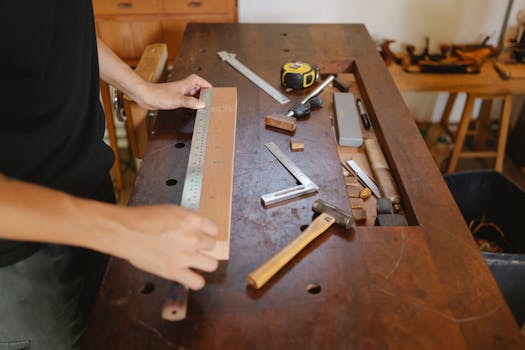
- Essential Tools: Ensure you have the right tools for the job. Basic tools include a miter saw, table saw, clamps, and a square for ensuring precise cuts.
Executing Your Project
With your plans and materials in hand, it's time to start building. Follow these tips for a successful execution:
- Follow the Plans Carefully: Adhere strictly to the plans, taking your time to ensure accuracy in each step.
- Measure Twice, Cut Once: Always double-check your measurements before making any cuts to avoid mistakes.
- Take Breaks: Woodworking can be tiring. Take breaks to maintain focus and precision.
- Ask for Help: If you encounter difficulties, don’t hesitate to seek advice from more experienced woodworkers or online forums.
Finishing Touches
The finish you apply to your piece can make a significant difference in its appearance and longevity. Here are some finishing tips:
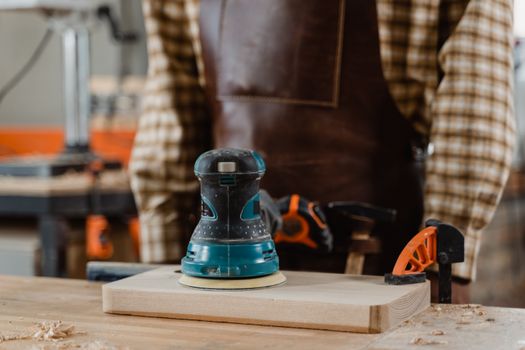
- Sanding: Sand your project thoroughly to ensure a smooth surface. Start with coarser grits and progress to finer ones.
- Staining or Painting: Decide on a stain or paint color that complements your decor. Apply evenly for a professional look.
- Sealing: Use a sealant to protect your project from moisture and wear, ensuring it lasts for years to come.
Conclusion
Finding the perfect woodworking plans for your first project can greatly impact your success and enjoyment in woodworking. By focusing on advanced techniques, precision in joinery, and high-quality finishes, you'll not only create beautiful pieces but also develop valuable skills along the way. Remember to explore resources like Ted Woodworking for a rich selection of plans tailored for your needs. Happy woodworking!
FAQ
- What is the best type of wood for a beginner project?
Pine is often recommended for beginners due to its affordability, ease of use, and availability. - How can I improve my joinery skills?
Practice is key! Start with simple joints and gradually move to more complex ones, utilizing online resources and tutorials. - What tools do I need to start woodworking?
Basic tools include a saw, drill, measuring tape, square, clamps, and a sander. As you progress, you can invest in more specialized tools.
📚 Related Articles
🔨 Want 16,000+ Woodworking Plans?
Get instant access to step-by-step plans with blueprints and cut lists.
Get Instant Access →