Choosing the Right Wood for Your Bookshelf
\nBuilding a bookshelf can be a rewarding project, especially when you choose the right materials. If you're starting out, you'll want to consider woods that not only look good but also fit your budget. In this guide, we'll explore some of the best wood options for crafting elegant bookshelves under $200, perfect for beginners using basic tools.
\n\nWhy Wood Selection Matters
\nThe wood you choose for your bookshelf will affect its strength, appearance, and durability. Some woods are more suited to certain styles, while others may be easier to work with for beginners. Here are key factors to consider:
\n- \n
- Cost: Stay within your budget of $200. \n
- Weight: Heavier woods may require stronger supports. \n
- Workability: Some woods are easier to cut and finish than others. \n
- Aesthetic: Choose a wood that complements your home decor. \n
Best Woods for Bookshelves
\nHere’s a list of some of the best woods for crafting elegant bookshelves:
\n\nPine
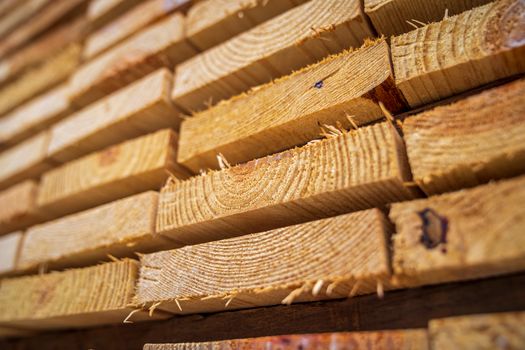
\nPine is an excellent choice for beginners. It is lightweight, easy to work with, and affordable. Its light color can be stained or painted to match your decor, making it versatile for any style. Pine is readily available at most lumber yards and home improvement stores.
\n\nPoplar
\nPoplar is another great option for DIYers. It has a straight grain and a smooth finish, making it easy to paint or stain. While slightly more expensive than pine, it is still budget-friendly. Poplar is durable and can withstand the weight of books well.
\n\nBirch
\nBirch is a hardwood that provides a beautiful finish. It is more expensive than pine and poplar but can often be found at a reasonable price. Birch is strong and can be used for more intricate designs, making your bookshelf stand out.
\n\nMaple
\nMaple is known for its durability and fine grain. It’s perfect for elegant, high-quality bookshelves. While it may push you closer to the $200 budget, it’s worth considering if you want something that will last for years. Maple can be stained to enhance its natural beauty.
\n\nOak
\nOak is a classic choice for furniture making. It is known for its strength and beautiful grain patterns. While oak can be more expensive, using smaller sections or reclaimed oak can keep your project within budget. Oak bookshelves tend to have a timeless appeal.
\n\nTools You Will Need
\nTo build your bookshelf, you will need some basic tools. Here’s a list to get you started:
\n- \n
- Measuring tape \n
- Square \n
- Hand saw or circular saw \n
- Drill \n
- Screwdriver \n
- Sandpaper \n
- Wood glue \n
- Clamps \n
- Finish (stain or paint) \n
A Step-by-Step Guide to Building Your Bookshelf
\nFollow these simple steps to create your elegant bookshelf:
\n- \n
- Design Your Bookshelf: Sketch out your design. Determine the dimensions based on the space available and the size of the books you plan to store. \n
- Measure and Cut the Wood: Using your measuring tape and saw, cut the wood to the desired lengths. Ensure your cuts are straight for a clean assembly. \n
- Sanding: Sand all edges and surfaces of the wood to prevent splinters and ensure a smooth finish. \n
- Assemble the Frame: Use wood glue and screws to assemble the frame of your bookshelf. Start with the base and work your way up. \n
- Add Shelves: Determine the height of your shelves and secure them in place using brackets or wood dowels. \n
- Finishing Touches: Apply your chosen finish, whether it be paint or stain. Let it dry completely before placing any books on the shelves. \n
Finding Plans and Inspiration
\nIf you need help with designs and plans, consider checking out Ted Woodworking. They offer a wide variety of woodworking plans that can guide you through the building process and help inspire your bookshelf project.
\n\nConclusion
\nBuilding your own bookshelf can be an enjoyable and cost-effective way to enhance your living space. By choosing the right wood and following the steps outlined above, you can create an elegant piece that suits your style and budget. Remember to take your time and have fun with the process!
\n\nFrequently Asked Questions
\n- \n
- What is the best wood for a budget bookshelf? Pine and poplar are great choices for budget-friendly bookshelves, as they are affordable and easy to work with. \n
- Can I use plywood for my bookshelf? Yes, plywood is a cost-effective option and can provide good strength and stability for bookshelves, especially if you choose higher-quality plywood. \n
- How can I make my bookshelf more durable? Use sturdy materials like hardwoods, ensure proper assembly, and consider adding a back panel for extra support. \n
📚 Related Articles
🔨 Want 16,000+ Woodworking Plans?
Get instant access to step-by-step plans with blueprints and cut lists.
Get Instant Access →