Understanding Outdoor Furniture Needs
When it comes to building outdoor furniture, selecting the right wood is crucial. Outdoor furniture must withstand the elements: rain, sun, wind, and temperature fluctuations. As a beginner, it’s essential to know which types of wood are best suited for these conditions, so your furniture lasts for years to come.
Factors to Consider When Choosing Wood
Before diving into specific wood types, consider the following factors:
- Durability: Look for woods that resist decay and insect damage.
- Maintenance: Some woods require more upkeep than others.
- Aesthetics: Choose a wood that fits the look and feel you want for your outdoor space.
- Cost: Balance your budget with the quality of wood you desire.
- Availability: Ensure the wood is readily available in your area.
Best Types of Wood for Outdoor Furniture
Here’s a breakdown of some of the best wood options for outdoor furniture projects:
1. Teak
Teak is one of the most popular choices for outdoor furniture due to its high oil content, which makes it naturally resistant to moisture, insects, and decay. It has a beautiful golden hue that ages to a lovely silver-grey patina if left untreated.
- Durability: Highly durable and can last for decades.
- Maintenance: Minimal; can be left untreated or oiled for a richer color.
- Cost: Generally on the higher end.
2. Cedar
Cedar is a fantastic option for outdoor furniture due to its natural resistance to moisture and insects. It has a distinct aroma and a beautiful reddish color, making it aesthetically pleasing.
- Durability: Good durability but may require occasional sealing to prolong its life.
- Maintenance: Requires more maintenance than teak; oiling is recommended.
- Cost: More affordable than teak.
3. Redwood
Redwood is another excellent choice for outdoor furniture. Like cedar, it has natural resistance to decay and insects. Its rich color and grain patterns make it a popular aesthetic choice.
- Durability: Durable when properly treated.
- Maintenance: Needs regular maintenance to maintain its appearance.
- Cost: Moderately priced but can vary based on quality.
4. Pressure-Treated Pine
This is a cost-effective option for outdoor furniture. Pressure-treated pine is treated with chemicals to resist rot and insects, making it suitable for outdoor use.
- Durability: Good durability when properly maintained.
- Maintenance: Requires regular sealing and staining.
- Cost: One of the most affordable options.
How to Prepare Wood for Outdoor Furniture
Once you've chosen your wood, proper preparation is essential. Here’s a simple step-by-step guide:
Step 1: Cut the Wood
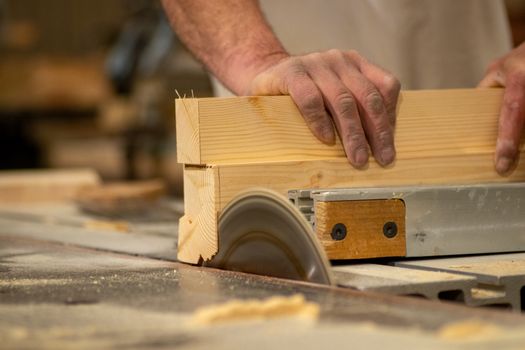
Use a circular saw or handsaw to cut the wood to your desired dimensions. Always wear safety gear, including goggles and gloves.
Step 2: Sand the Wood
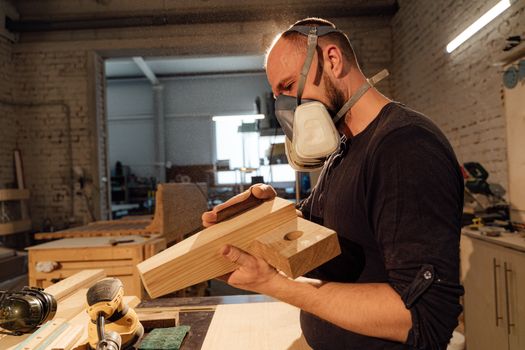
Sand the surfaces using a power sander or sandpaper (grit 120-220) to ensure a smooth finish. This step is crucial to avoid splinters.
Step 3: Treat the Wood
Apply a wood preservative or sealant to protect it from the weather. Follow the manufacturer's instructions for the best results.
Step 4: Assemble Your Furniture
Use wood screws or wood glue to assemble your furniture pieces. A simple outdoor table or bench can be a great starting project.
Step 5: Finish the Surface
Consider applying a finish or stain to enhance the wood's color and protect it further from the elements.
Resources for Outdoor Furniture Projects
If you're looking for detailed plans and projects, Ted Woodworking offers an extensive collection of plans tailored for various skill levels. This resource can help you navigate your first outdoor furniture project with confidence.
Conclusion
Choosing the right wood for outdoor furniture projects is essential for durability and aesthetics. By understanding the different types of wood and following simple preparation steps, you can create beautiful and functional pieces that enhance your outdoor space.
FAQ
1. What is the most durable wood for outdoor furniture?
Teak is widely considered the most durable wood for outdoor furniture due to its natural oils and resistance to the elements.
2. How often should I maintain my outdoor furniture?
It depends on the type of wood and the local climate, but generally, it's advisable to check and maintain your furniture every 6-12 months.
3. Can I use untreated wood for outdoor furniture?
Untreated wood is not recommended for outdoor furniture as it can rot and be damaged by insects. Always opt for treated or naturally durable woods.
📚 Related Articles
🔨 Want 16,000+ Woodworking Plans?
Get instant access to step-by-step plans with blueprints and cut lists.
Get Instant Access →