Introduction
When it comes to building your own furniture, the choice of wood can significantly impact both your budget and the final quality of your project. For DIY enthusiasts who want to create beautiful, durable pieces without breaking the bank, selecting the most cost-effective wood is essential. In this article, we will explore various wood types that offer excellent value for money while maintaining the potential for precise joinery and a professional finish.
Understanding Wood Types
Before diving into specific wood types, it's important to understand the basic categories of wood:
- Hardwoods: Typically more expensive, hardwoods are denser and more durable, making them suitable for high-end furniture.
- Softwoods: Generally more affordable, softwoods are easier to work with and ideal for beginners.
- Engineered Woods: Products like plywood and MDF are made from wood fibers and adhesives, offering cost-effective alternatives with specific uses.
Cost-Effective Wood Options for DIY Projects
Let's take a closer look at some of the most cost-effective wood options available for DIY furniture projects:
Pine
Pine is perhaps the most popular choice for DIY furniture due to its affordability and ease of use. It is a softwood that is readily available in various grades, including construction-grade, which is very economical.
- Joinery Techniques: Pine is easy to cut and shape, making it ideal for traditional joinery techniques like mortise and tenon, dovetails, and pocket holes.
- Finishing: While pine can have knots, these can be filled or embraced as part of the character. A good sanding and stain can yield a beautiful finish.
Poplar
Poplar is another affordable hardwood that is often used in furniture making. It has a fine, even texture and takes paint and stain well.
- Joinery Techniques: Poplar is strong enough for various joinery methods, including doweling and biscuit joints, offering good stability.
- Finishing: Its light color makes it an excellent base for painting, allowing for a professional finish that can mimic more expensive woods.
Plywood
Plywood is an engineered wood product made from thin layers of wood veneer. It is incredibly strong and stable, making it a popular choice for furniture construction.
- Joinery Techniques: Plywood can be used in conjunction with various joinery techniques, such as edge banding for a more refined look.
- Finishing: With proper sanding and finishing, plywood can achieve a high-end appearance, especially when using quality veneers.
Birch
Birch is a hardwood that offers an excellent balance of cost and quality. It has a fine grain and a beautiful light color, making it a great choice for furniture that needs to look polished.
- Joinery Techniques: Birch responds well to traditional joinery techniques, including dovetails and mortise and tenon, providing strength and durability.
- Finishing: Birch can be stained or painted, and with careful finishing, it can resemble more expensive hardwoods.
Using Ted Woodworking Plans
Regardless of the wood you choose, having a solid plan is crucial for achieving the best results. Ted Woodworking offers a vast library of detailed furniture plans that can guide you through the construction process, ensuring precision in joinery and a professional finish. These plans are particularly beneficial for those new to woodworking, providing step-by-step instructions that can save time and reduce mistakes.
Advanced Techniques for Joinery and Finishing
Once you've selected your wood, consider focusing on advanced joinery techniques and professional finishing methods to elevate your DIY furniture projects:
Precision Joinery
Investing time in learning advanced joinery techniques can significantly enhance the durability and aesthetic appeal of your furniture. Consider the following methods:
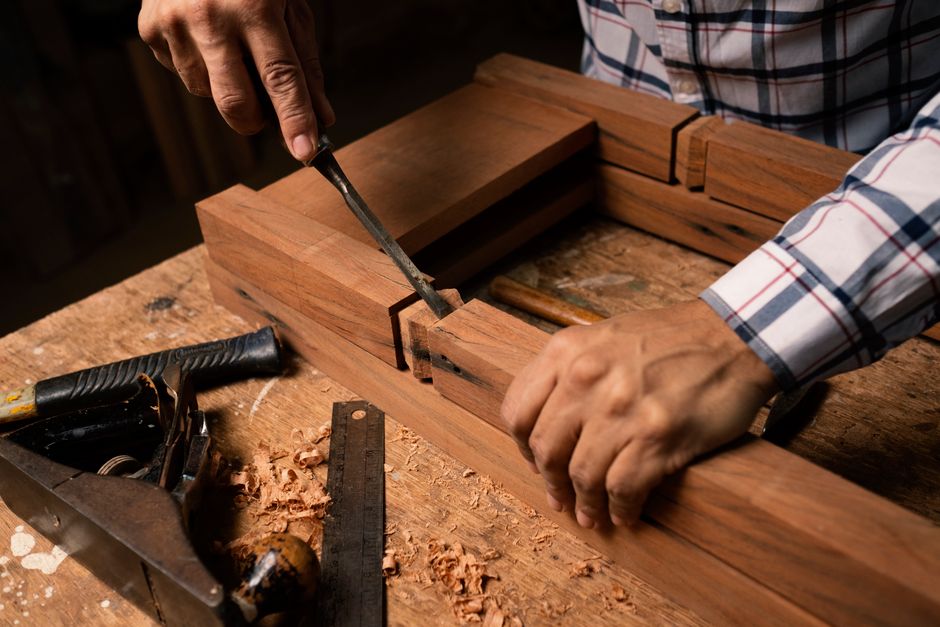
- Mortise and Tenon: This classic joint is known for its strength and is ideal for frames.
- Dovetail Joints: Commonly used in drawers, dovetails provide both strength and visual interest.
- Pocket Hole Joinery: A quick and easy method for joining wood at angles, perfect for beginners.
Achieving a Professional Finish
To achieve a professional look, pay attention to the finishing process. Here are some tips:
- Sanding: Always sand your wood thoroughly to achieve a smooth surface before applying any finish.
- Staining: Test stains on scrap pieces to see how they interact with your chosen wood.
- Sealing: Use a good quality finish, like polyurethane, to protect your furniture and enhance its appearance.
Conclusion
Choosing the right wood for your DIY furniture projects doesn't have to be a daunting task. By selecting cost-effective options like pine, poplar, plywood, and birch, you can create stunning furniture pieces without overspending. Remember to focus on precision in joinery and a professional finish to bring your creations to life. With resources like Ted Woodworking, you can find the guidance you need to succeed in your woodworking endeavors.
FAQ
1. What is the cheapest wood for furniture making?
Pine is often considered the cheapest wood for furniture making due to its availability and low cost.
2. Can I use plywood for making furniture?
Yes, plywood is a great option for furniture due to its strength and versatility, especially for larger projects.
3. How do I achieve a professional finish on my furniture?
To achieve a professional finish, focus on thorough sanding, use high-quality stains and finishes, and consider multiple coats for durability.
📚 Related Articles
🔨 Want 16,000+ Woodworking Plans?
Get instant access to step-by-step plans with blueprints and cut lists.
Get Instant Access →