Which Wood Glue Is Best for Strong and Durable Joints?
When it comes to building furniture, one of the most crucial decisions you’ll make is selecting the right wood glue. A strong and durable joint can be the difference between a piece that lasts for generations and one that falls apart after a few months. In this guide, we’ll explore the different types of wood glue, their uses, and how to choose the best one for your projects.
Understanding Wood Glue Types
Before diving into which wood glue is best, it’s important to understand the various types available. Each type has its own strengths and weaknesses:
- PVA Glue (Polyvinyl Acetate): This is the most common type of wood glue. It dries clear and is easy to clean up with water. PVA is ideal for indoor projects and provides a strong bond.
- Polyurethane Glue: Known for its water resistance, polyurethane glue expands as it cures, making it great for outdoor projects. However, it can be messy and requires more careful application.
- Epoxy: Epoxy is a two-part adhesive that creates a very strong bond. It’s excellent for filling gaps and is also resistant to water and heat. This makes it suitable for intricate joints and repairs.
- Hide Glue: This traditional glue is made from animal collagen. It’s reversible with heat and moisture, making it suitable for antique restorations. However, it requires specific application techniques.
- CA Glue (Cyanoacrylate): Also known as super glue, CA glue is fast-setting and great for small repairs or quick assembly. It’s not ideal for structural joints.
Choosing the Right Wood Glue
Now that you know the different types of wood glue, here’s how to choose the right one for your project:
- Consider the Project Location: If your furniture will be used outdoors or in a humid environment, opt for a waterproof glue like polyurethane or epoxy.
- Evaluate the Joint Type: For edge-to-edge joints, PVA glue is typically sufficient. For complex joints, consider epoxy for its gap-filling properties.
- Think About Cleanup: If you prefer easy cleanup, PVA is your best bet since it can be cleaned with water before it dries.
- Assess the Finish: If the appearance of the joint is critical, choose a glue that dries clear, like PVA or epoxy, to maintain a clean look.
How to Use Wood Glue Effectively
Using wood glue is straightforward, but following proper techniques will ensure your joints are strong and durable. Here’s a step-by-step guide:
- Prepare the Surfaces: Ensure that the surfaces to be glued are clean and free of dust, grease, or old glue. Sanding the wood lightly will help the glue adhere better.
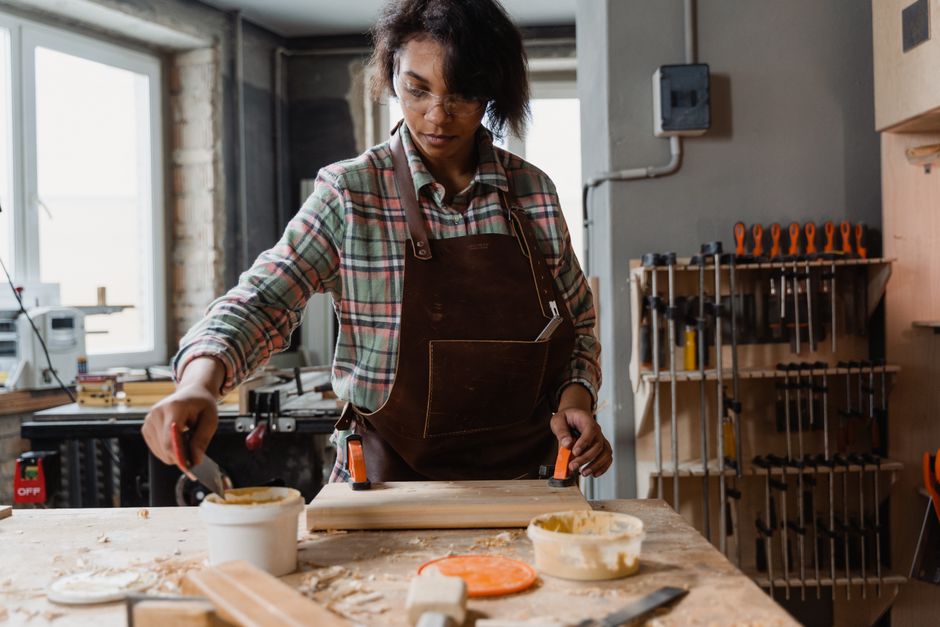
- Apply the Glue: Depending on the type of glue, apply a thin, even layer to one surface. For PVA, use a brush or your finger to spread it out. For epoxy, mix the two components as instructed and apply.
- Join the Pieces: Press the pieces together firmly. For butt joints, align the edges carefully. For more complex joints, ensure all parts fit snugly.
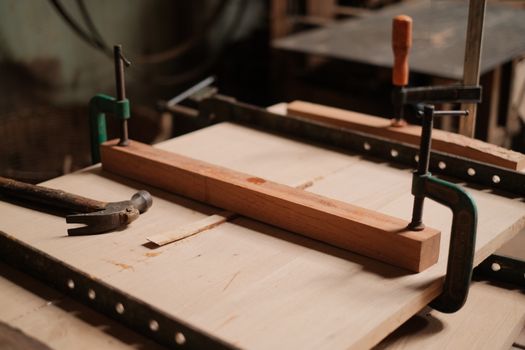
- Clamp the Joint: Use clamps to hold the pieces together while the glue dries. This is crucial for achieving a strong bond. Follow the glue’s instructions for drying times.
- Clean Up Excess Glue: Wipe away any excess glue with a damp cloth before it dries. This will make finishing your project easier.
- Allow to Cure: Let the glue cure fully before using the furniture. This can take anywhere from a few hours to a full day, depending on the adhesive used.
Recommended Wood Glue Brands
Here are some reliable wood glue brands to consider for your projects:
- Titebond: Known for their PVA glues, Titebond offers various formulations, including Titebond III, which is waterproof.
- Gorilla Glue: Their polyurethane glue is popular for its strength and water resistance, making it great for outdoor projects.
- Elmer’s Glue: A household name, Elmer’s offers reliable PVA glue that is easy to find and use.
- West System: This brand specializes in epoxy, providing strong and reliable adhesives for woodworking.
If you’re looking for project ideas and detailed plans, consider checking out Ted Woodworking. Their extensive collection of woodworking plans can help guide you in your furniture building journey.
Conclusion
Selecting the right wood glue is essential for creating strong and durable joints in your furniture projects. By understanding the types of glue available and how to apply them correctly, you can ensure that your pieces are built to last. Remember to choose the glue that best fits your project’s needs, and don’t hesitate to explore additional resources like Ted Woodworking for inspiration and guidance.
FAQ
- What is the strongest type of wood glue? Epoxy is generally considered the strongest type of wood glue, especially for complex or load-bearing joints.
- Can I use wood glue on plywood? Yes, wood glue works well on plywood, but ensure that the surfaces are clean and well-prepared for the best bond.
- How long does wood glue take to dry? Drying times vary by glue type; PVA glues typically take 30 minutes to an hour to set, while epoxy may take several hours to cure fully.
📚 Related Articles
🔨 Want 16,000+ Woodworking Plans?
Get instant access to step-by-step plans with blueprints and cut lists.
Get Instant Access →