Understanding Wood Types: Plywood vs Solid Wood
When it comes to furniture building, the choice between plywood and solid wood is crucial. Each material has distinct characteristics that can affect the final product's durability, aesthetics, and functionality. In this article, we will dive deep into the considerations for choosing between plywood and solid wood, focusing on advanced techniques such as joinery, precision, and achieving a professional finish.
The Merits of Solid Wood
Solid wood, derived from a single piece of lumber, is often valued for its natural beauty, durability, and ability to be refinished multiple times. Here are some key advantages of using solid wood:
- Strength and Durability: Solid wood furniture can withstand significant wear and tear, making it ideal for items like tables and chairs that require stability.
- Aesthetic Appeal: The natural grain patterns and colors of solid wood give furniture a unique and high-end appearance.
- Refinishing Potential: Solid wood can be sanded and refinished, allowing for customization and longevity.
- Joinery Options: Advanced joinery techniques such as dovetail, mortise and tenon, and finger joints can be effectively employed with solid wood, providing not only structural integrity but also visual interest.
Advanced Joinery Techniques with Solid Wood
When working with solid wood, you have the opportunity to use sophisticated joinery methods that enhance both strength and aesthetics. For instance:
- Dovetail Joints: Ideal for drawer construction, these joints provide exceptional resistance to being pulled apart.
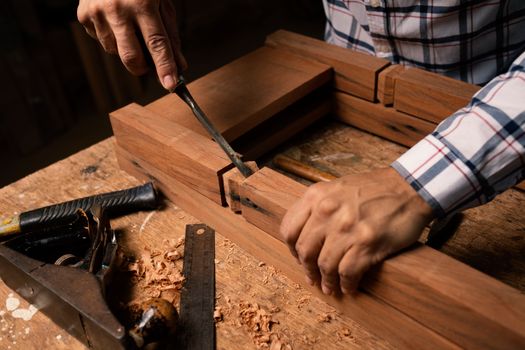
- Mortise and Tenon Joints: A classic technique for frame construction, it allows for strong and precise connections between pieces.
- Finger Joints: These joints create a beautiful visual effect while also providing strength, especially in long pieces.
The Advantages of Plywood
Plywood is made from thin layers (or plies) of wood veneer that are glued together. While it may not carry the same prestige as solid wood, it has its own set of benefits:
- Stability: Plywood is less prone to warping and cracking compared to solid wood, making it a reliable choice for large surfaces.
- Cost-Effective: Generally, plywood is more affordable than solid wood, allowing for budget-friendly projects without compromising on quality.
- Versatile Applications: Plywood can be used in various furniture applications, from cabinets to shelving, where strength and stability are key.
- Precision Cutting: Plywood can be easily cut to precise dimensions, making it ideal for intricate designs and modern furniture styles.
Joinery Techniques for Plywood
While plywood does not lend itself to the same level of intricate joinery as solid wood, there are effective methods to join plywood pieces:
- Butt Joints: Simple and effective, butt joints can be reinforced with screws, dowels, or biscuits for added strength.
- Rabbet and Dado Joints: These joints allow for precise fitting and are perfect for creating strong, stable connections in cabinetry.
- Pocket Hole Joints: A quick and efficient method that creates strong joints, especially in cases where traditional joinery is impractical.
Precision and Finishing Techniques
Regardless of whether you choose plywood or solid wood, achieving a professional finish is key to the overall success of your furniture project. Here are several advanced techniques to consider:
- Surface Preparation: Ensure all surfaces are sanded to a smooth finish, as this is critical for stain or paint adhesion. Start with coarse grit and gradually move to finer grits.
- Applying Stain or Finish: Use high-quality stains and finishes to enhance the beauty of the wood. Consider using spray finishes for a more even application.
- Edge Banding: For plywood edges, applying edge banding can provide a seamless look, making your furniture appear more refined.
When to Choose Plywood over Solid Wood
While solid wood is often seen as the gold standard in furniture making, there are specific scenarios where plywood is the better choice:
- Budget Constraints: If you're building multiple pieces or need to stick to a budget, plywood can offer a cost-effective solution.
- Large Scale Projects: For large surfaces, such as tabletops or cabinetry, plywood's stability makes it a practical choice.
- Modern Designs: If your design calls for sleek lines and modern aesthetics, plywood can be cut and shaped to achieve this look more easily than solid wood.
Conclusion
Choosing between plywood and solid wood for your furniture projects depends on various factors, including design intent, budget, and required durability. Solid wood offers unparalleled beauty and the potential for intricate joinery, while plywood provides stability and cost-effectiveness. Ultimately, understanding the strengths and weaknesses of both materials will empower you to make informed decisions that enhance your furniture craftsmanship.
For detailed plans and guidance on various woodworking projects, consider resources like Ted Woodworking, which offers a wealth of designs to inspire your next build.
FAQ
1. Can I use plywood for outdoor furniture?
Yes, but ensure you use exterior-grade plywood and apply a weather-resistant finish to enhance its durability.
2. Is plywood as strong as solid wood?
Plywood is strong in terms of resistance to warping and splitting, but solid wood typically offers greater overall strength, especially in heavy-use applications.
3. How do I choose the best type of wood for my project?
Consider factors such as the intended use, desired aesthetics, budget, and whether you require specific joinery techniques when selecting wood.
📚 Related Articles
🔨 Want 16,000+ Woodworking Plans?
Get instant access to step-by-step plans with blueprints and cut lists.
Get Instant Access →