Introduction
Building your own bed frame can be an exciting project, especially for beginners looking to venture into woodworking. One of the first decisions you'll face is whether to use pocket holes or dowels for your joinery. Both methods have their pros and cons, and the right choice can make a significant difference in the overall strength and appearance of your bed frame. In this article, we'll break down each method to help you make an informed decision.
Understanding Pocket Holes
Pocket holes are a popular choice among woodworkers for their simplicity and strength. This method involves drilling angled holes into one piece of wood and then using screws to connect it to another piece. Here are some key points to consider:
- Ease of Use: Pocket hole jigs are straightforward to use and require minimal setup. If you're new to woodworking, this method can be very accommodating.
- Speed: The assembly process is quick. You can easily drill pocket holes and screw the pieces together in a fraction of the time it would take to set up dowels.
- Adjustability: If you make a mistake, it's easier to correct with pocket holes by simply unscrewing and re-adjusting your pieces.
- Strength: When done correctly, pocket holes can create a strong joint that stands up to the stresses of everyday use.
- Aesthetic Considerations: While pocket holes can be hidden with wood plugs, they may not offer the same clean look as dowel joints.
Understanding Dowels
Dowel joints are another method for joining wood pieces, often favored for their clean, seamless appearance. This technique involves drilling matching holes into two pieces of wood and inserting wooden dowels to hold them together. Here’s what you should know about dowels:
- Appearance: Dowel joints can provide a more professional look, as they are often less visible than pocket holes.
- Strength: Dowels can create a very strong joint when properly glued and aligned, making them great for structural components.
- Precision Required: This method requires more precise drilling and alignment, which can be challenging for beginners.
- Time-Consuming: Setting up dowel joints can take longer than pocket holes, as you need to ensure everything is aligned correctly.
- Tools Needed: You will need a doweling jigs and clamps, which may require a bit more investment if you don't already have them.
Comparing Pocket Holes and Dowels
When deciding between pocket holes and dowels, consider the following factors:
- Skill Level: Pocket holes are generally easier to master for beginners, while doweling requires more precision.
- Time Constraints: If you're looking for a quick build, pocket holes can save you time.
- Aesthetic Preferences: If the look of your furniture is essential, you may prefer dowels for their clean finish.
- Tool Availability: Consider the tools you have on hand. If you already own a pocket hole jig, it might be the easier choice. If you have a doweling jig, you might lean towards dowels.
Step-by-Step Guide to Using Pocket Holes
If you decide to go with pocket holes, here’s a simple guide to get you started:
- Gather Your Tools: You will need a pocket hole jig, drill, screws, and a clamp.
- Set Up the Jig: Adjust the jig according to the thickness of the wood you are using.
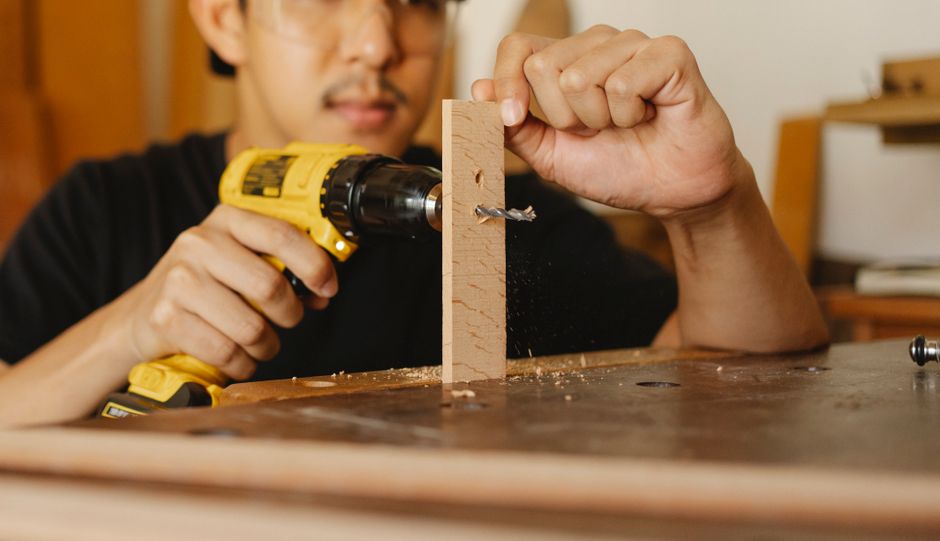
- Drill Pocket Holes: Clamp your wood securely and drill at the recommended angle.
- Assemble the Frame: Align the pieces and use screws to connect them through the pocket holes.
- Finish Up: Use wood plugs to fill the holes for a cleaner look.
Step-by-Step Guide to Using Dowels
If you opt for dowels, follow these steps:
- Gather Your Tools: You will need a doweling jig, drill, dowels, and wood glue.
- Mark Your Holes: Carefully measure and mark where you will drill your dowel holes on both pieces of wood.
- Drill Holes: Use the doweling jig to drill matching holes into both pieces.
- Insert Dowels: Apply wood glue into the holes and on the dowels, then insert the dowels into one piece of wood.
- Assemble the Frame: Align the other piece and press it onto the dowels, clamping it until the glue dries.
Final Thoughts
Your choice between pocket holes and dowels ultimately comes down to personal preference, the tools you have available, and your skill level. Both methods can create a sturdy and beautiful bed frame when executed correctly. If you are looking for detailed plans to help guide you through your project, consider checking out Ted Woodworking, which offers a variety of woodworking plans for all skill levels.
FAQ
1. Can I use both pocket holes and dowels in the same project?
Yes, many woodworkers use both methods to take advantage of their respective strengths. For example, you might use pocket holes for frame assembly and dowels for attaching a headboard.
2. Are pocket holes or dowels stronger?
Both methods can create strong joints, but dowels may offer slightly more strength when glued properly. That said, pocket holes are more than sufficient for most furniture projects.
3. What tools do I need for each method?
For pocket holes, you need a pocket hole jig, drill, and screws. For dowels, you'll need a doweling jig, drill, dowels, and wood glue. Basic clamps are helpful for both methods.
📚 Related Articles
🔨 Want 16,000+ Woodworking Plans?
Get instant access to step-by-step plans with blueprints and cut lists.
Get Instant Access →