How to Make a Stylish Dresser from Reclaimed Wood
If you're looking to add both style and sustainability to your bedroom, building a dresser from reclaimed wood is a fantastic project. Not only does it allow you to create a unique piece of furniture, but it also gives new life to materials that might otherwise end up in a landfill. In this article, we'll explore advanced techniques focusing on joinery, precision, and achieving a professional finish.
Choosing Your Reclaimed Wood
Before diving into the construction, it's crucial to select the right reclaimed wood. Look for materials that are structurally sound and free of major defects. Here are some tips for selecting your wood:
- Source Quality Wood: Visit local reclaimed wood suppliers or salvage yards.
- Inspect for Damage: Look for signs of rot, insect damage, or warping.
- Consider Wood Types: Hardwoods like oak or walnut provide durability and beauty.
Designing Your Dresser
Once you have your wood, it's time to design your dresser. Using software or graph paper, sketch out your design, considering dimensions and layout. Be sure to include:
- Overall dimensions
- Drawer sizes and configuration
- Leg styles and height
For detailed designs, consider using resources like Ted Woodworking, which offers comprehensive plans for furniture projects.
Joinery Techniques for Strength and Aesthetics
The joinery you choose will significantly impact the strength and appearance of your dresser. Here are some advanced techniques to consider:
Mortise and Tenon Joints
This classic joinery method is both strong and visually appealing. It involves cutting a rectangular hole (mortise) into one piece of wood and a corresponding projection (tenon) on another piece. Here’s how to create this joint:
- Measure and mark your mortise on the side panel.
- Use a chisel and mallet to hollow out the mortise.
- Cut the tenon on the end of the rail, ensuring a snug fit.
- Glue and clamp the joint until dry.
Dovetail Joints
Dovetail joints are ideal for drawer construction, providing both strength and a decorative touch. Follow these steps:
- Prepare your drawer front and sides, ensuring they are the same thickness.
- Mark the dovetail shapes on the ends of the drawer sides.
- Cut the tails on the sides and the pins on the drawer front using a dovetail saw.
- Assemble with glue, clamping until the joint is secure.
Achieving Precision in Your Cuts
Precision is key in woodworking, especially when working with reclaimed materials that might not be uniform in thickness. Here are some tips to ensure your cuts are accurate:
- Use a Table Saw: For straight cuts, a table saw provides the most precision.
- Square Your Edges: Running rough-sawn wood through a jointer can create square edges.
- Measure Twice, Cut Once: Always double-check your measurements before making cuts.
Finishing Techniques for a Professional Look
After assembling your dresser, a proper finish will enhance its beauty and protect the wood. Here’s how to achieve a professional finish:
Sanding
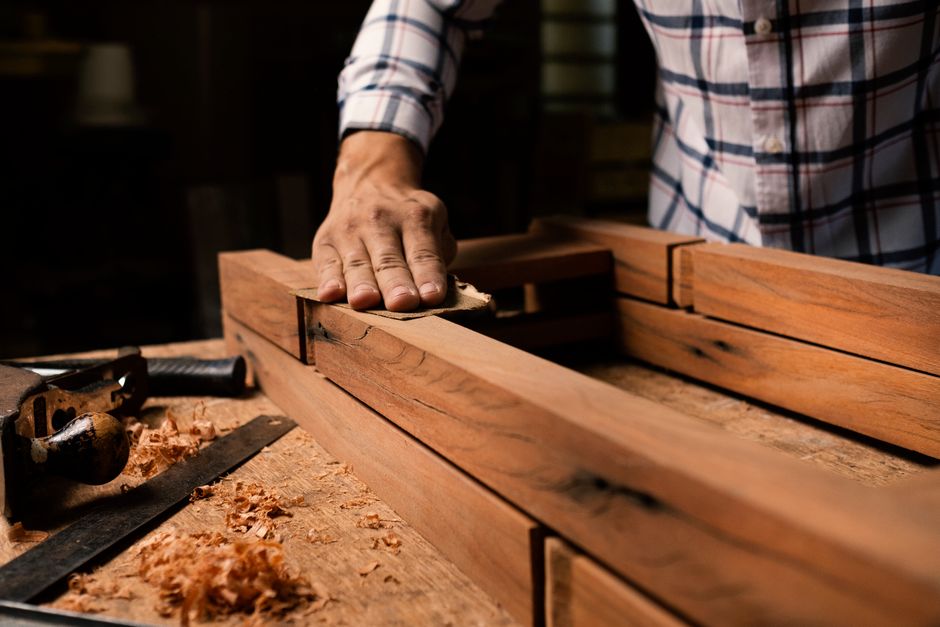
Start with a coarse grit sandpaper (around 80-grit) and work your way up to finer grits (220-grit). Pay attention to:
- Edges and corners for a smooth feel.
- Removing any rough patches or splinters.
Staining
To bring out the character of reclaimed wood, apply a wood stain. Consider the following:
- Test the stain on a scrap piece first.
- Apply evenly with a brush or cloth, wiping off excess.
Sealing
Once the stain is dry, use a clear finish to protect the wood. Options include:
- Polyurethane: Durable and water-resistant.
- Shellac: Gives a warm tone and dries quickly.
Final Assembly and Installation
With the finish applied, it’s time to put everything together:
- Attach the legs securely to the base.
- Install drawer slides and fit the drawers into their openings.
- Ensure all components are level and aligned.
After assembly, take a step back and admire your work. Your stylish dresser made from reclaimed wood is now ready to serve your bedroom!
FAQ
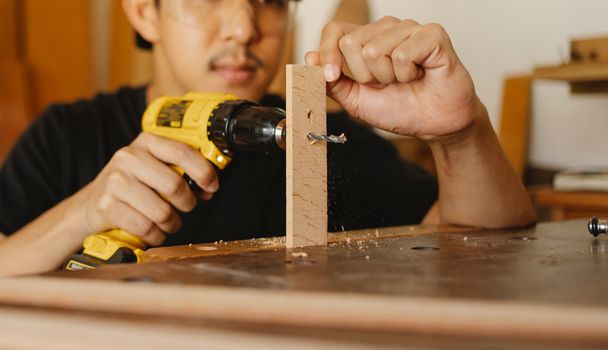
- What tools do I need to build a dresser? Basic tools include a table saw, miter saw, drill, clamps, and chisels for joinery.
- How can I ensure my reclaimed wood is safe to use? Inspect for mold, rot, and chemical treatments; sanding can help remove surface contaminants.
- Can I use other types of wood for my dresser? Yes, you can mix reclaimed wood with new materials, but ensure they have similar properties for best results.
📚 Related Articles
🔨 Want 16,000+ Woodworking Plans?
Get instant access to step-by-step plans with blueprints and cut lists.
Get Instant Access →