Introduction
Reclaimed wood has gained immense popularity in recent years, not just for its aesthetic appeal but also for its sustainability. Using reclaimed wood for bedroom furniture is an excellent way to create unique pieces while minimizing environmental impact. However, working with reclaimed wood comes with its own set of challenges. In this guide, we will explore advanced woodworking techniques, focusing on joinery, precision, and achieving a professional finish with reclaimed wood pieces.
Understanding Reclaimed Wood
Before diving into the building process, it's crucial to understand what reclaimed wood is. Reclaimed wood is salvaged from old structures, furniture, or other items. This wood often carries unique characteristics and histories that can add depth to your furniture.
Advantages of Using Reclaimed Wood
- Sustainability: Reclaimed wood reduces the demand for new lumber, making it an eco-friendly choice.
- Character: Each piece of reclaimed wood has its own story, with unique grain patterns and colors.
- Durability: Many reclaimed woods are from old-growth trees, making them denser and more durable than modern lumber.
Challenges of Working with Reclaimed Wood
- Inconsistency: Reclaimed wood can vary significantly in size, density, and moisture content, requiring careful selection and preparation.
- Contaminants: Older wood may contain nails, screws, or chemicals that necessitate thorough inspection and treatment.
- Joinery Difficulties: The irregularities in reclaimed wood can complicate traditional joinery techniques.
Preparing Reclaimed Wood for Furniture Construction
Preparation is key when working with reclaimed wood. Here are steps to ensure your wood is ready for your bedroom furniture project:
- Inspection: Thoroughly inspect each piece for contaminants, such as nails or screws, and remove them carefully.
- Cleaning: Clean the wood to remove dirt, grease, or old finishes. This can be done with a wire brush or sandpaper.
- Moisture Testing: Use a moisture meter to check the moisture content of the wood. Aim for a moisture content of around 6-8% for indoor furniture.
- Planing: Plane the wood to create a uniform thickness and remove any surface imperfections.
- Jointing: Joint edges to ensure they are straight and square, which is crucial for precision joinery.
Advanced Joinery Techniques for Reclaimed Wood
Using reclaimed wood requires advanced joinery techniques to achieve strong, precise connections. Here are a few methods to consider:
Dovetail Joints
Dovetail joints are renowned for their strength and aesthetic appeal, making them perfect for drawer construction in bedroom furniture.
- Technique: Use a dovetail jig to ensure precision. Cut the tails and pins meticulously to fit snugly.
- Advantages: Dovetail joints provide excellent resistance to being pulled apart and add a decorative touch.
Mortise and Tenon Joints
This traditional joint is ideal for structural connections, such as attaching legs to a tabletop.
- Technique: Cut mortises in one piece and tenons on the other. Ensure a tight fit for maximum strength.
- Finishing: Consider adding glue to the joint for added stability, but be cautious with reclaimed wood as it may have variations in density.
Pocket Hole Joints
While not as traditional as dovetail or mortise and tenon, pocket hole joints can be effective for hidden connections.
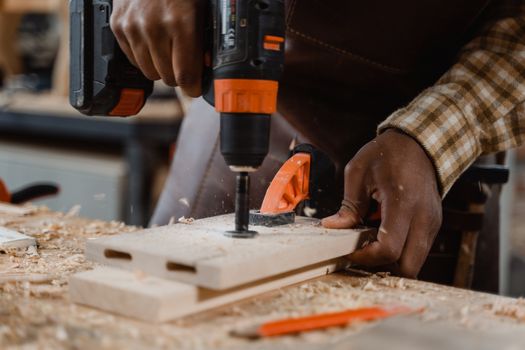
- Technique: Use a pocket hole jig to drill angled holes for screws that connect pieces from the back side.
- Applications: Great for attaching backs to dressers or panels to frames without visible hardware.
Achieving a Professional Finish
A professional finish can elevate your reclaimed wood furniture. Here’s how to achieve that:
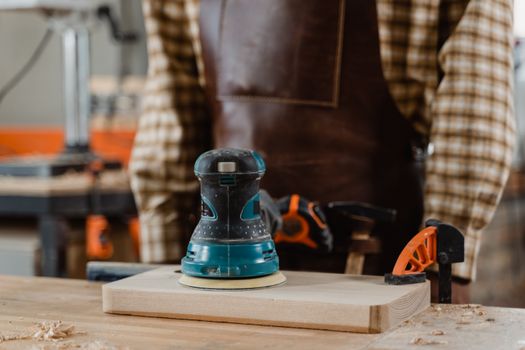
- Sanding: Start with coarse grit sandpaper and progress to finer grits. Ensure smoothness, especially on edges.
- Staining: If desired, apply a wood stain to enhance the grain. Test on a scrap piece first to gauge the color.
- Sealing: Use a quality polyurethane or oil finish to protect the wood and highlight its character.
- Buffing: After the finish dries, buff the surface lightly with a soft cloth to achieve a subtle sheen.
Finding Resources for Your Project
For those looking to create their own reclaimed wood bedroom furniture, resources like Ted Woodworking offer a plethora of plans and guides. Whether you’re a beginner or an advanced woodworker, you can find detailed blueprints to help you through the process.
Conclusion
Using reclaimed wood for bedroom furniture is an exciting and rewarding endeavor. By understanding the material, employing advanced joinery techniques, and achieving a professional finish, you can create stunning pieces that are not only functional but also rich in character and history. Embrace the challenge, and let your creativity shine through in your next woodworking project.
FAQ
Can I use reclaimed wood for any type of bedroom furniture?
Yes, reclaimed wood can be used for various types of bedroom furniture including beds, dressers, nightstands, and more. Just ensure the wood is properly prepared and treated.
What type of finish is best for reclaimed wood furniture?
A clear polyurethane or natural oil finish works well to protect reclaimed wood while enhancing its natural beauty. Choose based on the desired sheen and durability.
Are there specific joinery techniques recommended for reclaimed wood?
Yes, techniques such as dovetail joints, mortise and tenon joints, and pocket hole joints are recommended for their strength and precision, especially given the irregularities of reclaimed wood.
📚 Related Articles
🔨 Want 16,000+ Woodworking Plans?
Get instant access to step-by-step plans with blueprints and cut lists.
Get Instant Access →