Introduction
When it comes to DIY storage furnishings, the right paint technique can make all the difference. Not only does paint enhance the aesthetic appeal of your pieces, but it also protects the wood from wear and tear. In this article, we will explore various paint techniques that work best for DIY storage furniture, including the essential tools you'll need and their pros and cons.
Choosing the Right Paint Technique
Before diving into the different techniques, it's important to consider the type of storage furniture you are building. Whether it's a simple bookshelf, a chest of drawers, or a multi-purpose storage unit, each piece may require a different approach. Here are some popular paint techniques:
1. Brush Painting
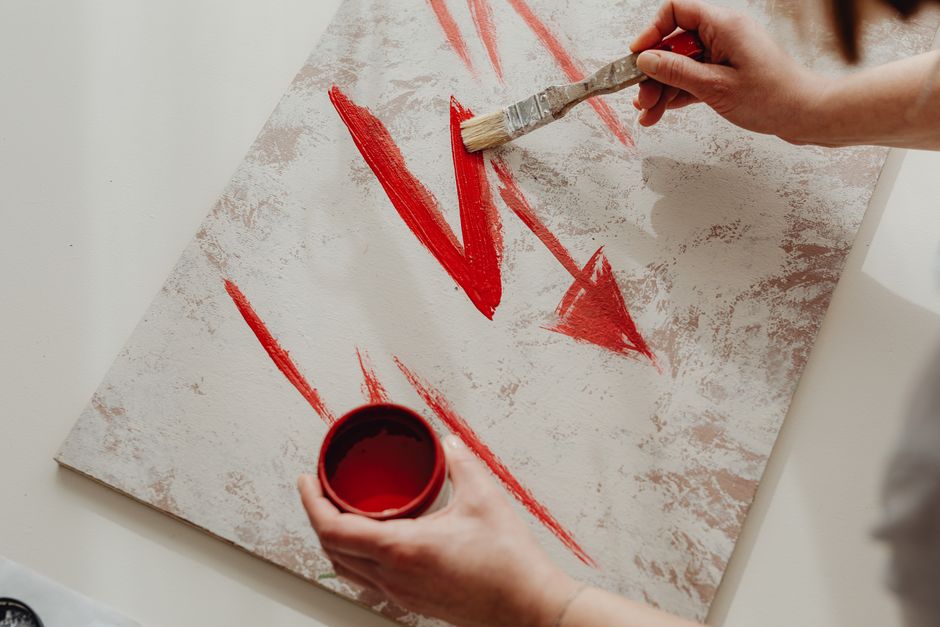
Brush painting is the most common technique for DIY projects. It allows for precise application and is great for detailed work.
- Pros: High level of control, ideal for intricate designs.
- Cons: Can leave brush strokes, requires more cleanup.
For brush painting, I recommend a quality brush set such as the Wooster Brush 2-Inch Angle Sash Paintbrush. It provides excellent coverage and durability.
2. Spray Painting
Spray painting is a quick and efficient method, especially for larger surfaces.
- Pros: Smooth finish, fast application.
- Cons: Requires more preparation, overspray can be an issue.
For spray painting, consider using the Rust-Oleum Universal All Surface Spray Paint. It works on wood, metal, and more, providing a durable finish.
3. Rolling
Using a roller can be an effective way to cover large areas quickly.
- Pros: Fast application, fewer brush strokes.
- Cons: May not reach tight corners or detailed areas.
The Purdy 9-Inch Roller Cover is an excellent choice, especially for its ability to hold a lot of paint and provide a smooth finish.
4. Stenciling
Stenciling adds a unique design element to your storage furniture.
- Pros: Creative designs, affordable.
- Cons: Can be time-consuming, requires precision.
For stenciling, the FolkArt Stencil Set offers a variety of designs perfect for furniture projects.
5. Distressing
This technique gives your storage furniture a vintage look by deliberately aging the paint.
- Pros: Unique character, hides imperfections.
- Cons: Requires practice to get the desired effect.
To distress furniture, you'll need a sanding block and a good quality paint like Chalk Paint by Annie Sloan, which is perfect for achieving that aged look.
Essential Tools for Painting Storage Furniture
Regardless of the techniques you choose, having the right tools is essential. Here are some tools that will help you achieve a professional finish:
- Paint Sprayer: A paint sprayer, like the Graco Ultra Cordless Airless Handheld Paint Sprayer, provides an even coat on large surfaces but can be expensive and requires practice to master.
- Paint Brushes: A good set of brushes, such as Purdy’s Clearcut Angular Sash Brush, is vital for detail work and edges.
- Rollers: Rollers can speed up the process for larger areas. Wooster’s 9-Inch Roller Frame is a reliable choice.
- Sandpaper: Sanding is crucial for preparing surfaces. Use a variety of grits, starting from coarse to fine.
- Drop Cloths: Protect your workspace with durable drop cloths.
Planning Your Project with Ted’s Woodworking Plans
For those who are new to woodworking or need a little extra guidance, consider using Ted Woodworking plans. They offer detailed blueprints and step-by-step instructions for a wide variety of storage furniture projects, making the process of building and finishing your pieces much easier.
Conclusion
Choosing the right paint technique for your DIY storage furnishings can elevate the overall look and durability of your projects. Whether you opt for brush painting, spray painting, or more creative methods like stenciling and distressing, having the right tools is essential for achieving a professional finish. Remember to select paints that suit your style and the intended use of the furniture. Happy building!
FAQ
- What type of paint is best for storage furniture?
Water-based acrylic paints are generally recommended for furniture because they are durable, easy to clean, and have low VOC levels.
- How do I prepare wood for painting?
Sand the surface to remove any imperfections, clean it thoroughly, and apply a primer if necessary.
- Can I use spray paint on wood furniture?
Yes, but it is essential to use a primer designed for wood for the best adhesion and finish.
📚 Related Articles
🔨 Want 16,000+ Woodworking Plans?
Get instant access to step-by-step plans with blueprints and cut lists.
Get Instant Access →