Introduction
Building your own storage furniture can be a rewarding project that not only adds functional space to your home but also allows you to express your creativity. Whether you're looking to construct a bookshelf, a cabinet, or a simple storage box, having the right tools is crucial.
This guide will help you understand which tools are essential for building storage furniture, focusing on simplicity and accessibility for beginners.
Basic Hand Tools
Before diving into power tools, it's important to have a solid foundation with hand tools. Here are some basic hand tools you will need:
- Measuring Tape: Accurate measurements are crucial in woodworking. A 25-foot measuring tape is a good choice for most projects.
- Square: A carpenter's square helps ensure your cuts are straight and your corners are square, which is essential for assembly.
- Hand Saw: While power saws are popular, a hand saw can be sufficient for smaller projects or detailed cuts.
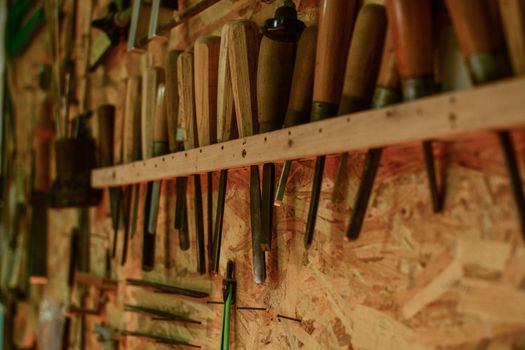
- Chisels: A set of chisels can help you create clean joints and edges. Start with a few basic sizes.
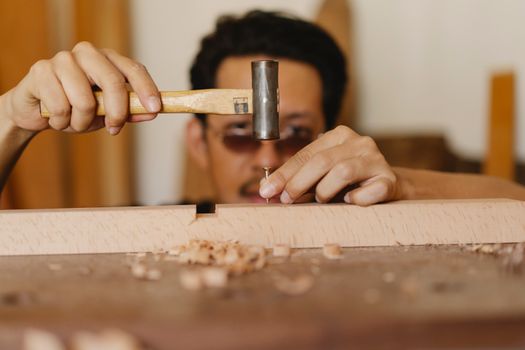
- Hammer: A good hammer is essential for driving nails and assembling components.
- Screwdrivers: Both flathead and Phillips screwdrivers are necessary for various screws you'll encounter.
- Pliers: Useful for gripping, twisting, and pulling nails or other small items.
Essential Power Tools
Once you feel comfortable with hand tools, you can explore some essential power tools that will make your woodworking projects easier:
- Circular Saw: This tool is perfect for making straight cuts in plywood and other sheet goods. It's versatile and can handle a variety of materials.
- Jigsaw: Ideal for cutting curves and intricate shapes, a jigsaw is a valuable addition to your tool collection.
- Drill/Driver: A cordless drill is essential for drilling holes and driving screws. Look for a model that offers multiple speeds and torque settings.
- Sander: A random orbital sander will help you achieve a smooth finish on your projects, making it easier to stain or paint later.
- Router: A router is great for adding decorative edges and making joints. It can open up a lot of creative possibilities in your projects.
Additional Tools
As you progress in your woodworking skills, you may want to invest in some additional tools:
- Table Saw: If you plan to work with larger pieces of wood frequently, a table saw can save you time and provide more accurate cuts.
- Miter Saw: This tool is useful for making precise crosscuts and angled cuts, perfect for frames and trim work.
- Clamps: A variety of clamps will help hold your pieces together while the glue dries or while you fasten them.
- Dust Collection System: Keeping your workspace clean is important. A dust collection system or shop vacuum will help manage sawdust and debris.
- Safety Gear: Don’t forget safety goggles, ear protection, and a dust mask to keep yourself safe while working.
Where to Find Plans
Once you have your tools ready, you’ll need some plans to get started. One great resource is Ted Woodworking, which offers a vast library of woodworking plans suitable for beginners to advanced woodworkers. These plans provide detailed instructions and materials lists, making it easier to tackle your projects.
Getting Started with Your First Project
Now that you've gathered your tools and found some plans, it's time to start your first storage furniture project. Here’s a simple step-by-step guide:
- Choose Your Project: Select a simple storage project, such as a small bookshelf or a wooden crate.
- Gather Materials: Use the plans you found to list all needed materials. Purchase quality wood that fits your budget.
- Measure and Cut: Use your measuring tape and square to mark your wood accurately before cutting.
- Assemble Pieces: Use wood glue and screws or nails to put your project together. Clamps can help hold everything in place while you fasten it.
- Sand and Finish: Once assembled, sand the surfaces smooth and apply your choice of finish, whether paint, stain, or varnish.
Remember, take your time, and don’t be afraid to ask for help or consult online resources if you get stuck.
Conclusion
Building your own storage furniture is a fulfilling endeavor that can save you money and allow for personalized designs. By starting with essential tools and gradually expanding your collection, you’ll be well on your way to becoming a confident woodworker. With resources like Ted Woodworking to guide you through your projects, you'll find that creating beautiful storage solutions is within your reach.
FAQ Section
1. What is the best wood for beginners to use for storage furniture?
Pine and plywood are excellent choices for beginners due to their availability, cost-effectiveness, and ease of work.
2. Do I need a workshop to build storage furniture?
No, you can build storage furniture in a garage, basement, or even outdoors, as long as you have a suitable workspace.
3. Can I build storage furniture without power tools?
Yes, you can build furniture with just hand tools, but it may take more time and effort. Start simple, and as you gain experience, consider adding power tools.
📚 Related Articles
🔨 Want 16,000+ Woodworking Plans?
Get instant access to step-by-step plans with blueprints and cut lists.
Get Instant Access →