Introduction
Finishing is often considered the final touch in woodworking that can make or break your project. For beginners, it can be daunting to navigate through various finishing techniques, products, and tools. Many mistakes can occur, leading to unsatisfactory results. In this article, we will discuss common finishing mistakes that beginners should avoid and recommend specific tools that can help you achieve a flawless finish.
Common Finishing Mistakes to Avoid
1. Skipping Surface Preparation
One of the most critical steps in finishing is preparing the surface of the wood. Beginners often overlook this step, which can lead to unsatisfactory results.
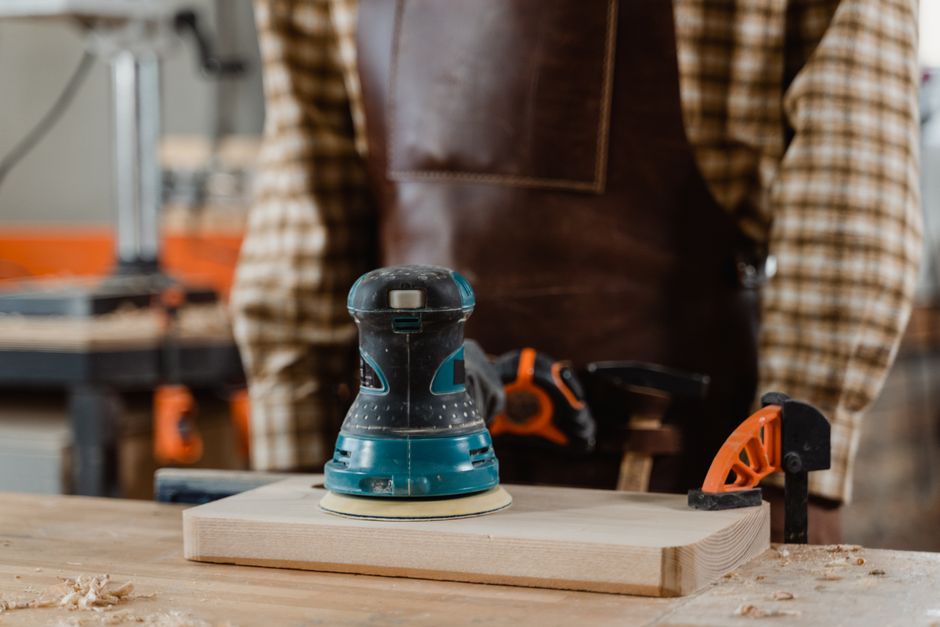
- Solution: Always sand your wood project before applying any finish. Start with a coarse grit sandpaper and gradually move to a finer grit for a smooth surface.
2. Not Testing the Finish
Applying finish directly to your project without testing it first can lead to unwanted surprises.
- Solution: Always test your finish on a scrap piece of the same wood. This allows you to see how the wood reacts and helps you make any necessary adjustments.
3. Using the Wrong Tools
Many beginners use the wrong tools for applying finishes. Brush, spray, or wipe-on finishes each require different application techniques.
- Solution: Invest in high-quality applicators. Here are some tools to consider:
Brushes
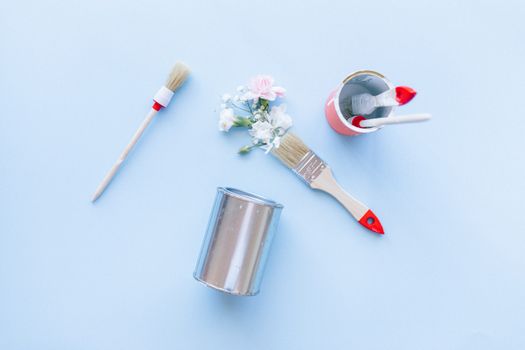
Quality brushes are essential for applying finishes evenly. Look for brushes made from synthetic bristles for water-based finishes and natural bristles for oil-based finishes.
- Pros: Precise application, good for detailed work.
- Cons: Requires cleaning and maintenance.
Spray Guns
Spray guns provide a smooth and even finish, reducing the risk of brush strokes.
- Pros: Fast application, great for large surfaces.
- Cons: More expensive and requires practice to master.
Rags and Wipes
Wipe-on finishes are easy to apply and can be a great option for beginners.
- Pros: Simple application, no brushes to clean.
- Cons: Can lead to uneven coverage if not applied properly.
4. Over-Application of Finish
Applying too much finish can lead to drips, runs, and an uneven appearance.
- Solution: Always apply thin, even coats. It’s better to apply multiple thin coats than one thick one.
5. Ignoring Drying Times
Beginners often underestimate the importance of allowing sufficient drying time between coats.
- Solution: Follow the manufacturer's instructions and allow for adequate drying time before applying additional coats.
6. Not Sanding Between Coats
Failing to sand between coats can lead to poor adhesion and an uneven finish.
- Solution: Lightly sand the surface between coats with fine-grit sandpaper to promote adhesion and improve the final look.
7. Choosing the Wrong Finish
Different types of finishes serve different purposes and choosing the wrong one can lead to disappointment.
- Solution: Research the best finishes for your specific project. For example, oil-based finishes provide a warm glow, while water-based finishes are easier to clean up.
8. Not Considering the Environment
Environmental factors like humidity and temperature can significantly affect the application and drying of finishes.
- Solution: Always check the weather before finishing your project, and try to work in a controlled environment.
Recommended Resources for Beginners
If you're looking for comprehensive plans and guidance on your woodworking projects, consider checking out Ted Woodworking. They offer a wide range of plans suitable for all skill levels, providing clear instructions and tips that can help you avoid common mistakes.
Conclusion
Finishing your woodworking projects doesn't have to be a stressful experience. By avoiding these common mistakes and using the right tools and techniques, you can achieve a beautiful finish that enhances your work. Remember to take your time, test your finishes, and enjoy the process!
FAQ
1. What is the best type of finish for beginners?
Water-based finishes are often recommended for beginners due to their ease of use and cleanup.
2. How many coats of finish should I apply?
Typically, 2-3 coats of finish are recommended for optimal protection and appearance, but always follow the manufacturer's instructions.
3. Can I use a regular paintbrush for applying finish?
While you can use a regular paintbrush, it’s best to use a brush specifically designed for finishing to achieve better results.
📚 Related Articles
🔨 Want 16,000+ Woodworking Plans?
Get instant access to step-by-step plans with blueprints and cut lists.
Get Instant Access →