Introduction
Welcome to the world of woodworking! If you're a newbie looking to dive into building your own furniture, you might wonder what the easiest pieces are to tackle. Fortunately, there are several projects that are beginner-friendly and will help you gain confidence in your skills. In this article, we will explore some of the easiest furniture pieces to build, common mistakes to avoid, and troubleshooting tips to ensure your first projects are successful.
Beginner-Friendly Furniture Projects
When starting out in woodworking, it’s essential to choose projects that are not only simple but also rewarding. Here are a few furniture pieces that are perfect for novices:
1. Coffee Table
- Materials Needed: Plywood or solid wood, wood screws, wood glue, sandpaper, and finish.
- Why It’s Easy: A coffee table typically requires basic cuts and simple joinery. You can create a straightforward rectangular shape with minimal complexity.
- Common Mistakes: Not measuring correctly can lead to an ill-fitting table. Always double-check your measurements before cutting.
2. Bookshelf
- Materials Needed: Plywood, wood screws, shelf brackets, and finish.
- Why It’s Easy: A bookshelf can be as simple as a few boards attached together. You can customize the height and width to fit your space.
- Common Mistakes: Failing to secure the shelves properly can result in instability. Ensure that you use adequate support brackets to hold weight.
3. Simple Bench
- Materials Needed: 2x4 lumber, wood screws, and finish.
- Why It’s Easy: A simple bench can be built with just a few straight cuts and can serve multiple purposes.
- Common Mistakes: Skipping the sanding process can lead to splinters. Always sand your surfaces thoroughly before applying finish.
4. Nightstand
- Materials Needed: Plywood or solid wood, screws, drawer slides (optional), and finish.
- Why It’s Easy: A nightstand typically consists of a simple box design with minimal parts.
- Common Mistakes: Not aligning drawer slides properly can cause issues when opening and closing. Take your time and follow the instructions carefully.
Resources for Plans
One of the best resources for beginner woodworking projects is Ted Woodworking. This site offers a comprehensive collection of plans that cater to all skill levels, including clear instructions, diagrams, and material lists. Whether you choose to build a coffee table or a nightstand, having a good plan is crucial for your success.
Tools You Will Need
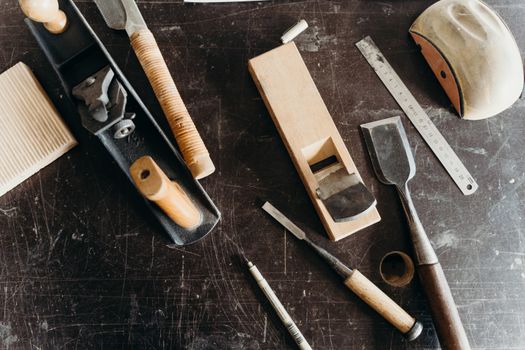
Before you start building, it’s essential to have the right tools. Here’s a list of basic tools you should consider having in your workshop:
- Measuring tape
- Square
- Circular saw or table saw
- Drill
- Sander
- Clamps
- Paintbrush or roller for finishing
Common Mistakes to Avoid
As a woodworking newbie, you may encounter several pitfalls. Here are some common mistakes to avoid:
- Inaccurate Measurements: Always double-check your measurements before making cuts. A small mistake can lead to significant issues.
- Poor Joinery: Ensure your joints are secure. Use wood glue alongside screws or dowels for added strength.
- Rushing the Process: Take your time with each step. Rushing can lead to mistakes, so be patient and focus on quality.
- Neglecting Safety: Always prioritize safety when working with tools. Wear safety goggles and ear protection, and keep your workspace tidy.
Troubleshooting Tips and Fixes
Even with careful planning, you may encounter issues during your woodworking projects. Here are some troubleshooting tips:
- Issue: Uneven cuts
Fix: Ensure your saw is properly calibrated and use a straight edge for guidance. - Issue: Loose joints
Fix: Tighten screws and reapply glue if necessary. Adding dowels can also help reinforce weak joints. - Issue: Splintered wood
Fix: Sand the edges thoroughly before assembly and use a fine-grit sandpaper for a smooth finish.
Conclusion
Building your first piece of furniture can be an exciting journey into the world of woodworking. By choosing beginner-friendly projects like coffee tables, bookshelves, simple benches, and nightstands, you can develop your skills while avoiding common pitfalls. Remember to utilize resources like Ted Woodworking for plans and tips. With patience and practice, you’ll soon find yourself creating beautiful pieces for your home!
FAQs
1. What tools do I need to start woodworking?
Basic tools include a measuring tape, saw, drill, sander, clamps, and safety gear.
2. How do I avoid mistakes when measuring and cutting?
Always double-check your measurements and use a square to ensure straight cuts.
3. Can I learn woodworking without prior experience?
Absolutely! Start with simple projects and follow plans to build your skills gradually.
📚 Related Articles
🔨 Want 16,000+ Woodworking Plans?
Get instant access to step-by-step plans with blueprints and cut lists.
Get Instant Access →