Introduction
When embarking on a furniture-building project, one of the first decisions you'll face is what type of wood to use. Oriented Strand Board (OSB) is a material that often sparks debate among woodworkers. Can it be used for furniture? In this comprehensive review, we will explore the characteristics of OSB, its advantages and disadvantages, and provide troubleshooting tips to help you avoid common mistakes.
Understanding OSB
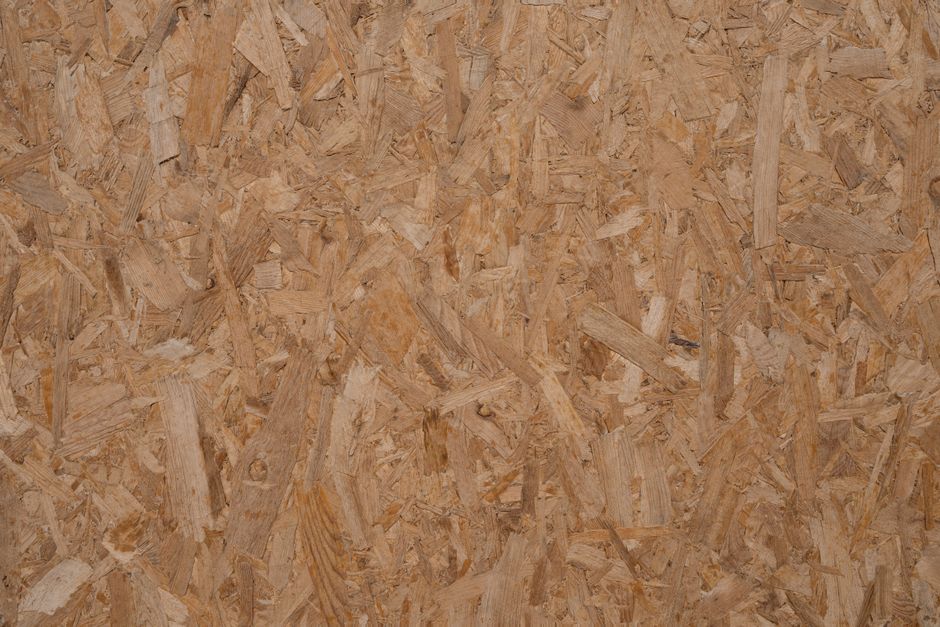
OSB is an engineered wood product made from strands of wood that are oriented in specific directions and bonded together with adhesives under heat and pressure. This process creates a strong, stable panel that is widely used in construction for sheathing, flooring, and roofing. However, its use in furniture-making is less clear-cut.
Pros of Using OSB for Furniture
- Cost-Effective: OSB is generally more affordable than solid wood or plywood, making it an attractive option for budget-conscious projects.
- Strong and Durable: When properly constructed, furniture made from OSB can be quite strong and durable, especially for items that won't experience heavy wear.
- Eco-Friendly Option: OSB is made from fast-growing trees and wood byproducts, which can make it a more sustainable choice compared to traditional hardwoods.
- Easy to Work With: OSB can be cut, shaped, and finished just like other wood products, allowing for a variety of design options.
Cons of Using OSB for Furniture
- Surface Finish: The rough texture of OSB can make it challenging to achieve a smooth finish. It often requires sanding and sealing to look presentable.
- Moisture Sensitivity: OSB can absorb moisture, leading to swelling and warping over time. This makes it less suitable for furniture that will be used in humid environments.
- Heavy Weight: OSB is denser than some other materials, which can make finished pieces heavier and more difficult to move.
- Aesthetic Limitations: OSB has a unique look that may not fit everyone's style, and it might not be suitable for high-end furniture projects.
Common Mistakes to Avoid When Using OSB for Furniture
While OSB can be a viable option for furniture, there are several common mistakes that woodworkers often encounter. Understanding these pitfalls can help you achieve better results.
1. Not Sealing the Surface
One of the biggest mistakes is neglecting to seal the OSB. Because OSB is porous, it can absorb moisture and lead to damage. Always apply a suitable sealant or finish to protect the surface. Look for water-resistant coatings that will help maintain the integrity of your furniture.
2. Skipping the Sanding Process
Due to its rough texture, OSB requires proper sanding to achieve a smooth finish. Skipping this step can result in a less polished appearance. Start with a coarse grit sandpaper to remove rough spots and finish with a fine grit to smooth the surface.
3. Ignoring the Weight Factor
OSB can be significantly heavier than other materials, which can be a disadvantage when designing furniture. Be mindful of this when planning your project, especially for pieces that need to be moved frequently. Consider using lighter materials for components that don't require the strength of OSB.
4. Poor Joint Construction
Using OSB without proper joinery techniques can lead to weak and unstable furniture. Make sure to use strong joints—such as dowels or biscuits—to enhance stability. Avoid relying on screws alone, as OSB can split under stress.
Tips for Working with OSB
Here are some additional tips to help you work effectively with OSB:
- Use High-Quality Tools: Ensure your saw blades and drill bits are sharp to avoid tearing the material.
- Plan Your Cuts: Minimize the number of cuts and plan them strategically to reduce waste and maintain strength.
- Consider Edging: If aesthetics are a concern, consider adding an edge banding to cover the rough edges of the OSB.
- Refer to Plans: For detailed guidance, consider using resources like Ted Woodworking, which offers comprehensive plans for building furniture, including tips for using various materials.
Conclusion
In conclusion, OSB can be a practical choice for furniture projects when used correctly. By understanding its properties and following best practices, you can create durable and unique pieces. Remember to seal, sand, and construct your joints properly to avoid the common pitfalls associated with this material.
FAQ
1. Can I use OSB for outdoor furniture?
While OSB can be treated for moisture resistance, it is generally not recommended for outdoor furniture due to its susceptibility to water damage.
2. How do I finish OSB furniture?
Start by sanding the surface smooth, then apply a primer followed by a suitable paint or sealant to enhance durability and appearance.
3. Is OSB as strong as plywood?
OSB and plywood have different strengths depending on their construction and use. Generally, plywood is considered superior in strength and moisture resistance.
📚 Related Articles
🔨 Want 16,000+ Woodworking Plans?
Get instant access to step-by-step plans with blueprints and cut lists.
Get Instant Access →