Can I Use MDF Instead of Solid Wood for Furniture?
If you are venturing into the world of furniture building, you may be faced with the question of whether to use MDF (Medium-Density Fiberboard) or solid wood for your projects. With budget constraints often at the forefront of DIY endeavors, understanding the differences, advantages, and disadvantages of these materials can be crucial for both cost savings and project success.
Understanding MDF and Solid Wood
Before diving into the specifics of using MDF instead of solid wood, it's important to grasp what each material is made of and how they perform in furniture building.
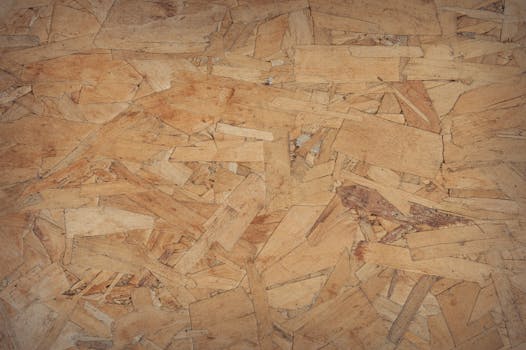
- MDF: MDF is an engineered wood product made from wood fibers, wax, and resin, compressed under heat and pressure. It is known for its smooth surface and uniform density, which makes it ideal for painting and veneering.
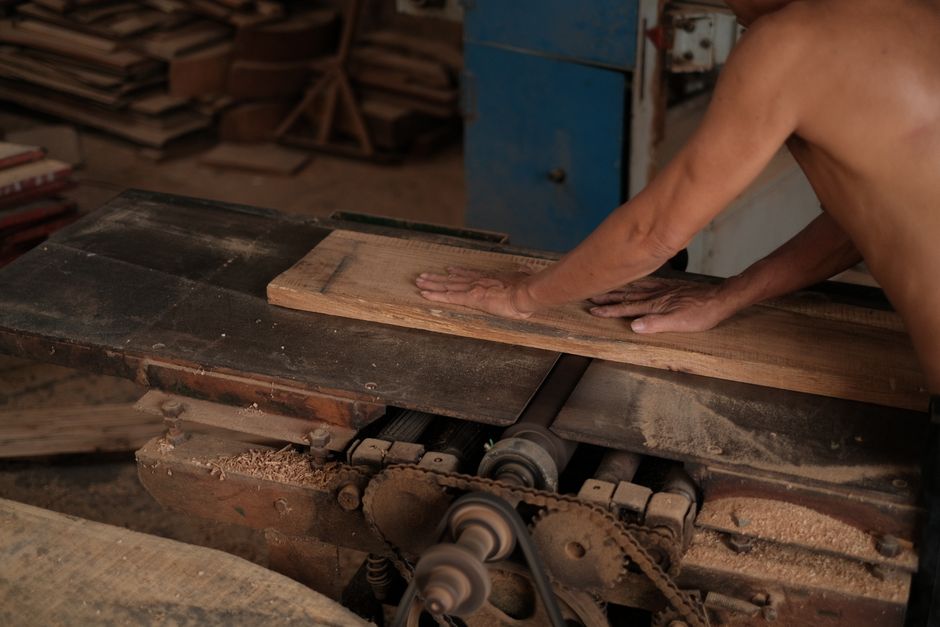
- Solid Wood: Solid wood refers to lumber that is sourced from trees and is available in various species such as oak, maple, and pine. It is prized for its natural beauty, durability, and ability to be refinished.
Cost Considerations
When it comes to budget building, cost is often the deciding factor in material selection. Here are some considerations regarding costs:
- Price: MDF is typically less expensive than solid wood, making it an attractive option for those looking to save money.
- Availability: MDF is widely available at most home improvement stores, often in large sheets, making it easy to purchase in bulk for multiple projects.
- Waste Reduction: MDF can be easily cut into precise shapes and sizes, which can help minimize waste compared to solid wood, where miscuts may lead to more significant losses.
Durability and Longevity
While MDF is a cost-effective choice, it is essential to consider its durability compared to solid wood:
- Strength: Solid wood is generally stronger and more resilient than MDF, making it a better choice for furniture that needs to withstand heavy use, such as dining tables or chairs.
- Moisture Resistance: MDF is more susceptible to moisture damage. If your furniture will be placed in a humid environment, solid wood may be the better option as it can handle moisture fluctuations better.
- Longevity: Solid wood furniture can last for generations with proper care, whereas MDF may need to be replaced sooner due to wear and tear.
Finishing Options
Finishing is another critical aspect of furniture building that can influence your decision:
- Surface Finish: MDF has a smooth surface that readily accepts paint and veneer, allowing for a sleek finish. If you aim for a painted look, MDF can be an excellent choice.
- Natural Aesthetics: Solid wood offers a unique grain pattern and natural beauty that cannot be replicated with MDF. If aesthetics are crucial to you, solid wood might be worth the extra cost.
Assembly and Joinery
When it comes to assembling your furniture, the choice of material can affect the joinery techniques you use:
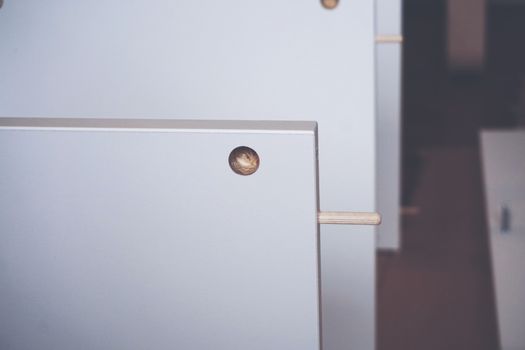
- Screws and Fasteners: MDF can be more challenging to work with when it comes to screws and fasteners, as it does not hold screws as well as solid wood. Consider using wood glue and dowels for stronger joints.
- Joinery Techniques: Solid wood allows for various joinery techniques such as mortise and tenon, dovetails, and biscuits, which provide sturdy connections. In contrast, MDF might require simpler joinery methods.
Tips for Budget Building with MDF
If you decide to go with MDF for your furniture project, here are some cost-saving tips:
- Plan Your Cuts: Use design software or graph paper to plan your cuts efficiently, ensuring you maximize the use of each sheet of MDF.
- Use Quality Adhesive: Invest in a good quality wood glue to strengthen the joints and improve the overall durability of your MDF furniture.
- Finish Smartly: Opt for a paint finish instead of veneer to save costs and achieve a modern look. Paint is often less expensive than high-quality veneer.
- Consider Ted's Woodworking Plans: For those looking for guidance on furniture building, Ted Woodworking offers a vast array of plans that include projects using both MDF and solid wood, providing a solid foundation for your builds.
Conclusion
Using MDF instead of solid wood for furniture can be a viable option, especially when working under a budget. Understanding the strengths and weaknesses of both materials will help you make informed decisions that align with your project goals. Whether you choose MDF for its affordability or solid wood for its durability and aesthetics, careful planning and execution will result in beautiful, functional furniture.
FAQ
- Is MDF suitable for outdoor furniture? No, MDF is not recommended for outdoor furniture as it can warp and deteriorate when exposed to moisture and the elements.
- Can I use screws in MDF? Yes, but it's better to use screws with caution, as MDF does not hold screws as well as solid wood. Consider using wood glue and dowels for a stronger bond.
- What types of finishes work best on MDF? Paint is the most popular finish for MDF, as it adheres well and provides a uniform look. You can also use veneer, but it may be more costly.
📚 Related Articles
🔨 Want 16,000+ Woodworking Plans?
Get instant access to step-by-step plans with blueprints and cut lists.
Get Instant Access →