Introduction
Creating a multi-functional bedroom bench is a fantastic project for beginners looking to enhance their space with both style and utility. This bench can serve as extra seating, storage, or even a decorative piece. In this article, we will guide you step-by-step through the process of building your very own bedroom bench. You do not need advanced skills or tools, just some basic woodworking essentials and a bit of patience.
Tools and Materials Needed
Before we dive into the plans, let’s gather the necessary tools and materials.
- Tools:
- Measuring tape
- Square
- Power drill
- Saw (circular saw or miter saw)
- Sandpaper (medium and fine grit)
- Paintbrush or roller (if painting)
- Clamps
- Materials:
- 1x4 or 1x6 boards (for the bench top and bottom)
- 2x4 boards (for the frame)
- Plywood (for the bench top, optional)
- Wood screws
- Wood glue
- Wood stain or paint (optional)
Step-by-Step Instructions
Step 1: Planning Your Bench
Decide on the dimensions of your bench. A common size for a bedroom bench is about 48 inches long, 18 inches high, and 15-18 inches deep. Sketch your design on paper, considering features such as storage compartments or a padded top if desired.
Step 2: Cutting the Wood
Using your saw, cut the wood according to your plans. Here’s a simple breakdown:
- Top pieces: Cut two 1x4 or 1x6 boards to your desired length for the bench top.
- Frame pieces: Cut four 2x4 boards for the frame (two for the front and back, two for the sides) to match the height and depth of your bench.
- Support pieces: If you're adding storage, cut additional pieces for the internal structure.
Step 3: Assembling the Frame
Start by assembling the outer frame. Lay the cut 2x4 boards on a flat surface, forming a rectangle. Use wood screws and wood glue to join the corners securely. Make sure everything is square before tightening the screws.
Step 4: Adding Support
If you are creating a storage bench, add vertical supports inside the frame. This will stabilize the bench and provide compartments for storage. Space them evenly based on your design and attach them with screws.
Step 5: Attaching the Top
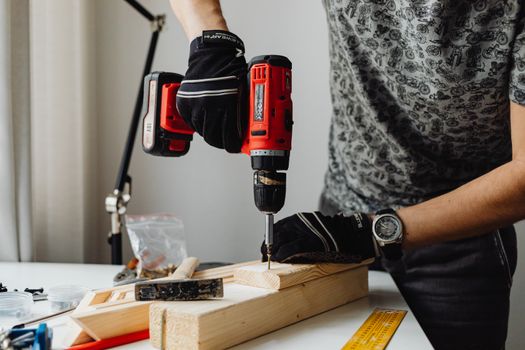
Once your frame is sturdy and secure, lay the 1x4 or 1x6 boards on top to form the bench surface. Use clamps to hold them in place and drill screws through the top boards into the frame below, ensuring a solid connection.
Step 6: Sanding and Finishing
Use medium-grit sandpaper to smooth any rough edges or surfaces. Follow up with fine-grit sandpaper for a polished finish. If you plan to paint or stain your bench, make sure to apply a wood conditioner first for an even application. Let the finish dry completely before using the bench.
Step 7: Optional Upholstery
If you want a cushioned top, cut a piece of plywood slightly smaller than the bench top. Attach foam padding and fabric using a staple gun. Secure the upholstered top to the bench using screws or brackets.
Final Touches
Now that your bench is assembled and finished, add any decorative elements like pillows or blankets to make it feel cozy and inviting. This multi-functional bench can now serve as a seating area, a place to store items, or simply a beautiful addition to your bedroom decor.
Plans Resource
If you’re looking for more detailed plans or inspiration, consider checking out Ted Woodworking. They offer a wide variety of woodworking plans that can help you with this project and many others.
Conclusion
Building a multi-functional bedroom bench is a rewarding woodworking project that can enhance your bedroom’s functionality and aesthetics. With just a few basic tools and materials, you can create a stylish and useful piece of furniture that will serve you for years to come.
FAQs
- What type of wood should I use for a bedroom bench?
Softwoods like pine or fir are excellent choices for beginners because they are easy to work with and affordable. If you prefer a more durable option, consider hardwoods like oak or maple.
- How can I personalize my bench?
You can personalize your bench by adding paint, stain, or upholstery in colors and patterns that match your bedroom decor. Consider adding decorative elements like stencils or carvings for a unique touch.
- Is this project suitable for beginners?
Yes! This project is designed for beginners and requires only basic tools and skills. With careful measurements and attention to detail, anyone can complete it successfully.
📚 Related Articles
🔨 Want 16,000+ Woodworking Plans?
Get instant access to step-by-step plans with blueprints and cut lists.
Get Instant Access →