Introduction to Refinishing Old Wooden Furniture
Refinishing old wooden furniture can be a rewarding and cost-effective way to give new life to old pieces. Not only can it save you money, but it also allows you to preserve the history and character of the piece. In this article, we will guide you through the process of stripping and refinishing old wooden furniture, from preparation to completion.
Preparing the Furniture for Refinishing
Before you start stripping and refinishing your old wooden furniture, it's essential to prepare the piece properly. This includes removing any hardware, such as knobs or hinges, and covering the floor and surrounding areas with drop cloths to protect them from dust and debris.
Next, inspect the furniture for any damaged or rotten wood and make repairs as needed. You can use wood filler or replace the damaged wood entirely, depending on the extent of the damage. If you're looking for plans and guidance on wood repair, Ted Woodworking is a great resource to consider.
Stripping the Old Finish
Once your furniture is prepared, it's time to strip the old finish. This can be done using a variety of methods, including chemical strippers, sanding, or a combination of both. Chemical strippers are available in different types, including solvent-based and water-based, and can be applied using a brush or spray gun.
When using chemical strippers, be sure to follow the manufacturer's instructions and take necessary safety precautions, such as wearing gloves and working in a well-ventilated area. Sanding is also an effective way to remove old finishes, especially for smaller areas or intricate details.
Sanding and Smoothing the Wood
After the old finish has been stripped, it's time to sand and smooth the wood. This involves using progressively finer grits of sandpaper to remove any remaining imperfections and create a smooth surface for the new finish.
Start with a coarse grit sandpaper (about 80-100) and work your way up to finer grits (120-150) for a high-gloss finish. Be sure to sand in the direction of the wood grain to avoid scratches and unevenness.
Applying the New Finish
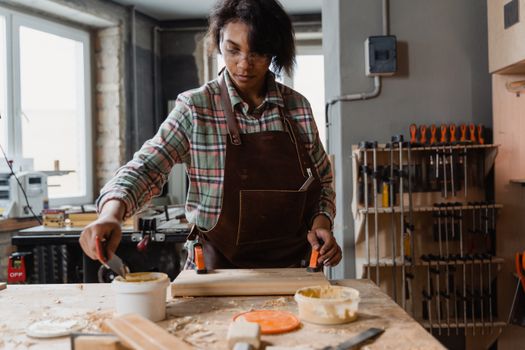
With the wood sanded and smoothed, it's time to apply the new finish. This can include a variety of options, such as stain, polyurethane, or wax, depending on the desired color and level of protection.
When applying stain, be sure to follow the manufacturer's instructions and test the color on a small, inconspicuous area first. Polyurethane is a popular choice for protecting the wood and creating a durable finish, while wax provides a soft, subtle sheen.
Tips and Tricks for a Professional Finish
To achieve a professional-looking finish, be sure to apply thin, even coats and allow each coat to dry according to the manufacturer's instructions. It's also essential to work in a dust-free environment and avoid applying finish in direct sunlight or high humidity.
Additionally, consider using a high-quality brush or foam applicator to apply the finish, as these will help to create a smooth, even surface. Finally, be patient and don't rush the process – refinishing old wooden furniture takes time and effort, but the end result is well worth it.
Conclusion
In conclusion, refinishing old wooden furniture is a rewarding and cost-effective way to give new life to old pieces. By following the steps outlined in this article, including preparation, stripping, sanding, and applying a new finish, you can create a beautiful and durable piece of furniture that will last for years to come.
Some popular tools and materials to have on hand when refinishing old wooden furniture include:
- Chemical strippers: for removing old finishes
- Sandpaper: for smoothing and preparing the wood
- Stain and polyurethane: for applying a new finish
- Brushes and foam applicators: for applying finish and creating a smooth surface
- Dust masks and gloves: for protecting yourself from dust and chemicals
Frequently Asked Questions
Here are some frequently asked questions about refinishing old wooden furniture:
Q: What is the best way to remove old finishes from wooden furniture?
A: The best way to remove old finishes from wooden furniture is to use a combination of chemical strippers and sanding.
Q: How do I choose the right stain color for my furniture?
A: To choose the right stain color, consider the type of wood, the style of the piece, and the desired color and tone.
Q: Can I refinish old wooden furniture myself, or do I need to hire a professional?
A: With the right tools and materials, you can refinish old wooden furniture yourself, but if you're unsure or lack experience, it's best to hire a professional.
Want 16,000+ Furniture Plans?
Get instant access to step-by-step plans with blueprints, cut lists, and material lists.
Get Instant Access →