Introduction to Wood Veneer
Wood veneer is a popular choice for furniture building due to its unique appearance, durability, and affordability. It is a thin layer of wood that is applied to a substrate, such as plywood or medium-density fiberboard (MDF), to create a beautiful and long-lasting finish.
Preparing the Substrate
Before applying wood veneer, it is essential to prepare the substrate. This includes cleaning the surface, filling any holes or gaps, and sanding it to create a smooth finish. The substrate should be dry and free of dust, dirt, and other debris.
Choosing the Right Adhesive
The type of adhesive used to apply wood veneer is crucial. There are several options available, including contact cement, wood glue, and veneer adhesive. The choice of adhesive will depend on the type of veneer and substrate being used, as well as the desired level of bond strength.
Applying Wood Veneer
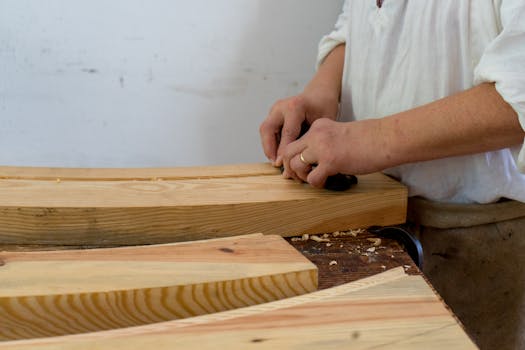
To apply wood veneer, start by cutting the veneer to the desired size using a sharp utility knife or a veneer saw. Apply a thin, even layer of adhesive to the substrate, following the manufacturer's instructions. Then, place the veneer onto the substrate, starting from the center and working your way outwards. Use a veneer hammer or a roller to smooth out any air bubbles or wrinkles.
Tips and Tricks
- Use a veneer press or a set of veneer clamps to apply even pressure to the veneer.
- Apply a thin layer of adhesive to the veneer, rather than the substrate, for a stronger bond.
- Use a sharp utility knife to trim the veneer to size, rather than a saw, to avoid tearing the veneer.
For more complex furniture building projects, consider using plans from resources like Ted Woodworking. These plans can provide detailed instructions and guidance on how to apply wood veneer to create unique and professional-looking pieces.
Finishing the Veneer
Once the veneer is applied, it is essential to finish it to protect it from damage and enhance its appearance. This can include applying a coat of polyurethane, varnish, or wax. The type of finish used will depend on the desired level of protection and the appearance of the veneer.
Maintenance and Repair
Wood veneer is a durable and long-lasting material, but it does require some maintenance and repair. This can include cleaning the veneer with a soft cloth and mild soap, and repairing any scratches or damage with a touch-up kit.
Conclusion
Applying wood veneer to furniture is a relatively simple process that can add a unique and professional touch to any piece. By following the steps outlined in this guide, and using the right materials and techniques, you can create beautiful and long-lasting furniture pieces that will last for years to come.
Frequently Asked Questions
Here are some frequently asked questions about applying wood veneer to furniture:
- Q: What is the best type of adhesive to use when applying wood veneer? A: The best type of adhesive will depend on the type of veneer and substrate being used, as well as the desired level of bond strength. Contact cement, wood glue, and veneer adhesive are all popular options.
- Q: How do I avoid air bubbles and wrinkles when applying wood veneer? A: To avoid air bubbles and wrinkles, apply a thin, even layer of adhesive to the substrate, and use a veneer hammer or roller to smooth out the veneer as you apply it.
- Q: Can I apply wood veneer to any type of substrate? A: No, wood veneer should only be applied to a substrate that is dry, clean, and free of debris. The substrate should also be suitable for veneer application, such as plywood or MDF.
Want 16,000+ Furniture Plans?
Get instant access to step-by-step plans with blueprints, cut lists, and material lists.
Get Instant Access →