Introduction
Building your own furniture can be a rewarding and cost-effective endeavor, especially for beginners looking to enhance their woodworking skills. However, many new woodworkers often overlook the various costs associated with this venture. In this article, we will explore the costs of building your own furniture as a beginner, common mistakes to avoid, and troubleshooting tips to ensure your project is successful.
Understanding the Costs of DIY Furniture
Before diving into furniture building, it’s essential to understand the various costs involved. Here are the primary factors that contribute to the overall cost:
1. Material Costs
The type of wood you choose will significantly impact the overall cost of your furniture project. Here is a breakdown of common materials:
- Pine: Inexpensive and ideal for beginners, costing around $2-$4 per board foot.
- Plywood: A versatile option that ranges from $20 to $50 per sheet, depending on the grade.
- Hardwoods: If you’re aiming for a more durable finish, expect to pay anywhere from $5 to $15 per board foot.
2. Tool Costs
As a beginner, you may need to invest in basic tools. The initial tool setup can range from $200 to $800, depending on what you already own. Here are some essential tools to consider:
- Power Saw: A circular saw or miter saw is essential for cutting wood accurately.
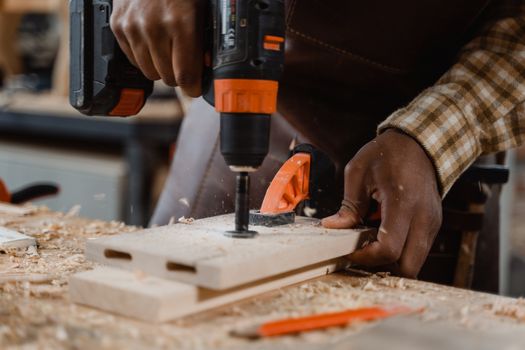
- Drill: A cordless drill is great for making holes and driving screws.
- Measuring Tools: A tape measure and square are crucial for accurate measurements.
3. Finishing Supplies
Finishing your furniture can also add to your costs. Depending on the finish you choose, you may need to spend:
- Stains and Sealers: Typically range from $10 to $30 per can.
- Paint: High-quality paint can cost around $15 to $40 per quart.
4. Additional Costs
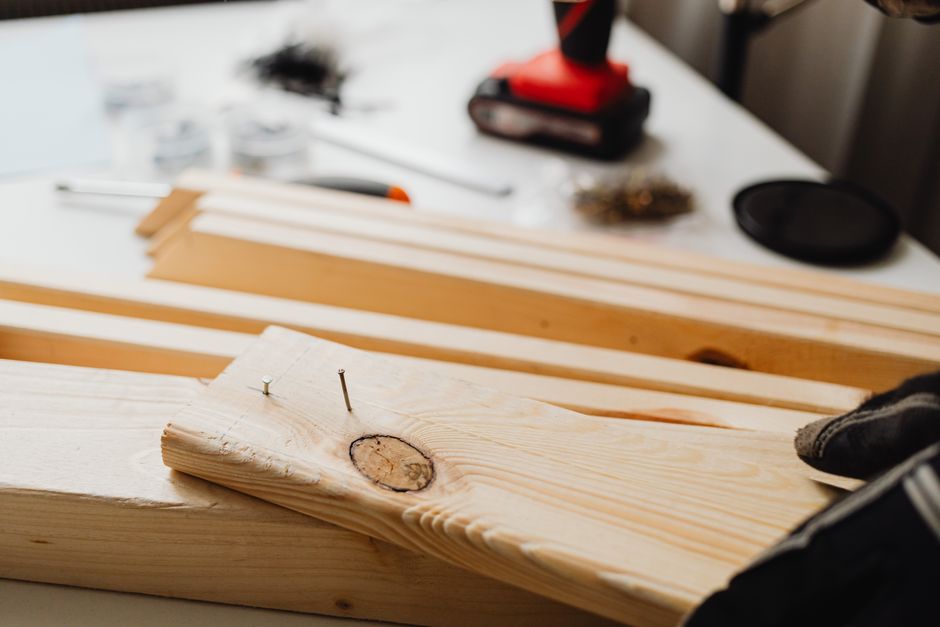
Don’t forget to factor in the cost of screws, nails, and other small hardware items, which can add another $10 to $50 to your project budget.
Common Mistakes to Avoid
As a beginner, it’s easy to fall into some common traps that can lead to frustration and wasted money. Here are some mistakes to watch out for:
1. Underestimating Material Needs
One of the biggest mistakes beginners make is not accurately calculating the amount of wood needed. Always overestimate slightly to account for mistakes or defects in the wood.
2. Skipping the Planning Phase
Jumping straight into building without a solid plan can lead to costly errors. Consider using resources like Ted Woodworking for detailed plans that guide you through each step.
3. Not Investing in Quality Tools
While it might be tempting to purchase the cheapest tools available, investing in quality tools can save you money in the long run. Poor tools can lead to mistakes and unfinished projects.
Troubleshooting Tips and Fixes
No matter how careful you are, issues may arise during your furniture-building journey. Here are some common problems and their solutions:
1. Misaligned Joints
If your joints don’t align properly, check your measurements and ensure that you’re using a square. If you’ve already cut, you can often fix misalignment with wood glue and clamps to secure the pieces.
2. Uneven Surfaces
Uneven surfaces can occur if you don’t sand properly. Always start with coarse sandpaper and work your way to finer grits. If a surface is too rough, consider using a planer to even it out.
3. Splintered Edges
Splintering can happen during cuts. To minimize this, always use a sharp blade and cut with the finished side facing up. If splinters do occur, sand them down carefully after cutting.
Conclusion
Building your own furniture as a beginner can be a fulfilling experience, both creatively and financially. By understanding the costs involved and avoiding common mistakes, you can enhance your woodworking skills and create beautiful pieces for your home. Remember, patience and careful planning are key to a successful project.
Frequently Asked Questions (FAQ)
1. How much does it cost to build a simple piece of furniture?
The cost can range from $50 to $300, depending on the materials and tools you already own.
2. Is it cheaper to build furniture than buy it?
In many cases, building your own furniture can be cheaper, especially if you use reclaimed wood or have basic tools.
3. What is the best wood for beginners?
Pine is often recommended for beginners due to its affordability, availability, and ease of working with.
📚 Related Articles
🔨 Want 16,000+ Woodworking Plans?
Get instant access to step-by-step plans with blueprints and cut lists.
Get Instant Access →