Can I Use Salvaged Wood to Build a Modern Bookshelf? Find Out!
Building furniture from salvaged wood is not only an environmentally friendly choice but also a way to craft unique pieces that tell a story. When it comes to modern designs, a bookshelf can become a stunning focal point in your living room. In this article, we will explore advanced techniques focusing on joinery, precision, and achieving a professional finish when using salvaged wood for your modern bookshelf.
Understanding Salvaged Wood
Salvaged wood refers to timber that has been reclaimed from old structures, furniture, or trees. This wood often has unique characteristics, such as knots, color variations, and historical significance, which can enhance the aesthetic of your bookshelf. However, working with salvaged wood requires careful consideration of its condition and properties.
Assessing the Quality of Salvaged Wood
Before beginning your project, assess the salvaged wood for the following:
- Moisture Content: Use a moisture meter to ensure the wood is dry. Ideally, it should be below 10% moisture content to avoid warping and cracking.
- Structural Integrity: Check for cracks, splits, and insect damage. Discard any pieces that are too compromised.
- Species and Grain Patterns: Identify the wood species to understand its working properties and aesthetics. Different species offer varying hardness and visual appeal.
Joinery Techniques for a Modern Bookshelf
Joinery is the backbone of any furniture piece, and when working with salvaged wood, you have the opportunity to showcase your skills. Here are some advanced joinery techniques suitable for a modern bookshelf:
1. Mortise and Tenon Joints
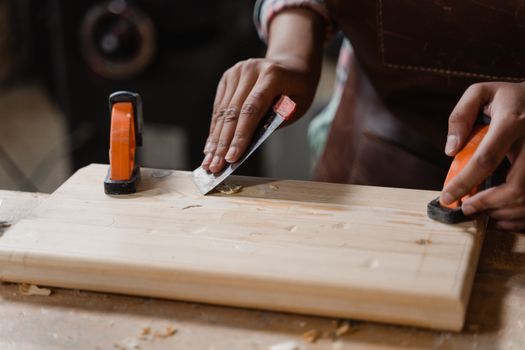
This traditional joinery technique provides strength and durability, making it perfect for a bookshelf that will support weight. The mortise is cut into one piece, while the tenon is shaped on the other. Precision is key here—use a chisel and mallet for clean, crisp joints.
2. Dovetail Joints
Dovetails are ideal for drawer construction but can also be used in bookshelf assembly. They offer exceptional strength and a beautiful visual appeal. Consider using a dovetail jig for accuracy and repeatability.
3. Pocket Hole Joints
If you need a quicker assembly method without sacrificing strength, pocket hole joints can save time while providing a strong connection. Invest in a pocket hole jig for precise drilling and easy assembly.
4. Biscuit Joints
Biscuit joints are excellent for aligning edges and reinforcing panels. They are especially useful when joining wider boards for shelves. A biscuit joiner will help you make accurate cuts for the biscuits, ensuring a tight fit.
Achieving Precision in Measurements
Precision in measurements is critical when building a modern bookshelf. Here are some tips to ensure accuracy:
- Use a Reliable Measuring Tool: Invest in a high-quality tape measure or digital caliper for accurate measurements.
- Mark Carefully: Use a sharp pencil or marking knife to mark your cuts clearly. A square will help ensure your lines are straight.
- Double-Check Measurements: Measure twice, cut once! This old adage holds true and can save you from costly mistakes.
Finishing Techniques for a Professional Look
Once your bookshelf is assembled, the finishing touches will determine its final appearance. Here are some advanced finishing techniques:
1. Sanding
Start with coarse sandpaper (80-grit) to remove any rough spots, then progress to finer grits (up to 220-grit) for a smooth finish. Pay special attention to the edges and corners.
2. Staining
Staining can enhance the natural beauty of salvaged wood. Test the stain on a scrap piece first to ensure you achieve the desired color. Apply with a brush or cloth and wipe off the excess for an even finish.
3. Sealing
After staining, apply a clear coat to protect the wood. Options include polyurethane, shellac, or oil finishes. Each has its own application method and aesthetic, so choose based on your desired outcome.
Using Plans for Your Bookshelf
If you’re looking for inspiration or detailed guidance, consider using resources like Ted Woodworking. They offer a wide range of plans that can help streamline your project, ensuring you cover all necessary aspects of construction.
Final Thoughts
Building a modern bookshelf from salvaged wood is a rewarding endeavor that combines sustainability with creativity. By employing advanced joinery techniques, focusing on precision in your measurements, and finishing your project with care, you can create a stunning piece that enhances your living room while making use of unique materials.
FAQ
1. Can I use any type of salvaged wood for my bookshelf?
While many types of salvaged wood can be used, it's best to choose hardwoods for durability. Avoid woods with significant damage or decay.
2. How do I ensure my bookshelf is sturdy enough?
Using strong joinery techniques, such as mortise and tenon, and ensuring proper support and weight distribution will help maintain sturdiness.
3. What finish is best for salvaged wood?
The best finish depends on the look you want. Polyurethane provides durability, while oils enhance the wood’s natural beauty. Always test on a scrap piece first.
📚 Related Articles
🔨 Want 16,000+ Woodworking Plans?
Get instant access to step-by-step plans with blueprints and cut lists.
Get Instant Access →