Introduction
Building your own DIY coffee table can be a rewarding and fulfilling project. Not only does it allow you to express your creativity, but it also gives you a piece of furniture that perfectly fits your living room. However, having the right tools is crucial for a successful build. In this article, we will discuss the essential tools needed for building a DIY coffee table, common mistakes to avoid, and troubleshooting tips to ensure your project goes smoothly.
Essential Tools for Building a DIY Coffee Table
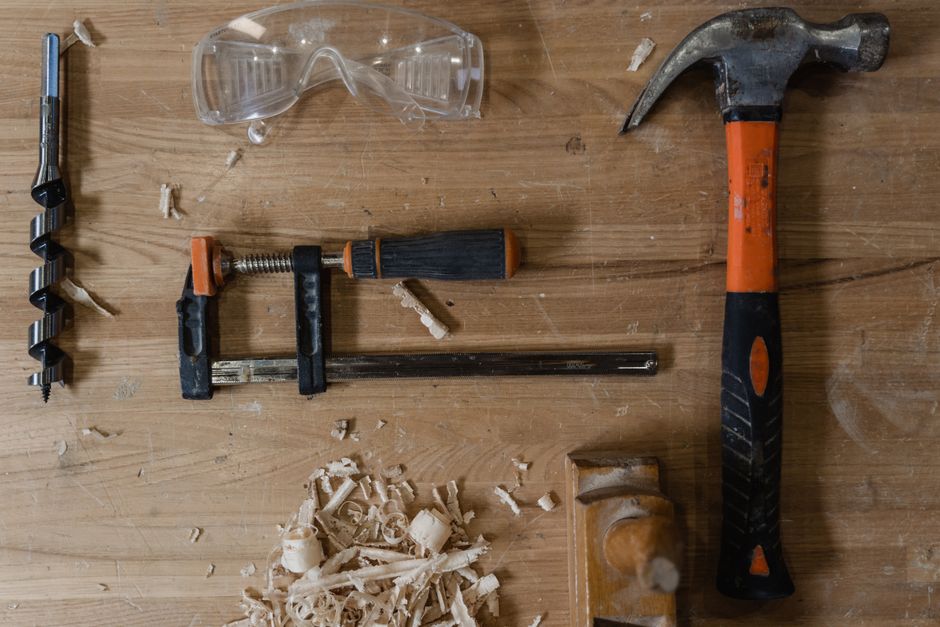
Before diving into the project, it’s important to gather all the necessary tools. Here’s a list of essential tools you’ll need:
- Measuring Tape: Accurate measurements are vital for any woodworking project. A measuring tape will help you ensure that all your pieces fit together perfectly.
- Square: A carpenter's square will help you check for right angles and ensure your cuts are straight.
- Jigsaw or Circular Saw: These saws are essential for cutting wood to size. A jigsaw is great for intricate cuts, while a circular saw is ideal for straight cuts.
- Drill/Driver: A power drill is needed for making holes and driving screws. A cordless drill is convenient for mobility.
- Clamps: Clamps hold your pieces together while the glue dries or while you drill screws, ensuring everything stays in place.
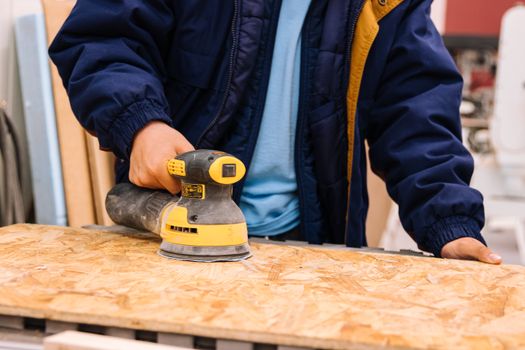
- Sandpaper or Orbital Sander: Sanding is crucial for smoothing out rough edges and surfaces. An orbital sander can save you time and effort.
- Wood Glue: Strong wood glue helps bond pieces of wood together, providing stability in addition to screws.
- Screws and Hardware: Ensure you have the right screws for your project, along with any additional hardware like brackets or hinges if needed.
- Finish (Stain or Paint): To protect and beautify your coffee table, consider applying a wood finish or paint to match your living room decor.
Common Mistakes to Avoid
Even with the right tools, mistakes can happen during the building process. Here are some common pitfalls and tips on how to avoid them:
1. Inaccurate Measurements
One of the most common mistakes is inaccurate measurements. If your dimensions are off, you may end up with a coffee table that doesn't fit your space or isn't stable.
Tip: Always double-check your measurements and mark them clearly on the wood before cutting. If you're unsure, measure twice and cut once.
2. Poor Wood Selection
Choosing the wrong type of wood can lead to issues such as warping, cracking, or not achieving the desired finish.
Tip: For a coffee table, hardwoods like oak, maple, or walnut are excellent choices due to their durability. Avoid softwoods like pine for surfaces that will see a lot of use.
3. Neglecting Proper Sanding
Skipping the sanding process can result in a rough finish, which not only looks unprofessional but can also be uncomfortable to use.
Tip: Take the time to sand all surfaces thoroughly, starting with a coarser grit and progressing to finer grits for a smooth finish.
4. Over- or Under-tightening Screws
Improperly tightened screws can lead to joints that are too loose or that split the wood.
Tip: Use the right size screws for your project and tighten them firmly but not excessively. Consider using a torque setting on your drill to avoid stripping the screws.
5. Forgetting to Pre-drill Holes
Failing to pre-drill holes can cause wood to split, especially near the edges.
Tip: Always pre-drill holes for screws, especially in hardwoods. This will help prevent splitting and make your assembly process smoother.
Additional Resources
If you're looking for detailed plans to guide you through the coffee table building process, consider checking out Ted Woodworking. This resource offers a variety of woodworking plans, including coffee tables, that can help you get started on the right foot.
Conclusion
Building a DIY coffee table is a great way to enhance your living room while honing your woodworking skills. By equipping yourself with the right tools and avoiding common mistakes, you can create a beautiful and functional piece of furniture. Remember to take your time, plan carefully, and enjoy the process!
FAQ
1. What type of wood is best for a coffee table?
Hardwoods like oak, maple, and walnut are the best choices for durability and finish. Avoid softwoods like pine for surfaces that will see a lot of use.
2. How much does it cost to build a coffee table?
The cost can vary widely depending on the type of wood, design, and whether you already own the necessary tools. On average, expect to spend between $100 to $300 for materials.
3. Can I customize my coffee table design?
Absolutely! Customizing your coffee table design allows you to create a piece that fits your style and space perfectly. Use plans from resources like Ted Woodworking for ideas and modifications.
📚 Related Articles
🔨 Want 16,000+ Woodworking Plans?
Get instant access to step-by-step plans with blueprints and cut lists.
Get Instant Access →