The Importance of Woodworking Joints in Furniture Assembly
When it comes to furniture assembly, the joints used to connect pieces of wood are crucial. A good joint not only holds components together securely but also affects the overall aesthetics and durability of the piece. Understanding different woodworking joints and their applications is essential for any woodworker, whether you are a novice or a seasoned pro. In this article, we will explore some of the best woodworking joints for furniture assembly, common mistakes to avoid, and troubleshooting tips to ensure your projects are built to last.
The Best Woodworking Joints for Furniture Assembly
There are numerous woodworking joints available, each with its unique strengths and weaknesses. Here are some of the most commonly used joints in furniture assembly:
1. Butt Joint
The butt joint is one of the simplest and most common joints in woodworking. It involves joining two pieces of wood by placing them end-to-end or edge-to-edge, secured with glue or screws.
- Common Mistakes: Failing to align the pieces properly can lead to uneven edges.
- Troubleshooting Tips: Use clamps to hold the pieces in place while the glue dries, ensuring a tight fit.
2. Miter Joint
Similar to the butt joint, the miter joint involves two pieces of wood cut at an angle, typically 45 degrees. This joint is popular for creating corners in frames and other decorative applications.
- Common Mistakes: Incorrect angle cuts can result in gaps at the joint.
- Troubleshooting Tips: Use a miter saw for precise angle cuts, and consider reinforcing the joint with glue and splines.
3. Dado Joint
The dado joint is made by cutting a groove into one piece of wood, allowing another piece to fit snugly into it. This joint is excellent for shelves and cabinetry.
- Common Mistakes: Miscalculating the depth of the groove can lead to weak connections.
- Troubleshooting Tips: Measure carefully and use a router or table saw for consistent dado cuts.
4. Mortise and Tenon Joint
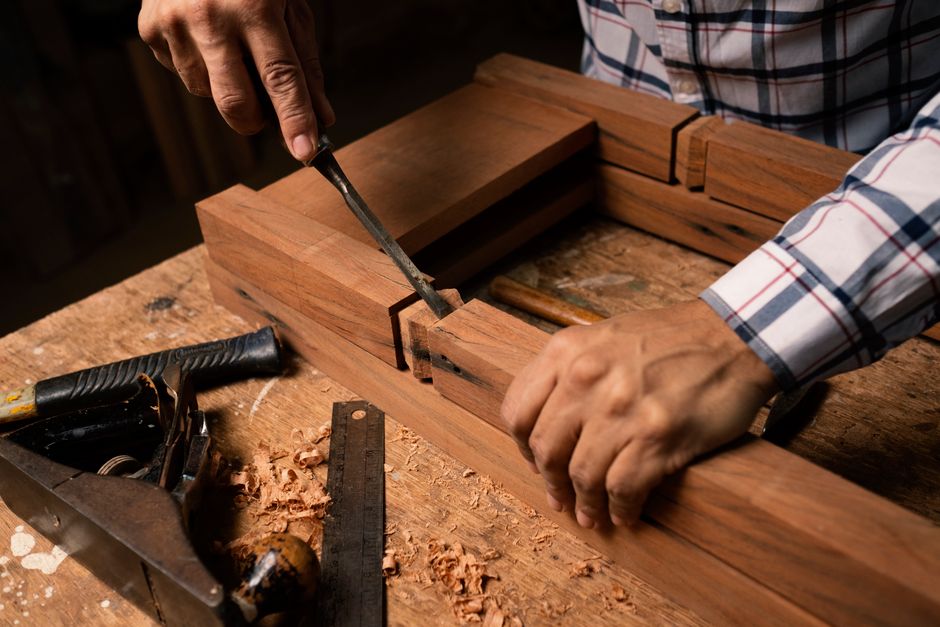
Considered one of the strongest joints in woodworking, the mortise and tenon joint features a rectangular hole (mortise) cut into one piece of wood and a matching projection (tenon) on another piece.
- Common Mistakes: Inaccurate measurements can prevent a tight fit.
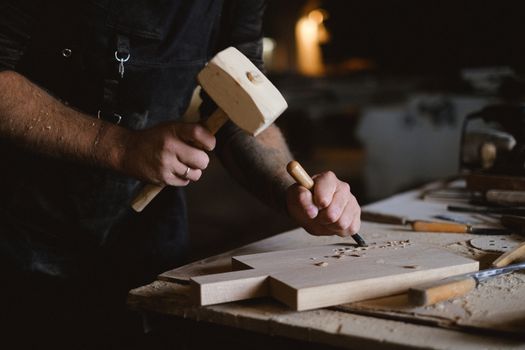
- Troubleshooting Tips: Use a chisel and mallet for precise mortise cuts and ensure the tenon fits snugly without excessive force.
5. Lap Joint
The lap joint involves overlapping two pieces of wood, providing a large surface area for gluing. This joint is often used in frames and structural components.
- Common Mistakes: Not removing enough material can weaken the connection.
- Troubleshooting Tips: Use a saw or chisel to create clean, even cuts for a strong bond.
6. Box Joint
The box joint is a series of interlocking fingers that provide a strong, attractive connection. It's commonly used in drawer construction.
- Common Mistakes: Inconsistent finger spacing can lead to misalignment.
- Troubleshooting Tips: Use a box joint jig to ensure uniform finger cuts and precise alignment.
7. Bridle Joint
The bridle joint is similar to the mortise and tenon but features a slot cut through one piece, allowing the other piece to be inserted. It is often used in frames and tables.
- Common Mistakes: Inaccurate cuts can lead to loose joints.
- Troubleshooting Tips: Measure and mark carefully before cutting, and test fit before final assembly.
Common Mistakes to Avoid in Furniture Assembly
While understanding the different types of joints is essential, avoiding common mistakes is equally important for a successful furniture project. Here are some pitfalls to watch out for:
- 1. Skipping Dry Fitting: Always perform a dry fit of your joints before applying glue. This allows you to identify any issues and make adjustments.
- 2. Ignoring Wood Grain Direction: The direction of the wood grain can affect the strength of your joints. Always align joints with the grain for maximum strength.
- 3. Overusing Clamps: While clamps are essential for holding joints together, excessive clamping can distort the wood. Use only as much pressure as needed.
- 4. Rushing the Gluing Process: Allow sufficient time for glue to cure before handling the piece. Rushing this step can lead to weak joints.
- 5. Not Using Appropriate Joinery for the Project: Different projects require different types of joints. Consider the application and choose accordingly.
Conclusion
Choosing the right woodworking joints for furniture assembly can greatly enhance the durability and beauty of your projects. By being aware of common mistakes and applying troubleshooting tips, you can improve your joinery skills. For more detailed plans and guidance on woodworking projects, consider resources like Ted Woodworking, which offers a wealth of information for all skill levels.
Frequently Asked Questions
1. What is the strongest joint for furniture assembly?
The mortise and tenon joint is widely considered the strongest joint for furniture assembly due to its robust interlocking design.
2. How do I choose the right joint for my project?
Consider the purpose of the joint, the type of load it will bear, and the aesthetic you wish to achieve. Each joint has unique characteristics that suit different applications.
3. Can I use screws in addition to glue for joints?
Yes, using screws in conjunction with glue can provide extra strength and stability, especially in joints that may experience stress or tension.
📚 Related Articles
🔨 Want 16,000+ Woodworking Plans?
Get instant access to step-by-step plans with blueprints and cut lists.
Get Instant Access →