Best Essential Woodworking Supplies for Beginners: A 2023 Guide
Starting your woodworking journey can be both exciting and overwhelming, especially with the myriad of tools and supplies available on the market. As a beginner, it’s essential to invest wisely in the right supplies without breaking the bank. This guide will outline the best essential woodworking supplies for beginners in 2023, focusing on budget-friendly options and cost-saving tips.
1. Understanding Your Needs
Before diving into the supplies you need, it’s crucial to understand the type of projects you want to tackle. Are you interested in furniture building, home decor, or perhaps simple crafts? Identifying your focus will help you narrow down the tools and materials necessary for your woodworking journey.
2. Essential Hand Tools
Hand tools are the backbone of any woodworking project. They are often more affordable than power tools and can be used in a variety of ways. Here are some essential hand tools for beginners:
- Hand Saw: A good quality hand saw is necessary for making straight cuts in various types of wood.
- Chisels: A set of chisels will allow you to carve and shape wood effectively. Look for a basic set that includes different sizes.
- Claw Hammer: This multi-purpose tool is ideal for driving nails and removing them when necessary.
- Square: A framing square or combination square is crucial for ensuring your cuts are accurate and your projects are square.
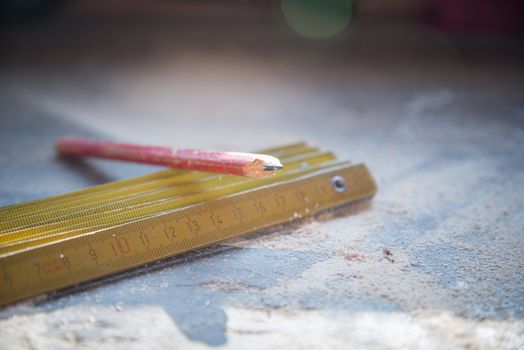
- Measuring Tape: Accurate measurements are vital in woodworking, making a measuring tape an essential tool.
- Screwdrivers: A set of screwdrivers will allow you to assemble projects easily.
3. Affordable Power Tools
While hand tools are essential, investing in a few budget-friendly power tools can significantly enhance your woodworking experience. Consider these options:
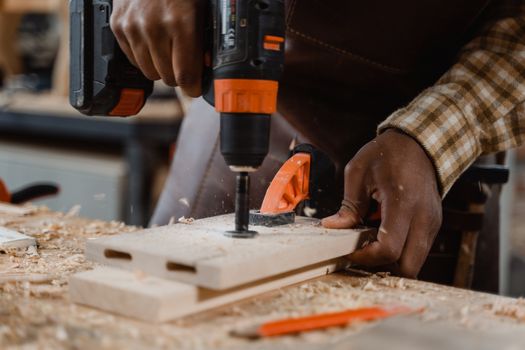
- Electric Drill: A cordless drill is invaluable for drilling holes and driving screws. Look for one that has variable speed settings.
- Jigsaw: A jigsaw is perfect for making curved cuts and intricate designs in wood. It's an affordable and versatile tool for beginners.
- Orbital Sander: Sanding is a crucial step in woodworking for achieving smooth finishes. An orbital sander can save time and effort compared to manual sanding.
4. Quality Wood and Materials
Choosing the right wood and materials is essential for your projects. Here are some cost-effective options:
- Pine: Pine is one of the most affordable softwoods available. It’s easy to work with and perfect for beginner projects.
- Plywood: Plywood provides strength and stability at a lower price point. Look for good-quality plywood to ensure it withstands your projects.
- Reclaimed Wood: For a unique touch, consider using reclaimed wood. It’s often cheaper than new lumber and adds character to your projects.
- Hardwood Scraps: Check out local woodworking shops or online marketplaces for hardwood scraps. They can be affordable and great for small projects.
5. Safety Gear
Safety should always be your top priority when working with tools. Essential safety gear includes:
- Safety Glasses: Protect your eyes from dust and debris.
- Dust Mask: Prevent inhalation of sawdust and other airborne particles.
- Ear Protection: If you are using power tools, ear protection is essential to prevent hearing damage.
6. Plans and Resources
Getting started with woodworking is much easier with the right plans and resources. Websites like Ted Woodworking offer a vast selection of woodworking plans suitable for beginners. These plans can guide you through your first projects, helping you to understand the processes involved while saving you time and effort.
7. Cost-Saving Tips for Beginners
As you embark on your woodworking journey, here are some tips to save money:
- Buy Used Tools: Check out garage sales, flea markets, and online marketplaces for used tools. Many times, you can find high-quality tools at a fraction of the cost.
- Start Small: Focus on small projects initially to minimize material costs and build your skills gradually.
- Invest in Quality: While it may be tempting to go for the cheapest option, investing a bit more in quality tools can save you money in the long run as they will last longer.
- Plan Ahead: Make a list of the tools and materials you need for upcoming projects and stick to it to avoid impulse purchases.
Conclusion
Starting woodworking as a beginner doesn’t have to be an expensive endeavor. By focusing on essential tools, affordable materials, and smart budgeting, you can embark on your woodworking journey successfully. Remember to check out resources like Ted Woodworking for plans that can help you get started with confidence!
FAQ
- What tools do I need to start woodworking?
As a beginner, essential tools include a hand saw, chisels, a hammer, square, measuring tape, screwdrivers, and a drill. - How can I find affordable wood for my projects?
Consider using pine, plywood, reclaimed wood, or hardwood scraps from local shops or online marketplaces. - Where can I find woodworking plans for beginners?
Websites like Ted Woodworking offer a variety of plans suitable for beginners looking to start their first projects.
📚 Related Articles
🔨 Want 16,000+ Woodworking Plans?
Get instant access to step-by-step plans with blueprints and cut lists.
Get Instant Access →