Introduction
When it comes to creating bedroom furniture, the choice of wood can significantly influence the final product's aesthetics, durability, and overall quality. The best wood for your project not only affects the appearance of your pieces but also impacts the joinery techniques you can employ. In this article, we explore various wood types suitable for crafting bedroom furniture, focusing on advanced techniques that enhance precision and achieve a professional finish.
Factors to Consider When Choosing Wood
Before diving into specific wood types, it's essential to consider several factors that will guide your selection process:
- Durability: The wood should withstand daily use and resist wear and tear.
- Aesthetic Appeal: Different woods have unique colors, grains, and textures that can enhance the design of your furniture.
- Workability: Some woods are easier to work with than others, affecting the complexity of your joinery techniques.
- Cost: Budget constraints can limit your options, so it is wise to balance quality with affordability.
- Sustainability: Consider using woods sourced from sustainable forests to minimize environmental impact.
Top Wood Types for Bedroom Furniture
Now that we have established the criteria for selecting wood, let’s take a closer look at some of the best options for making bedroom furniture.
1. Oak
Oak is a classic choice for bedroom furniture due to its strength and durability. It comes in two main varieties: red oak and white oak. Red oak has a pronounced grain and a warm hue, while white oak offers a more muted color with a tighter grain.
Joinery Techniques: Oak can be easily shaped and joined using techniques like mortise and tenon, dovetails, and biscuits. Its density allows for precision cutting, making it ideal for complex joinery.
2. Maple
Maple is another excellent option, known for its fine, uniform grain and light color. It is highly durable and resistant to scratches, which makes it suitable for high-use furniture like beds and dressers.
Joinery Techniques: Maple works well with various joinery techniques, including finger joints and pocket screws, providing stability and a clean finish.
3. Cherry
Cherry wood is renowned for its rich color and smooth grain, making it a favorite among furniture makers. Over time, cherry develops a beautiful patina, adding to its charm.
Joinery Techniques: Cherry can be joined using traditional methods such as dovetails and mortise and tenon, allowing for strong connections that last for generations.
4. Walnut
Walnut is a premium hardwood that offers stunning visual appeal with its dark tones and intricate grain patterns. It is often used for high-end furniture pieces.
Joinery Techniques: The density of walnut makes it suitable for more advanced joinery techniques, such as sliding dovetails and double mortise and tenon joints. These methods enhance both strength and aesthetics.
5. Birch
Birch is a versatile wood that is affordable and has a fine texture. It is often used in contemporary designs due to its light color and smooth finish.
Joinery Techniques: Birch is easy to work with, allowing for various joinery techniques like doweling and edge joining, which can create seamless edges in your furniture.
Advanced Techniques for Precision and Finish
Once you've selected the wood for your bedroom furniture, employing advanced woodworking techniques is crucial to achieving a professional finish. Here are some techniques that can elevate your craftsmanship:
1. Precision Cutting
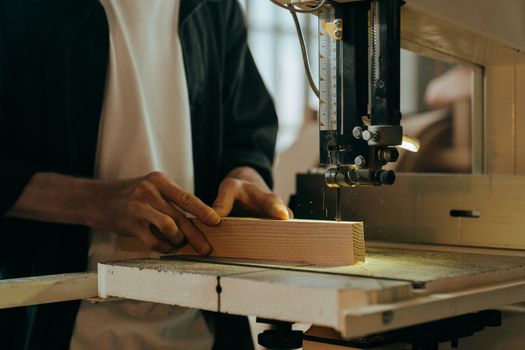
Utilizing tools such as a table saw, band saw, or router with jigs can help ensure that all pieces are cut to exact dimensions. Precision in cutting is essential for tight joints and a polished look.
2. Advanced Joinery
Explore joinery methods beyond the basics. Techniques like half-lap joints and bridle joints provide added strength and visual interest. Learning to make perfect dovetails or finger joints can also distinguish your pieces.
3. Finishing Techniques
A professional finish can significantly enhance the wood's natural beauty. Consider the following methods:
- Staining: Enhances the color and grain of the wood.
- Sealing: Protects the wood from moisture and dirt.
- Topcoating: Applying a finish like polyurethane or lacquer provides durability and a smooth surface.
4. Sanding
Proper sanding is critical for a smooth finish. Start with lower grit sandpaper, gradually moving to higher grits to achieve a glass-like surface. This step is essential before applying any finish.
Resources for Woodworking Plans
If you're looking for detailed plans to guide your furniture-making journey, consider exploring Ted Woodworking. This resource offers comprehensive plans for various woodworking projects, including bedroom furniture, to help you hone your skills.
Conclusion
Choosing the right wood for your bedroom furniture involves balancing durability, aesthetics, and workability. By employing advanced joinery techniques and ensuring a professional finish, you can create stunning pieces that will stand the test of time. Whether you opt for oak, maple, cherry, walnut, or birch, your selection will ultimately define the quality and beauty of your furniture.
FAQ
What is the most durable wood for bedroom furniture?
Oak and walnut are among the most durable options due to their hardness and resistance to wear.
Can I mix different types of wood in a single furniture piece?
Yes, mixing different woods can create unique designs, but ensure they complement each other in color and grain.
What finish is best for bedroom furniture?
A polyurethane finish is highly recommended for its durability, but oil-based finishes can also enhance the wood's natural beauty.
📚 Related Articles
🔨 Want 16,000+ Woodworking Plans?
Get instant access to step-by-step plans with blueprints and cut lists.
Get Instant Access →