Introduction
When it comes to decorating your living room, wood furniture often serves as the foundation of your design. However, many homeowners struggle with how to incorporate color into these timeless pieces. Adding color not only enhances the aesthetic appeal of your furniture but also brings personality and warmth to your living space. In this article, we will explore the best ways to incorporate color into wood furniture, recommend tools for the job, and provide you with expert tips to achieve stunning results.
Understanding the Color Wheel
Before diving into the methods of adding color, it's essential to understand the basics of color theory. The color wheel helps you identify complementary colors that work well together. Here are a few key concepts to consider:
- Complementary Colors: These are colors opposite each other on the color wheel. Pairing complementary colors can create a vibrant contrast in your furniture.
- Analogous Colors: Colors that are next to each other on the wheel. Using analogous colors can create a serene and harmonious look.
- Monochromatic Colors: Different shades and tints of the same color. This approach can create a cohesive and sophisticated appearance.
Methods to Incorporate Color in Wood Furniture
There are several methods you can use to add color to your wood furniture, each with its own set of tools and techniques. Let's explore some popular options:
1. Paint
Painting is one of the most straightforward ways to add color to wooden furniture. With a wide variety of paint options available, you can achieve anything from a solid color to intricate designs.
- Tools Needed:
- Paint Sprayer: A high-quality paint sprayer can make the application process faster and more even. Look for models like the Wagner Control Spray Max for fine finishes.
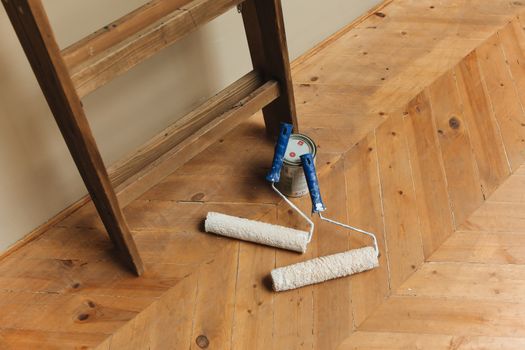
- Brushes and Rollers: Use high-density foam rollers for smooth surfaces and quality brushes for edges and details.
- Sandpaper: Fine-grit sandpaper (220 grit) is essential for prepping the surface before painting.
Pros: Easy to apply, customizable to any color, and can completely change the look of a piece.
Cons: Requires time for drying and multiple coats for even coverage.
2. Stain
If you want to enhance the natural beauty of wood while adding a touch of color, staining is the way to go. Stains penetrate the wood, allowing the grain to show through while adding a rich hue.
- Tools Needed:
- Stain Applicator: A foam applicator or clean cloth can be used to apply the stain evenly.
- Brushes: A natural bristle brush is ideal for applying stain in hard-to-reach areas.
- Protective Finish: Top it off with a clear coat like polyurethane to protect the stain.
Pros: Enhances wood grain and is available in a range of colors.
Cons: Requires careful application and can be difficult to remove if you make a mistake.
3. Upholstery and Fabrics
Incorporating color through upholstery is another excellent option, especially for wooden furniture pieces like chairs and sofas. Adding colorful cushions, throws, or even reupholstering can transform your furniture.
- Tools Needed:
- Staple Gun: A heavy-duty staple gun is essential for reupholstering furniture.
- Fabric Scissors: Invest in a good pair of fabric scissors for clean cuts.
- Measuring Tape: Accurate measurements ensure you buy the right amount of fabric.
Pros: Versatile and easy to change; offers immediate color updates.
Cons: Can be costly and may require professional help for complex pieces.
4. Accessories and Decor
Sometimes, the simplest way to add color is through accessories. Colorful vases, art pieces, or decorative items can complement your wooden furniture without altering it permanently.
- Tools Needed:
- Colorful Accessories: Choose items that match or contrast with your furniture.
- Wall Paint: Consider painting the walls of your living room to create a backdrop that enhances your furniture.
Pros: Temporary changes that allow for easy updates; no tools required!
Cons: May not provide the same dramatic transformation as painting or staining.
Using Ted Woodworking as a Resource
If you're looking for detailed plans and guidance on how to incorporate color into your wood furniture projects, Ted Woodworking offers a wealth of resources. Their comprehensive plans cater to both beginners and experienced woodworkers, helping you achieve your desired look with precision.
Conclusion
Incorporating color into wood furniture can dramatically enhance your living room's aesthetic. Whether you choose to paint, stain, reupholster, or use accessories, there are numerous methods available to suit your style and needs. Remember to consider the tools you need for each method and plan accordingly.
FAQ
- What type of paint is best for wood furniture?
Acrylic or latex paints are generally recommended for wood furniture due to their durability and ease of use. - Can I stain over paint?
No, staining over paint will not work effectively; you must strip the paint before applying stain. - How do I maintain colored wood furniture?
Regular dusting and using a wood-safe cleaner will help maintain the finish and color of your furniture.
📚 Related Articles
🔨 Want 16,000+ Woodworking Plans?
Get instant access to step-by-step plans with blueprints and cut lists.
Get Instant Access →