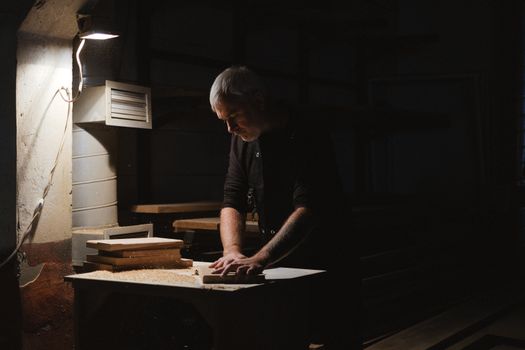
Introduction
Creating your own outdoor furniture can be a rewarding and fulfilling experience. Not only does it allow you to customize pieces to fit your style and needs, but it also provides an opportunity to enhance your woodworking skills. In this article, we will explore the numerous benefits of building your own outdoor furniture, along with common mistakes to avoid and troubleshooting tips to ensure your project goes smoothly.
Benefits of Building Your Own Outdoor Furniture
1. Customization
One of the biggest advantages of building your own outdoor furniture is customization. When you create your own pieces, you can design them to fit your specific space and style preferences. Whether you want a rustic picnic table, a sleek modern bench, or a cozy outdoor lounge chair, the possibilities are endless.
2. Cost Savings
Buying high-quality outdoor furniture can be expensive. By building your own, you can save a significant amount of money, especially if you're able to source materials at a lower cost. Additionally, you have the flexibility to choose materials that fit your budget without sacrificing quality.
3. Quality Control
When you build your own outdoor furniture, you have complete control over the quality of the materials and construction methods used. This means you can ensure that your furniture is durable and built to withstand the elements, offering you peace of mind in your investment.
4. Satisfaction and Accomplishment
There’s a unique sense of accomplishment that comes from completing a woodworking project. Building your own outdoor furniture not only enhances your skills but also provides a tangible result that you can take pride in. Each time you sit on your handmade bench or gather around your custom table, you’ll be reminded of the effort and creativity you put into the project.
5. Sustainability
Building your own outdoor furniture can promote sustainability. By choosing reclaimed wood or eco-friendly materials, you can create beautiful pieces that are also kind to the environment. Additionally, by making your furniture, you contribute to reducing waste and the carbon footprint associated with mass production.
Common Mistakes to Avoid When Building Outdoor Furniture
While the process of building your own outdoor furniture can be rewarding, it’s important to be aware of common pitfalls that can lead to frustration or unsatisfactory results. Here are some mistakes to avoid:
1. Skipping the Planning Phase
One of the most common mistakes is failing to plan adequately before starting your project. Skipping this step can lead to issues with dimensions, materials, and overall design.
- Tip: Spend time sketching your designs and creating a cut list. Consider using resources like Ted Woodworking for detailed plans that include step-by-step instructions and illustrations.
2. Underestimating Material Needs
Another frequent oversight is underestimating the amount of material required for the project. This can lead to delays and additional costs.
- Tip: Always buy a little more material than you think you’ll need. This gives you a buffer for mistakes and allows for adjustments in your design.
3. Choosing the Wrong Wood
Selecting the wrong type of wood can significantly impact the durability and appearance of your furniture. Not all woods are suitable for outdoor use, as some may warp, crack, or decay when exposed to moisture and UV rays.
- Tip: Opt for weather-resistant woods like cedar, redwood, or pressure-treated lumber. If you’re uncertain, do some research or seek advice from local experts.
4. Ignoring Proper Joinery Techniques
Improper joinery can lead to weak and unstable furniture. Many DIY builders overlook the importance of using the right joinery techniques, which can compromise the integrity of the piece.
- Tip: Familiarize yourself with different joinery methods, such as pocket holes, mortise and tenon, or dowel joints, and choose the one that best suits your project.
5. Neglecting Finishing Touches
Failing to apply a proper finish can lead to premature wear and tear of your outdoor furniture. Many builders underestimate the importance of sealing and protecting their pieces from the elements.
- Tip: Use a high-quality outdoor finish that provides UV protection and water resistance. Regular maintenance of your finish will also extend the life of your furniture.
Troubleshooting Tips and Fixes
In the event that you encounter issues during your project, here are some troubleshooting tips to get you back on track:
1. Uneven Surfaces
If you find that your tabletop or seating surface is uneven, it could be due to improper cutting or assembly.
- Fix: Use a belt sander or hand plane to level the surface. Ensure that all legs or supports are of equal height to prevent wobbling.
2. Loose Joints
If joints are coming apart, this can compromise the stability of your furniture.
- Fix: Tighten screws and bolts, and consider adding wood glue to secure loose joints. For added strength, you may need to reinforce the joints with brackets or dowels.
3. Weather Damage
If your furniture shows signs of weather damage despite treatment, it may need more frequent maintenance or a different finish.
- Fix: Sand down the affected areas and reapply the weatherproof finish. Consider switching to a more durable sealant if you continue to experience problems.
Conclusion
Building your own outdoor furniture offers numerous benefits, from customization to cost savings and a sense of accomplishment. By avoiding common mistakes and following troubleshooting tips, you can create beautiful and durable pieces that enhance your outdoor living space. So grab your tools, find some plans, and start building!
FAQ
1. What type of wood is best for outdoor furniture?
Cedar, redwood, and pressure-treated lumber are excellent choices for outdoor furniture due to their natural resistance to moisture and insects.
2. How can I protect my outdoor furniture from the elements?
Applying a high-quality outdoor finish and regularly maintaining it will help protect your furniture from UV rays and moisture.
3. Can I find plans for outdoor furniture projects?
Yes, resources like Ted Woodworking offer a variety of detailed plans for building outdoor furniture, including step-by-step instructions and illustrations.
📚 Related Articles
🔨 Want 16,000+ Woodworking Plans?
Get instant access to step-by-step plans with blueprints and cut lists.
Get Instant Access →